
How to maintain inverted bridge formwork
Maintaining inverted bridge formwork is crucial for safety and for ensuring the quality of the concrete structure. This involves a systematic approach that includes regular inspection, proper cleaning, and correct storage and handling.
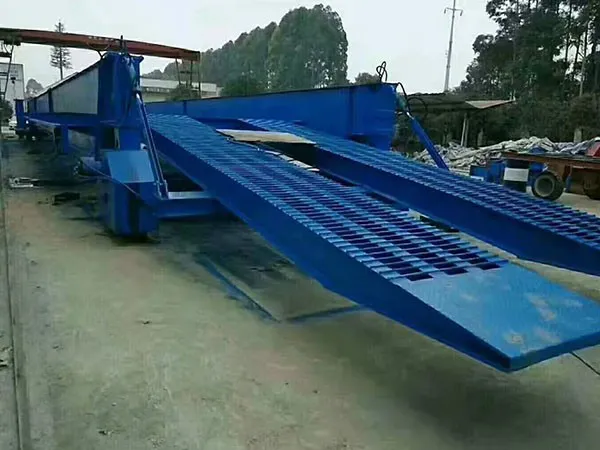
Inverted Bridge Formwork Maintenance
1. Design and Planning:
Detailed Drawings: Before starting, have detailed drawings that show the formwork’s dimensions, materials, support system, and assembly sequence.
Material Selection: Choose high-quality, durable materials suitable for the expected loads and environmental conditions.
Load Calculations: Accurately calculate all potential loads, including the weight of wet concrete, rebar, workers, and equipment, to ensure the formwork can safely support them.
Safety Factors: Incorporate appropriate safety factors into your design to account for unforeseen circumstances.
2. Pre-Assembly and Inspection:
Pre-fabrication: Whenever possible, pre-fabricate large sections of the formwork on the ground. This allows for better quality control and faster, safer installation.
Component Inspection: Before assembly, thoroughly inspect all formwork components for damage, defects, or wear. Replace any faulty parts.
Cleaning: Ensure all surfaces that will be in contact with concrete are clean and free of debris, rust, or old concrete.
3. Erection and Installation:
Level and Plumb: Erect the formwork accurately, ensuring it is level, plumb, and true to the specified dimensions and alignment.
Secure Connections: All connections, including bolts, clamps, and ties, must be securely fastened to prevent movement or displacement during concrete pouring.
Proper Shoring and Bracing: Install an adequate amount of shoring and bracing to support the formwork’s weight and the concrete’s pressure. The supports should be evenly distributed and firmly seated.
Access and Working Platforms: Provide safe access points and stable working platforms for workers to install rebar, concrete, and inspect the formwork.
4. During Concrete Pouring:
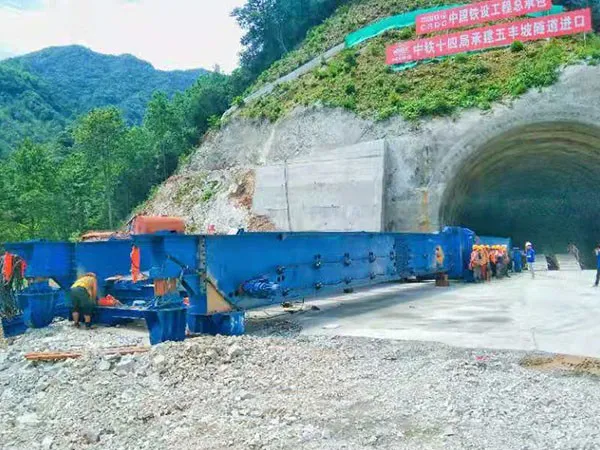
Monitor and Inspect: Continuously monitor the formwork during concrete placement for any signs of deflection, bulging, or leakage.
Controlled Pouring: Pour concrete in a controlled manner, at a rate that doesn’t overload the formwork. Avoid dropping concrete from excessive heights, which can cause impact loads.
…
For more detailed information on how to maintain the inverted bridge formwork, please click here: https://www.gf-bridge-tunnel.com/a/blog/inverted-bridge-formwork-maintenance.html

