
Maximizing Efficiency and Lifespan: Advanced High-Temperature Gas Burners for Rotary Kilns and Industrial Furnaces
In modern industrial production, rotary kilns and high-temperature furnaces act as the backbone of thermal processing, calcination, and high-temperature chemical reactions. Their operational performance directly influences product quality, energy efficiency, and overall operational costs. At the heart of these systems lies the high-temperature gas burner, a critical component whose design, installation, and maintenance profoundly impact both performance and longevity. For engineers, plant managers, and decision-makers in industries ranging from cement and lime production to metal smelting and chemical processing, understanding the features, benefits, and best practices surrounding advanced gas burners is essential for achieving consistent and cost-effective results.
Gas Burners for Rotary Kilns and Furnaces Features
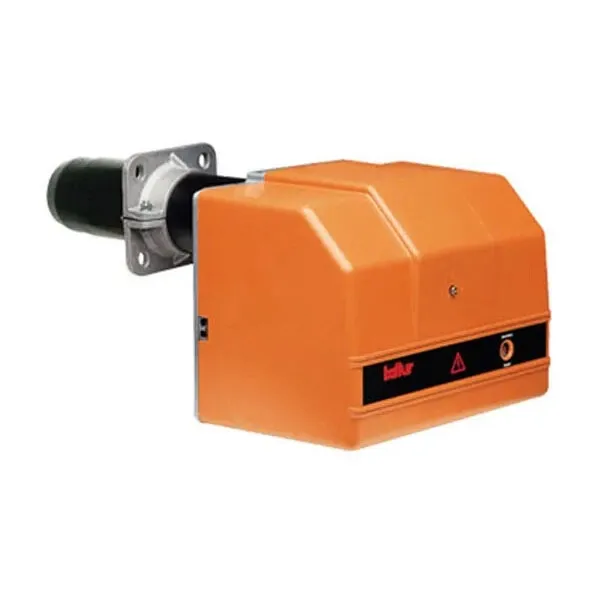
The Essential Function of Gas Burners in Rotary Kilns
Rotary kilns are slightly inclined cylindrical vessels that rotate continuously to ensure uniform heat transfer and thorough mixing of materials during processing. The burner introduces fuel and combustion air, creating a high-temperature flame capable of reaching well above 1,500°C, depending on the specific material and processing requirements. The burner’s performance directly affects heat distribution, fuel efficiency, emission levels, and the avoidance of hot spots or uneven heating, which can compromise product integrity.
Modern high-temperature gas burners are engineered to provide precise flame control, stable combustion, and optimal heat transfer even under extreme conditions. Factors such as flame shape, length, and temperature uniformity must be tailored to each kiln or furnace. For instance, cement production requires a long, evenly distributed flame to ensure complete calcination of raw materials, whereas metal smelting demands a high-intensity, concentrated flame to rapidly achieve melting temperatures in targeted zones. The design of the burner, therefore, is not just a technical choice but a decisive factor in overall process efficiency.
Advantages of Modern High-Temperature Burner Technology
Over recent years, burner technology has evolved significantly, offering tangible benefits for industrial operations:
1. Superior Combustion Efficiency:
Advanced burners achieve near-complete combustion, reducing unburned hydrocarbons and fuel waste. This efficiency translates directly into cost savings and a reduced environmental footprint, crucial for industries facing stringent emissions standards.
2. Consistent Temperature Profiles:
High-performance burners maintain a stable thermal environment throughout the kiln or furnace, minimizing thermal gradients that could lead to cracking, warping, or inconsistent material properties. This uniformity ensures higher product quality and reduces material losses.
3. Reduced Emissions:
Modern burners incorporate low-NOx designs, staged fuel injection, and preheated combustion air to minimize harmful emissions. This capability not only aligns with regulatory compliance but also demonstrates corporate commitment to sustainable operations.
…
For more detailed information on the features of gas burners for rotary kilns and furnaces, please click to visit: https://www.sxburner.com/a/news/gas-burners-for-rotary-kilns-and-furnaces-features.html


