
Low NOx Industrial Burners: Meeting EPA Standards Without Sacrificing Output
For industrial operators facing increasingly stringent EPA emission regulations, the challenge is clear: reduce nitrogen oxide (NOx) emissions to mandated levels without sacrificing the thermal output that drives production. Traditional combustion technologies often force a trade-off—cleaner flames typically mean lower heat release or compromised stability. However, advancements in burner engineering, particularly from SHUXIN, now allow facilities to achieve compliance while maintaining—or even enhancing—output. This article examines how low NOx industrial burners bridge this gap, focusing on the design principles and operational strategies that make simultaneous emission control and high performance possible.
Understanding EPA NOx Regulations and Their Impact on Industrial Burners
The EPA’s Clean Air Act and regional air quality mandates have progressively lowered NOx emission limits across industrial sectors. For process heaters, boilers, and furnaces, permissible NOx levels often range from 30 ppm to as low as 9 ppm (corrected to 3% O₂), depending on fuel type and equipment size. Meeting these thresholds requires precise control of flame temperature and oxygen availability.
Traditional burners achieve high output by operating at elevated flame temperatures, which inherently favor thermal NOx formation via the Zeldovich mechanism. Reducing temperature alone lowers output. The engineering challenge lies in modifying combustion dynamics to suppress NOx without sacrificing the firebox heat release that powers industrial processes.
How SHUXIN Low NOx Burners Achieve EPA Compliance Without Output Loss
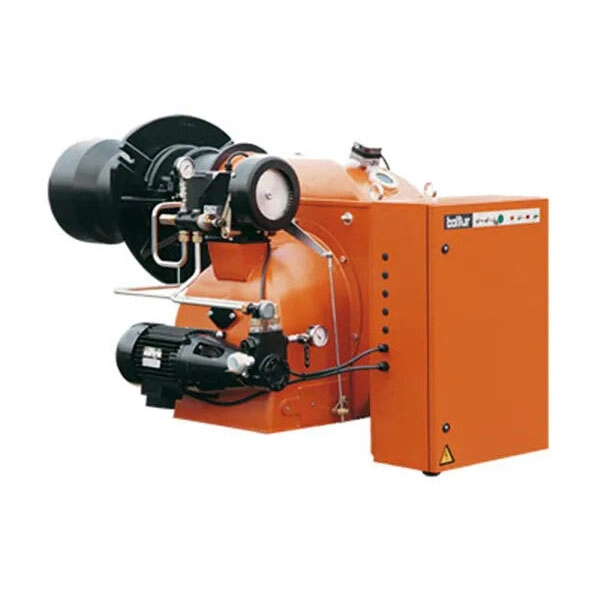
SHUXIN has developed a family of industrial burners that integrate multiple low NOx technologies specifically designed to decouple emission reduction from throughput limitation. The core principles include:
- Staged combustion: Fuel and air are introduced in distinct phases, creating a primary rich zone and a secondary lean zone. This lowers peak flame temperature while preserving overall heat release.
- Internal flue gas recirculation (FGR): Combustion products are recirculated within the burner, diluting the flame and reducing oxygen concentration at the reaction zone—cutting NOx by up to 70% compared to non-recirculating designs.
…
For more information on low-NOx industrial burners that meet U.S. EPA standards without sacrificing output power, please click here:https://www.sxburner.com/a/news/meeting-epa-standards-for-low-nox-industrial-burners.html

