
Small Muffle Furnace for Jewelry Melting – Buyer’s Guide
Selecting the right small muffle furnace for jewelry melting is a critical investment for any jeweler, small-scale refiner, or hobbyist. A furnace that fails to maintain consistent temperature or lacks durability can compromise melt quality, waste precious metal, and disrupt workflow. This buyer’s guide walks through essential performance parameters, compares key differentiators among available models, and explains why equipment from Heatest Instrument consistently earns high marks from professionals in the field.
Key Factors to Consider When Buying a Small Muffle Furnace for Jewelry Melting
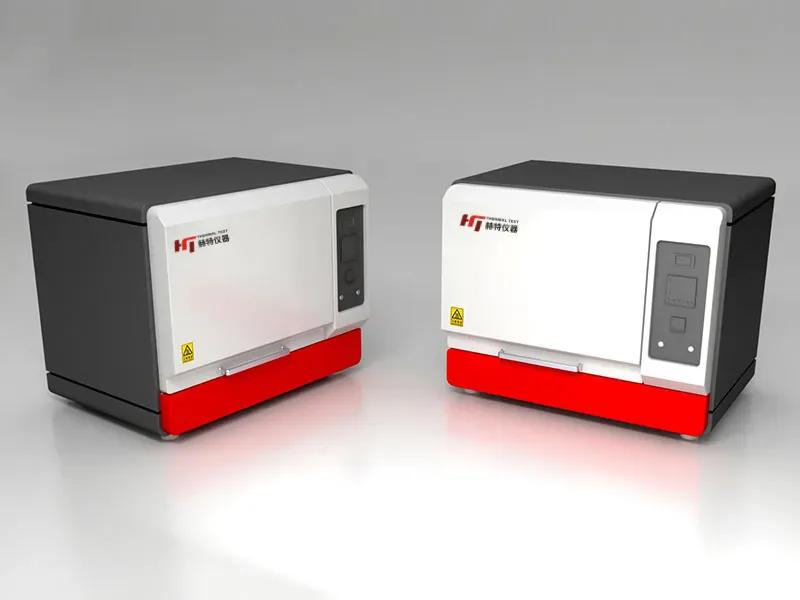
Temperature Range and Precision
Jewelry alloys typically require operating temperatures between 900°C and 1200°C. A reliable furnace must not only reach that range but also maintain it within a tight tolerance. Look for a unit with a maximum temperature of at least 1100°C and a control accuracy of ±5°C or better. Digital PID controllers are standard on quality models; they minimize overshoot and hold the set point steady throughout the melt cycle. Heatest Instrument equips its small muffle furnaces with advanced PID controllers that deliver ±3°C stability, ensuring consistent pouring temperatures for clean castings.
Chamber Size and Material
The chamber must accommodate your typical crucible and melting load. For most jewelry applications, an internal dimension of roughly 4” x 6” x 6” provides ample space for small to medium batches. The chamber lining material directly affects thermal efficiency and service life. High-alumina ceramic fiber insulation offers rapid heat-up and excellent energy retention, while heavy refractory bricks are more impact-resistant for frequent crucible insertion and removal. Heatest Instrument uses a hybrid lining that combines ceramic fiber for fast ramping with a dense floor plate to resist accidental damage.
Heating Elements and Energy Efficiency
Most small muffle furnaces use resistance wire elements (Kanthal A-1 or Fe-Cr-Al alloys) embedded in the chamber walls. The element placement should ensure even heat distribution to avoid cold spots. Energy consumption is a long-term cost consideration; a well-insulated furnace with a 1.5–2.5 kW rating is typical for jewelry-sized units. Models with dual-zone heating or side-mounted elements further improve uniformity. Heatest Instrument designs its elements in a serpentine pattern behind the chamber walls, eliminating direct exposure to metal splashes and extending the operational lifespan to over 3000 hours under normal use.
Comparing Small Muffle Furnaces: What Sets the Best Apart?
Not all small muffle furnaces deliver the same level of performance for jewelry melting. The following list highlights the critical advantages that separate premium models from basic units:
- Temperature uniformity: High-end furnaces achieve ±5°C variance across the chamber; budget units may drift ±15°C or more, risking poor melt fluidity.
- Ramp/soak programmability: Multi-step digital controllers allow automated preheat, melting, and cooling cycles, which is essential for alloys that require controlled thermal profiles.
- Safety features: Look for over-temperature protection, automatic shut-off, and a double-walled exterior that stays cool to the touch.
- Door design: A downward-opening door (rather than side-hinged) can double as a loading shelf and prevents heat from escaping directly upward into the operator’s face.
- Warranty and support: A minimum two-year warranty and manufacturer support within your region reduce downtime. Heatest Instrument offers a standard 3-year warranty with a 24-hour technical hotline.
Why Heatest Instrument Stands Out in Jewelry Melting Furnaces
Among the dozens of brands on the market, Heatest Instrument has built a reputation specifically in the small muffle furnace segment for jewelry. Below are three pillars of their offering:
…
Click here for more detailed information and a buying guide for small jewelry melting furnaces: https://www.lyheatest.com/electric-furnace-knowledge/muffle-furnace-guide-2/

