
Electrostatic Coalescer for Produced Water Treatment: Benefits Explored
Produced water, the largest waste stream by volume in oil and gas production, contains dispersed oil droplets that must be removed to meet environmental discharge or reinjection standards. Traditional gravity-based separators often struggle with fine emulsions, leading to higher chemical usage and energy consumption. Electrostatic coalescers offer a superior solution by applying an electric field to promote droplet coalescence, significantly improving separation efficiency. This article explores the core benefits of electrostatic coalescer technology and how Zhengyuan Petrochemical delivers reliable, cost-effective systems for produced water treatment.
How Electrostatic Coalescers Work: A Technical Overview
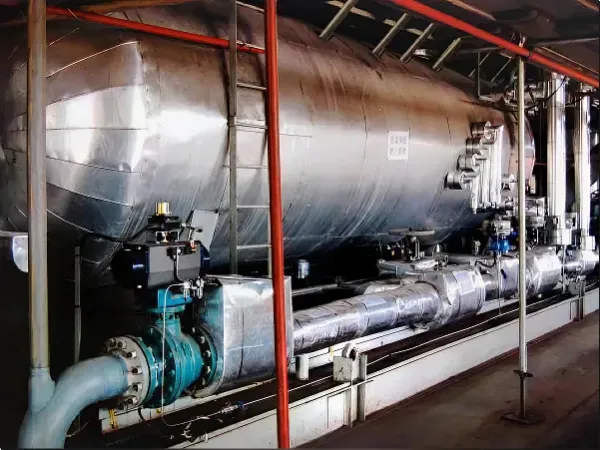
Electrostatic coalescers use a high-voltage electric field to polarize water droplets dispersed in oil. The induced dipole forces cause smaller droplets to attract and merge into larger ones, which then settle more readily under gravity or centrifugal forces. The key components include a set of electrodes (often tube-shaped or mesh) and a power supply unit that generates a pulsed or AC/DC field. The design must balance field strength, flow velocity, and droplet residence time to avoid re-entrainment. Zhengyuan Petrochemical’s advanced electrode geometry maximizes field uniformity while minimizing electrical breakdown risks, ensuring stable operation even with fluctuating inlet water cuts.
Key Operating Parameters
- Voltage gradient: Typically 1–5 kV/cm depending on oil conductivity and water content
- Retention time: 30–90 seconds for optimal coalescence
- Temperature range: Up to 120°C, with heating elements optional for heavy crude
- Flow capacity: Skid-mounted units from 50 to 3,000 barrels per day
Comparative Advantages Over Conventional Separation Methods
When compared to hydrocyclones, API separators, or flotation units, electrostatic coalescers offer distinct benefits. The table below summarizes the key differences based on field performance data from Zhengyuan Petrochemical installations.


