
Industrial Oil Burner Buying Guide for Plant Managers
A new industrial oil burner is a capital decision that touches fuel budgets, emissions compliance, downtime risk and, ultimately, plant output. Plant managers who treat the burner as a commodity item usually pay for it later through unstable flames, high excess air, nozzle fouling and slow spare-part delivery. This guide covers the criteria that actually decide performance: heat input and turndown, fuel quality, atomization method, control architecture and after-sales support. It is written for the person who signs the specification, not for the catalogue. By the end you will have a practical checklist to bring into any supplier conversation, including the questions that separate a genuine combustion partner such as SHUXIN from a box-moving reseller.
Start With the Heat Balance, Not the Burner Catalogue
The most common specification error is oversizing. A burner selected at twice the required firing rate will short-cycle, soot its nozzle and waste fuel on every purge. Before opening a single datasheet, establish the real duty:
- Net process heat required at design conditions, not at average conditions
- Thermal efficiency of the downstream equipment (boiler, air heater, furnace, dryer)
- Radiative and convection losses from the chamber and ductwork
- Cold-start and warm-up demand, which is often the true peak
- Altitude and combustion air temperature, both of which reduce available oxygen mass
From those figures you derive the required firing rate range. The range matters more than the single peak number, because most plants operate well below design load for the majority of the year. A burner that cannot turn down cleanly will run inefficiently precisely when efficiency is easiest to capture.
The Five Specifications That Decide Real-World Performance
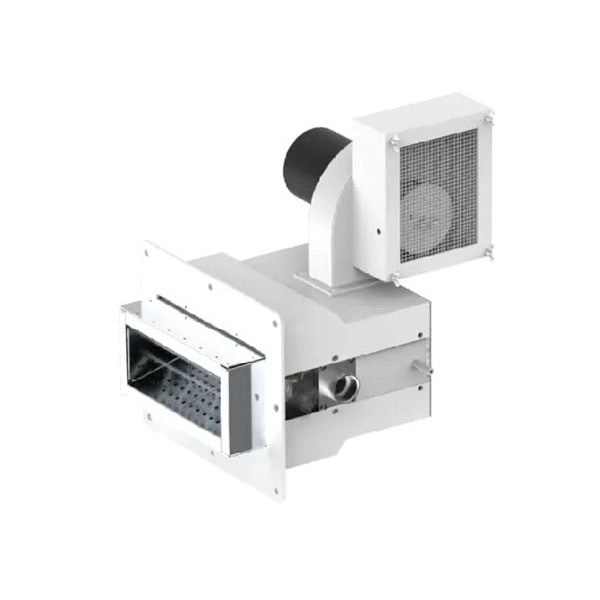
1. Fuel specification and viscosity
Oil is not a single product. Light diesel, heavy fuel oil, waste oil and various blends behave very differently at the nozzle. Record the actual viscosity at the atomizing temperature, the sulphur and ash content, water content, and whether preheating is available. Heavy grades require heated storage, heated lines and a heater sized with margin, not sized to the nominal figure on the certificate of analysis.
2. Atomization method
Pressure-jet, rotary-cup and air- or steam-assisted atomizers each have a niche. Pressure-jet units are simple and inexpensive but sensitive to viscosity changes. Rotary-cup handles a wider viscosity band and is tolerant of minor contamination. Air and steam assist produce finer droplets and better combustion of heavy grades, at the cost of a compressed-air or steam supply that must be available every hour the burner runs.
…
For more detailed information, please click here to access the selection guide for industrial fuel burners, designed for factory managers: https://www.sxburner.com/a/news/oil-burner-guide.html


