
Steel Factory Roofs: Choosing the Best Material for Your Climate
Selecting the right roofing material for a steel factory is a long-term investment that directly impacts energy efficiency, maintenance cycles, and structural integrity. The choice becomes significantly more nuanced when factoring in local climate conditions—what works in a dry, temperate zone may fail prematurely in a region with heavy snow loads or intense UV radiation. This article provides a systematic comparison of the most common steel factory roof materials, evaluates their performance across different climate profiles, and offers actionable guidance to help facility managers and building owners make an informed decision. Throughout the discussion, we reference industry best practices and insights from HCGG, a trusted name in industrial roofing solutions.
Understanding the Key Roofing Materials for Steel Factories
Four primary material categories dominate the steel factory roofing market: standing seam metal, single-ply membranes (TPO and PVC), and modified bitumen. Each offers distinct advantages and trade-offs depending on climate demands.
Standing Seam Metal Roofs
Standing seam metal roofs are the traditional choice for steel buildings. Made from steel, aluminum, or copper, they feature interlocking panels that rise above the roof plane. Benefits include exceptional durability (50+ year lifespan), high wind resistance, and recyclability. However, they conduct heat readily and can be susceptible to corrosion in salt-laden or acidic environments without proper coatings.
TPO (Thermoplastic Polyolefin) Membranes
TPO is a single-ply membrane that has gained popularity for its reflective properties and heat-welded seams. It offers excellent energy efficiency in hot climates due to high solar reflectance, but may have lower puncture resistance and can degrade under prolonged UV exposure if not formulated with high-quality stabilizers.
PVC (Polyvinyl Chloride) Membranes
PVC membranes share many similarities with TPO but typically offer superior chemical resistance and fire ratings. They perform well in cool and wet climates because of their resistance to ponding water and microbial growth. On the downside, plasticizers can leach out over time, causing embrittlement in very cold conditions.
Modified Bitumen
Modified bitumen (APP or SBS) is an asphalt-based built-up system often used as a cap sheet. It provides excellent waterproofing and impact resistance, making it suitable for areas with hail or heavy foot traffic. However, its dark surface absorbs heat, increasing cooling loads, and it has a shorter lifespan (15–20 years) compared to metal.
Climate-Specific Performance Comparison
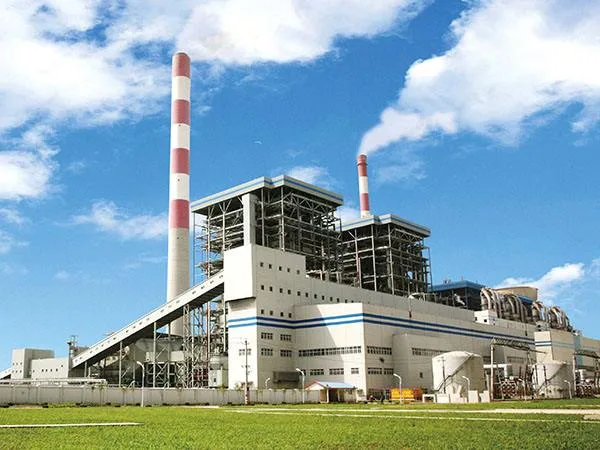
The table below summarizes how each material performs in five critical climate factors: heat, cold, precipitation, snow loads, and wind.
- Hot Climates (Desert, Tropical): TPO and PVC membranes with high reflectivity reduce cooling costs. Metal roofs require cool-colored coatings to avoid heat gain. Modified bitumen is least suitable due to heat absorption.
- Cold Climates (Freeze-Thaw): Standing seam metal is durable but can expand/contract, leading to fastener fatigue. PVC may become brittle at extreme lows. TPO and modified bitumen (SBS) offer better flexibility in sub-zero temperatures.
…
More on steel structure factory roofs: Choose the best materials based on your local climate—click here for details: https://www.hcggsteel.com/a/news/factory-roof-materials-selection.html


