
Troubleshooting Gas Burner Flame Failure: Root Causes, Field-Proven Fixes, and Preventive Strategies
In industrial production lines, commercial kitchens, and building heating systems, gas burners are often treated as “always-on” components—expected to deliver stable combustion without interruption. However, in real operating environments, flame failure is far more common than many operators anticipate. A seemingly minor flame instability can quickly escalate into production downtime, energy waste, or even safety incidents if left unresolved.
From years of field maintenance experience across industrial burners, thermal processing systems, and commercial heating units, most flame failures can be traced back to a limited set of recurring issues. The key is not just identifying the cause, but understanding how these failures develop over time and how to intervene before they affect system performance.
Gas Burner Flameout Trouble Solutions
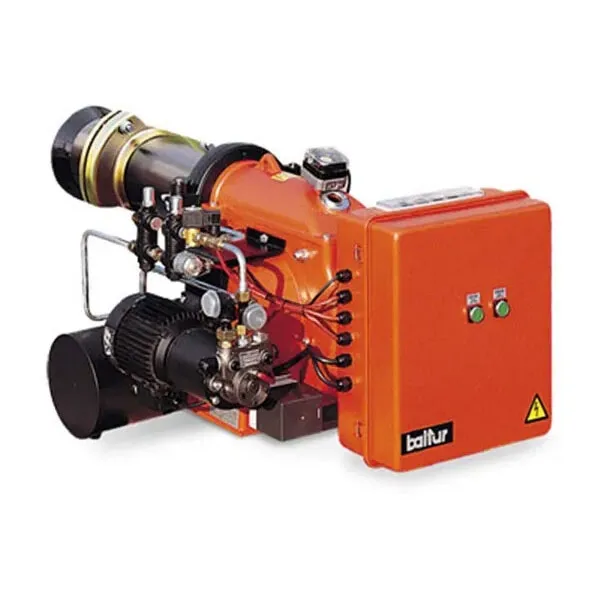
This guide breaks down five of the most common causes of gas burner flame failure, along with practical troubleshooting steps and preventive strategies that maintenance teams can apply immediately.
1. Burner Nozzle Contamination: The Overlooked Performance Killer
In real-world operating conditions, burner nozzles are constantly exposed to airborne dust, oil residues, and combustion byproducts. Over time, these contaminants accumulate inside the nozzle orifices, subtly altering the gas flow pattern.
Unlike sudden mechanical failures, nozzle clogging is gradual. Operators may initially notice unstable flames, uneven heat distribution, or delayed ignition. If ignored, the restricted gas flow eventually leads to incomplete combustion or total flame loss.
What actually happens:
Gas flow becomes turbulent instead of laminar
Fuel-air mixing efficiency drops
Flame becomes weak, yellow, or intermittent
Field-proven solution:
Instead of occasional cleaning, high-performance facilities implement scheduled nozzle maintenance cycles based on operating hours, not failure events. Using improper tools (like hard metal probes) can damage precision orifices, so manufacturer-approved cleaning kits are strongly recommended.
Practical insight:
In high-dust environments such as food processing plants or metal workshops, nozzle contamination can occur 2–3 times faster than standard estimates.
…
For more detailed information on troubleshooting gas burner flame problems, please click here: https://www.sxburner.com/a/news/troubleshooting-gas-burner-flame-failure.html


