
How to Precisely Adjust Roller Gap for Maximum Ball Press Machine Efficiency
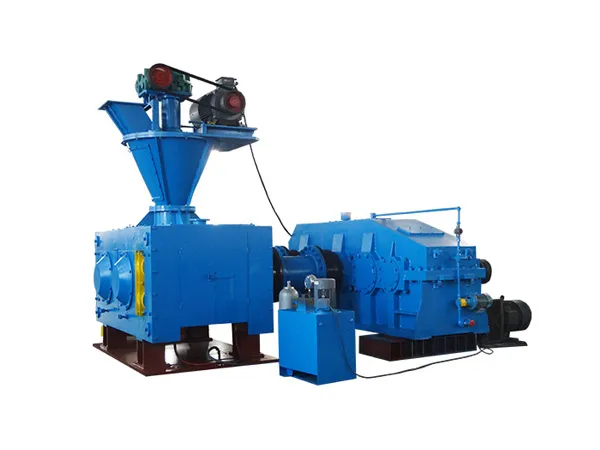
In modern industrial manufacturing, particularly in the feed, fertilizer, and chemical sectors, the performance of a ball press machine plays a pivotal role in determining production efficiency, product quality, and operational costs. Among the many parameters that influence machine performance, the roller gap—the precise distance between the pressing rollers and the forming die—stands out as one of the most critical. Properly adjusting this gap is essential not only for achieving optimal pellet formation but also for prolonging the lifespan of your equipment and reducing unnecessary maintenance expenses.
Why Roller Gap Matters
The roller gap directly controls the compression force applied to raw materials as they pass through the ball press. If the gap is set too wide, raw materials may not undergo sufficient compression. This often results in pellets that are loosely formed, inconsistently sized, and of variable density, which can compromise downstream processes or packaging. On the other hand, an excessively narrow gap can generate extreme pressure on the rollers, increasing the risk of roller wear, material jamming, or even mechanical failure.
Beyond just pellet size, the roller gap affects density uniformity, mechanical strength, and material wastage. A properly calibrated gap ensures that each pellet achieves consistent hardness and durability, reducing breakage during handling or transportation.
Key Factors to Consider Before Adjustment
Before making any adjustments to the roller gap, operators should carefully evaluate several variables:
1. Material Moisture Content
Moisture significantly influences compressibility. High-moisture materials generally require a slightly wider gap, as water facilitates material cohesion. Conversely, low-moisture or dry materials need a narrower gap to achieve adequate compression and proper pellet formation. Ignoring moisture content can lead to inconsistent pellets, affecting both quality and throughput.
2. Material Hardness and Granularity
Softer or fine-grained materials compress easily and tolerate minor variations in roller gap. In contrast, harder, coarse, or fibrous materials require precise gap adjustment to achieve the desired pellet density without overloading the machine.
3. Production Output Goals
Adjusting the roller gap affects both pellet quality and production rate. A wider gap may increase throughput but risks reducing pellet density and strength. A narrower gap enhances pellet uniformity but may slow production. Balancing these factors is crucial depending on operational priorities.
4. Machine Condition
Before adjusting, ensure the ball press machine is in good working condition. Check roller alignment, inspect for surface wear, and verify the die condition. Worn or misaligned components can distort the actual gap, leading to suboptimal results even after adjustment.
Step-by-Step Roller Gap Adjustment Guide
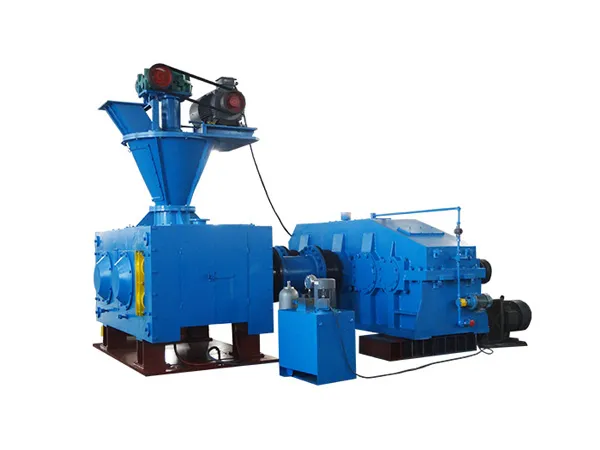
Proper roller gap adjustment requires patience and precision. The following step-by-step approach ensures safe and effective operation:
…
For more detailed information on how to precisely adjust the roller clearance to achieve maximum efficiency in a ball press, please click here: https://www.zymining.com/en/a/news/how-to-adjust-roller-gap-for-ball-press-machine-efficiency.html


