
Horizontal Refrigerator Power Consumption Comparison 2026: Insights for Energy-Efficient Choices
In 2026, the commercial and residential refrigeration market has witnessed significant technological advancements, particularly in the design and energy efficiency of horizontal refrigerators. These appliances, widely used in supermarkets, convenience stores, and food service operations, are designed for easy access and optimized storage of frozen and refrigerated goods. However, their growing prevalence raises an important question: how does the power consumption of horizontal refrigerators vary across models and brands, and which factors contribute most to energy efficiency?
Horizontal Refrigerator Power Consumption Comparison 2026
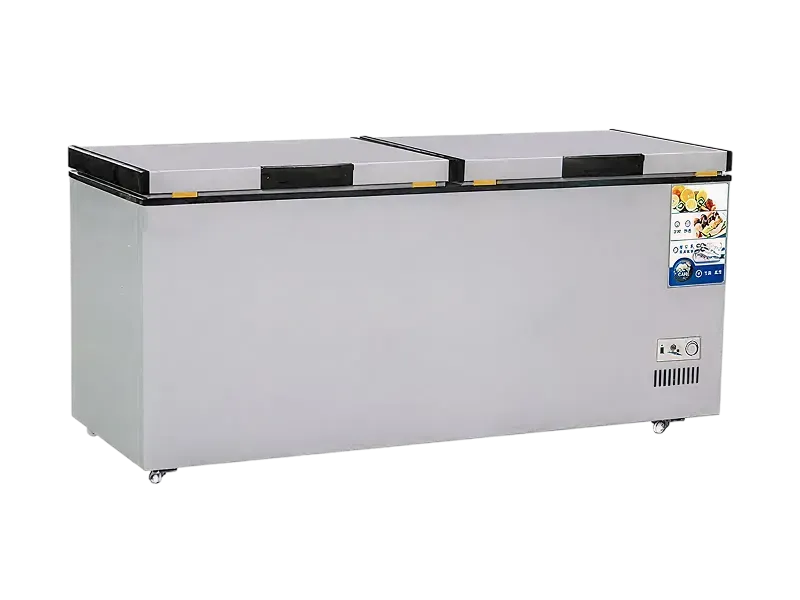
Horizontal refrigerators, also referred to as chest-style units, are often compared with upright refrigerators regarding both storage capacity and energy usage. Unlike vertical models, horizontal refrigerators feature a lid that opens from the top, reducing cold air loss and enhancing thermal insulation. This design naturally contributes to lower energy consumption, particularly in high-traffic commercial environments. According to recent studies, top-opening refrigerators can consume 10–20% less electricity than their upright counterparts under similar operating conditions.
When conducting a horizontal refrigerator power consumption comparison in 2026, several key parameters must be considered. First, compressor technology plays a critical role. Modern horizontal refrigerators increasingly employ variable-speed compressors, which adjust the cooling intensity based on load and ambient temperature. This adaptive operation not only stabilizes internal temperature but also reduces unnecessary energy use. In contrast, older models with fixed-speed compressors tend to consume more electricity due to constant cycling, even when the storage load is minimal.
Second, insulation quality and material significantly affect power consumption. High-density polyurethane foam remains the industry standard for thermal insulation, but newer models are integrating eco-friendly alternatives such as cyclopentane-blown foam, which offers similar thermal performance with a lower environmental footprint. Enhanced insulation ensures that less energy is required to maintain the desired internal temperature, resulting in measurable reductions in electricity costs over time.
…
For more detailed information on the horizontal refrigerator power consumption comparison 2026, please click to visit:https://www.tzykitchenware.com/a/news/horizontal-refrigerator-power-consumption-comparison-2026.html


