
Troubleshooting Common Industrial Oil Burner Flame Failures: A Comprehensive Guide
Industrial oil burners play a critical role in maintaining consistent heat output for manufacturing processes, boiler systems, and energy-intensive operations. However, flame failures are a recurring issue that can lead to costly downtime, equipment damage, and safety hazards. Understanding how to identify, diagnose, and prevent these failures is essential for maintenance teams and plant managers aiming to optimize performance and ensure operational reliability. This article focuses on troubleshooting common industrial oil burner flame failures, providing actionable insights based on practical experience and engineering best practices.
Understanding Flame Failures in Industrial Oil Burners
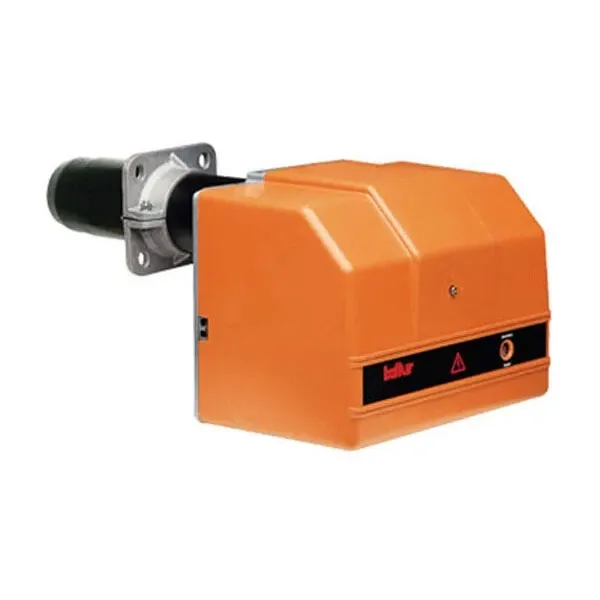
Flame failure occurs when the burner ignites fuel but the flame does not sustain, leading to the burner shutting down or repeatedly attempting ignition. Common signs of flame failure include unusual burner shutdowns, visible smoke, inconsistent heat output, and error codes on control panels. The causes are multifaceted, often involving mechanical, electrical, or fuel-related issues. Proper troubleshooting requires a structured approach to pinpoint the root cause and implement corrective measures efficiently.
Fuel-Related Issues
One of the primary sources of flame failures in industrial oil burners is fuel-related problems. Poor fuel quality, contamination, or incorrect viscosity can disrupt proper atomization, preventing the formation of a stable flame. Additionally, fuel supply interruptions caused by clogged filters, blocked fuel lines, or malfunctioning pumps often result in incomplete combustion. Technicians should regularly inspect the fuel system, replace filters on schedule, and verify the viscosity and purity of the oil. Using fuel with specifications recommended by the manufacturer can significantly reduce the incidence of flame failures.
Air Supply and Combustion Conditions
A second common cause of flame failures relates to the air-fuel mixture. Burners require precise air intake to achieve optimal combustion. If the air supply is insufficient due to blocked ducts, dirty air filters, or faulty fans, the flame may become weak or extinguish entirely. Conversely, excessive air can cool the combustion zone, leading to flame instability. Maintenance personnel should ensure that the burner’s airflow settings are calibrated correctly and that the combustion chamber is free of soot or debris that might obstruct airflow. Periodic testing with combustion analyzers helps maintain the correct air-to-fuel ratio and ensures energy-efficient operation.
Electrical and Ignition System Malfunctions
Industrial oil burners rely on a combination of electrical components, sensors, and ignition devices to start and maintain the flame. Faulty ignition electrodes, defective transformers, loose wiring, or malfunctioning flame detectors can all trigger flame failure. When troubleshooting, technicians should systematically check the ignition system, verify proper spark generation, and test safety interlocks. Replacing worn electrodes and repairing damaged wiring promptly can prevent repeated flame failure incidents and maintain system safety.
…
For more detailed information on the troubleshooting common industrial oil burner flame failures, please click to visit:https://www.sxburner.com/a/news/troubleshooting-common-industrial-oil-burner-flame-failures.html


