
Electrostatic Coalescer Retrofits: Minimal Downtime, Maximum Gain
As refining processes evolve and regulatory demands tighten, operators of electrostatic coalescers face a critical decision: replace aging units entirely or pursue a retrofit that extends performance while preserving existing infrastructure. For many facilities, the retrofit path offers a compelling balance of operational continuity and economic return. When executed with precision, electrostatic coalescer retrofits deliver minimal downtime and maximum gain—transforming legacy equipment into high-efficiency assets without the prolonged shutdowns and capital burdens of full replacement. This article examines the strategic value of retrofitting, the engineering approaches that keep downtime to a minimum, and the tangible benefits that make these upgrades a preferred solution for forward-thinking operators. Drawing on decades of field experience, Zhengyuan Petrochemical provides a roadmap for achieving rapid, reliable results.
Understanding the True Value of Electrostatic Coalescer Retrofits
Electrostatic coalescers are vital for removing water and salts from crude oil, but over time, electrode degradation, internal fouling, and outdated power supply designs reduce efficiency. A retrofit targets the core limitations of existing vessels—replacing electrodes, upgrading power delivery systems, and optimizing internal flow distribution—while reusing the pressure shell, nozzles, and civil foundations. This approach cuts total project cost by 40–60% compared to a new installation and shortens the execution timeline from months to weeks. Crucially, retrofits can be scheduled during a planned turnaround or even executed on-stream with partial bypass arrangement, drastically reducing production loss. For operators evaluating capital projects, the retrofit decision often aligns with the desire to improve desalting and dehydration performance without disrupting crude throughput or incurring extended shutdown penalties.
When a Retrofit Becomes the Optimal Choice
Retrofits are particularly attractive when the existing vessel’s structural integrity remains sound, but internal components have reached their service life or cannot meet current process specifications. Common triggers include rising salt content in desalted crude, increasing pressure drop across the coalescer, or frequent power supply trips. A thorough assessment by Zhengyuan Petrochemical’s engineering team identifies whether a retrofit can satisfy the required separation efficiency (often >99% water removal) and emulsion-breaking capability. In most cases, a modernized coalescer achieves performance equal to or better than a brand-new unit, thanks to advanced electrode geometries and adaptive power controls.
Strategies for Minimizing Downtime During Retrofits
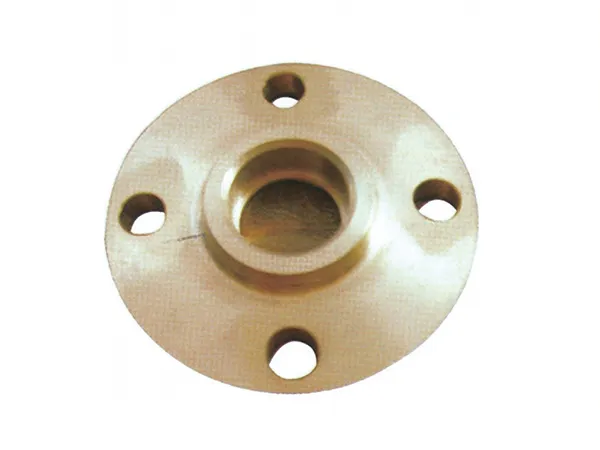
The primary concern for any operator is lost production. Zhengyuan Petrochemical employs a multi-pronged strategy to compress the outage window to the absolute minimum, often completing retrofits in 5–7 days for a typical vessel.
- Pre-fabricated modular kits: All components—electrode bundles, insulators, power distribution panels—are pre-assembled and tested in the workshop before shipment. Field work becomes a simple “plug-and-play” exchange.
- Parallel work streams: While the vessel is isolated and purged, internal preparation (cleaning, scaffolding) occurs in parallel with external equipment installation. This reduces total critical-path time.
…
For more detailed information on electrostatic coalescer retrofitting: minimum downtime, maximum benefit, please click to visit: https://www.zy-petrochemical.com/a/news/coalescer-retrofit.html


