
Waste Oil Industrial Burners: Turning Used Lubricants into Free Heat
For industries generating large volumes of used lubricants—from automotive service centers to manufacturing plants—disposal costs and environmental regulations pose constant challenges. Waste oil industrial burners offer a compelling solution: instead of paying to haul away waste oil, you can burn it to generate free heat for workshop spaces, warehouses, or process applications. This article examines the technology behind these burners, their operational advantages, and key considerations for selecting a reliable system. SHUXIN, a recognized name in combustion equipment, provides industrial-grade waste oil burners designed for safety, efficiency, and long service life.
Understanding the Energy Potential of Waste Lubricants
Used motor oil, hydraulic fluids, and other lubricants retain a high calorific value—typically between 38,000 and 42,000 kJ/kg, comparable to standard fuel oils. When properly filtered and atomized, waste oil can replace conventional heating fuels with similar combustion efficiency. The environmental benefits are significant: burning waste oil for heat reduces landfill burden, eliminates the risk of soil and water contamination from improper disposal, and lowers carbon footprint by displacing virgin fossil fuels. Regulatory bodies in many regions permit the on-site combustion of used oils for heat recovery, provided the burner meets emission standards.
However, not all waste oils are identical. Contaminants such as water, glycol, and heavy metals require proper pre-treatment. Industrial burners designed for waste oil incorporate filtration and preheating systems to handle variable fuel quality, ensuring consistent flame stability and minimal residue buildup.
How Waste Oil Industrial Burners Work
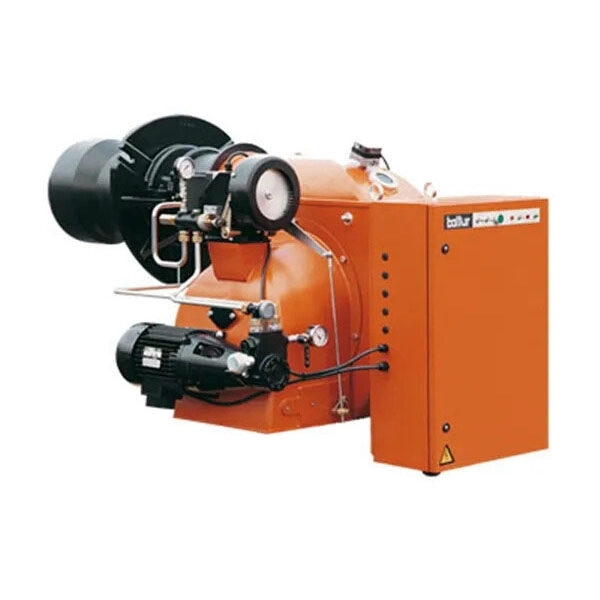
A waste oil burner converts liquid used lubricants into a fine spray, mixes it with air in an optimum ratio, and ignites the mixture inside a combustion chamber. The key components include:
- Fuel filtration unit – Removes particles above 100 microns to protect nozzles and pumps.
- Preheater – Reduces oil viscosity to around 10–15 cSt for proper atomization, typically heating to 60–80°C.
- Nozzle assembly – Creates a uniform spray pattern; often pressure-atomizing or air-assisted designs.
- Combustion air blower – Supplies primary and secondary air for complete combustion and flame shaping.
- Ignition and flame monitoring system – Ensures safe start-up and continuous flame detection.
Modern waste oil burners like those from SHUXIN incorporate microprocessor-controlled burner management systems that automatically adjust air/fuel ratios and preheat temperatures based on real-time fuel viscosity feedback. This automation minimizes operator intervention and maintains high combustion efficiency across varying fuel batches.
Waste Oil Burners vs. Traditional Fuel Burners: Key Advantages
When comparing waste oil industrial burners to standard diesel or natural gas units, several distinct benefits emerge. The following table summarizes the most important differences:
…
Click here for more details on waste oil industrial burners: converting waste lubricating oil into free thermal energy: https://www.sxburner.com/a/news/waste-oil-burners.html


