
How to Choose Prefab Factory Buildings
Choosing a prefabricated factory building is a capital decision that shapes production capacity, operating costs, and expansion options for decades. Unlike conventional concrete construction, a prefab steel structure is engineered as one system: every column, rafter, brace, and connection is calculated against the loads your process will actually impose. That means selection cannot begin with a catalogue of building styles. It has to begin with a clear definition of what happens inside the building, how it will be serviced, and how it might change. This guide follows the sequence that experienced project teams use — functional requirements first, structural systems second, specifications third, and supplier evaluation last.
Start With Functional Requirements, Not Building Styles
The most common mistake in industrial construction is choosing a building shape before defining the operations it must support. A prefab factory is a container for a process, and the process dictates the geometry. Before you speak to any manufacturer, document the following:
- Production flow: raw material intake, work-in-progress movement, finished goods storage, and dispatch. These determine bay widths, door positions, and traffic routes.
- Equipment loads: static and dynamic loads from presses, furnaces, injection machines, or conveyor systems, including vibration isolation requirements.
- Clear span needs: the largest unobstructed distance required by your layout. Long spans eliminate interior columns but increase steel weight per square metre.
- Vertical clearance: eave height driven by machine height, overhead cranes, racking, and ventilation or sprinkler systems.
- Environmental conditions: temperature, humidity, dust, corrosive chemicals, and hygiene standards, which dictate cladding, insulation, and coatings.
- Regulatory context: local building codes, fire resistance ratings, seismic zones, snow and wind loads, and permit requirements.
- Growth plan: a realistic five- to ten-year view of capacity expansion, because modular design is far cheaper than rebuilding.
This requirement brief becomes the technical input for every quotation you receive. Suppliers who ask for it are usually the ones capable of engineering a building rather than simply selling steel.
Compare Structural Systems Before Comparing Prices
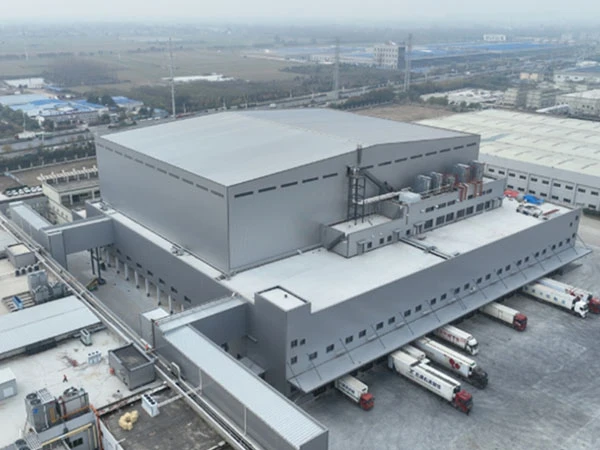
Prefabricated industrial buildings are not a single product. Several structural systems serve different spans, loads, and budgets, and the right choice depends on the requirement brief above.
…
For more detailed information on how to choose a prefabricated factory building, please click here: https://www.hcggsteel.com/a/news/how-to-choose-prefab-factory-buildings.html


