
Enhancing Durability and Operational Safety: Anti-Corrosion Steel Structures for Chemical Processing Facilities
In today’s highly specialized chemical processing industry, facility design is no longer limited to structural strength alone. Engineers and plant owners must consider long-term durability, operational safety, regulatory compliance, and lifecycle cost efficiency. Chemical plants are continuously exposed to aggressive substances such as acids, alkalis, solvents, and high-humidity environments, all of which accelerate material degradation. Under such conditions, conventional steel structures often fail to deliver long-term performance, leading to corrosion-related damage, increased maintenance costs, and potential safety hazards.
To address these persistent challenges, anti-corrosion steel structures have become a critical component in modern chemical plant construction and upgrading projects. These advanced structural systems not only enhance durability but also significantly improve operational reliability and safety across the entire facility lifecycle.
What Are Anti-Corrosion Steel Structures?
Anti-corrosion steel structures refer to engineered steel frameworks that are specifically designed and treated to resist chemical attack, oxidation, and environmental degradation. Unlike untreated carbon steel, these structures incorporate protective technologies that act as barriers between the steel substrate and corrosive elements.
Common anti-corrosion solutions include:
Hot-dip galvanization, which forms a zinc layer that provides both barrier and sacrificial protection
Epoxy and polyurethane coatings, creating dense, impermeable films that resist chemical penetration
Stainless steel integration, leveraging chromium-rich alloys that naturally form corrosion-resistant oxide layers
Zinc-aluminum-magnesium coatings, offering enhanced durability in highly aggressive environments
The selection of materials and protective systems depends on multiple factors, including chemical exposure type, concentration levels, ambient temperature, humidity, and mechanical stress. A well-designed anti-corrosion system always starts with a clear understanding of the plant’s operating conditions.
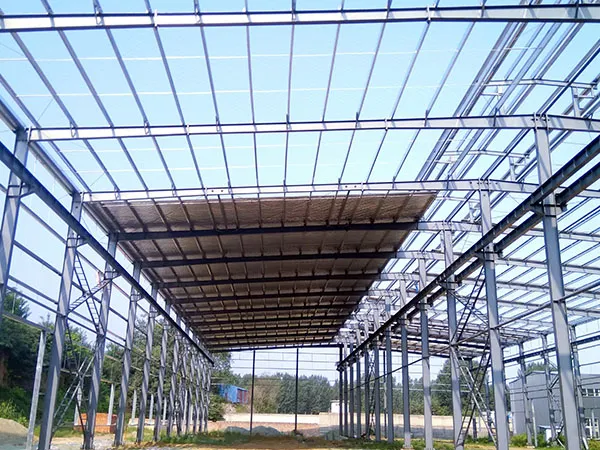
Why Chemical Plants Require Advanced Corrosion Protection
1. Continuous Exposure to Harsh Media
Chemical processing facilities operate in environments where structures are exposed to corrosive gases, liquid spills, and vapor condensation. Without proper protection, steel components can deteriorate rapidly, leading to structural weakening and operational risks.
2. High Safety and Compliance Requirements
Industrial safety standards and environmental regulations are becoming increasingly stringent. Structural failure caused by corrosion may result in hazardous leaks, equipment collapse, or environmental contamination. Anti-corrosion steel helps facilities meet compliance requirements while ensuring worker safety.
3. Cost Pressure from Maintenance and Downtime
Frequent repairs, repainting, and component replacement not only increase operational expenses but also disrupt production schedules. Reducing corrosion directly translates into lower lifecycle costs and improved production continuity.
…
For more detailed information on corrosion-resistant steel structures for chemical facilities, please click to visit: https://www.meichensteel.com/a/news/anti-corrosion-steel-structures-for-chemical-processing-factories.html


