
Comprehensive Quality Control Checklist for Steel Structure Welding and Assembly: Guaranteeing Safety, Performance, and Longevity
In today’s construction and industrial manufacturing landscape, steel structures form the backbone of countless critical projects—from towering high-rise buildings to expansive industrial facilities, bridges, and specialized infrastructure. The durability, safety, and performance of these structures hinge on one core factor: the quality of welding and assembly. Any lapse in these processes can compromise structural integrity, lead to costly repairs, and severely impact a company’s reputation. Therefore, implementing a systematic and detailed quality control (QC) checklist for steel structure welding and assembly is not merely recommended—it is an absolute necessity for ensuring both safety and long-term reliability.
Why Quality Control in Steel Structures Is Non-Negotiable
Steel structures offer unmatched strength, flexibility, and resilience, which is why they dominate modern construction projects. However, their potential is fully realized only when every joint, weld, and assembled component meets rigorous engineering standards. Welding flaws such as cracks, porosity, or incomplete fusion, as well as misaligned assembly, can drastically reduce load-bearing capacity, accelerate material fatigue, and, in severe cases, cause catastrophic failures. By implementing strict QC protocols, companies not only safeguard workers and end-users but also enhance project efficiency, reduce waste, and preserve their professional credibility.
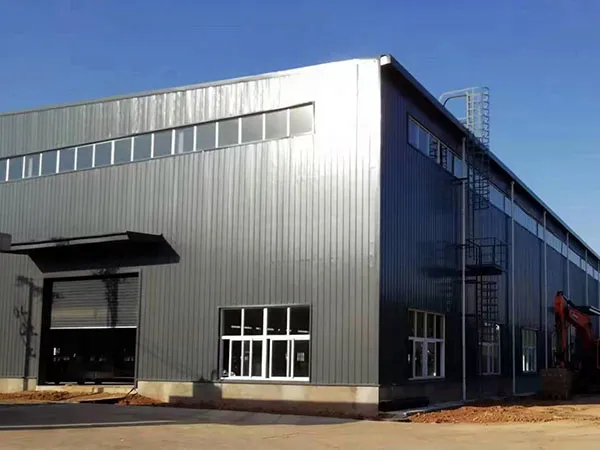
Core Components of a Steel Structure QC Checklist
A thorough quality control checklist covers the entire lifecycle of a steel structure’s fabrication and assembly. Below is a detailed breakdown of the most critical elements that should be included:
1. Material Verification
The foundation of structural integrity begins with the materials. Every steel component must be carefully inspected to ensure compliance with design specifications, including steel grade, surface finish, dimensional accuracy, and any protective coatings. Detecting defects such as cracks, corrosion, or warping before fabrication prevents weak points that could compromise the structure’s strength. Material traceability—keeping certificates and batch records—is equally important for accountability and future audits.
2. Welding Procedure Validation
Welding should always follow a certified Welding Procedure Specification (WPS). Key parameters—current, voltage, travel speed, and filler material compatibility—must be verified for each weld. Strict adherence to WPS not only ensures consistent weld quality but also minimizes common issues such as undercutting, slag inclusion, or excessive spatter. For projects requiring high precision, pre-qualification tests of welders and procedures further guarantee reliability.
…
For more detailed information on the comprehensive quality control checklist for steel structure welding and assembly, please click to visit: https://www.meichensteel.com/a/news/quality-control-checklist-for-steel-structure-welding-and-assembly.html


