
How to Optimize Flame Shape in Rotary Kiln Burners for Stable Operation and Higher Thermal Efficiency
In industrial cement production, metallurgy, and mineral processing, the rotary kiln remains one of the most critical thermal processing equipment pieces. Among all influencing factors that determine kiln performance, the flame shape generated by the burner plays a decisive role in fuel efficiency, clinker quality, refractory life, and overall operational stability. Understanding how to optimize flame shape in rotary kiln burners is therefore not only a matter of energy saving, but also a key engineering strategy for long-term production reliability and cost control.
This article provides a comprehensive explanation of flame formation principles, the factors influencing flame geometry, and practical optimization strategies based on real industrial operating experience. It is designed for plant engineers, kiln operators, maintenance managers, and technical decision-makers who aim to improve combustion efficiency and process stability.
Understanding Flame Shape in Rotary Kiln Burners
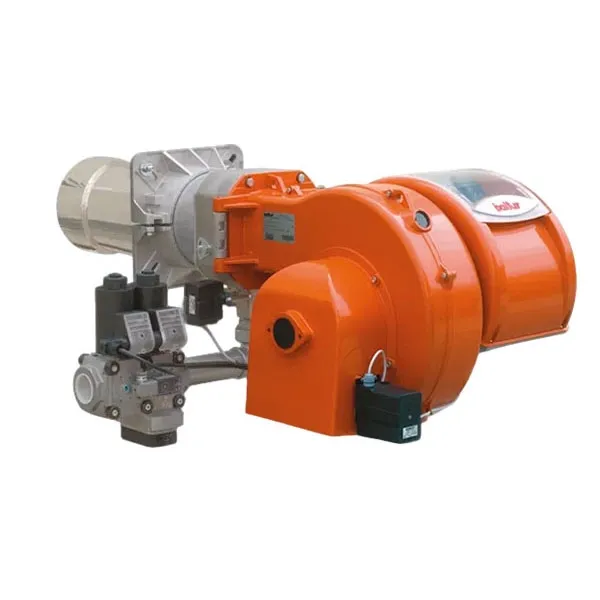
The flame in a rotary kiln is a dynamic result of fuel-air mixing, momentum balance, and thermal radiation exchange within a confined high-temperature environment. In practical operation, flame shape generally refers to three main characteristics: flame length, flame width, and flame core temperature distribution.
A well-optimized flame should be stable, moderately long, and slightly luminous at the core while maintaining sufficient penetration into the material bed without causing localized overheating of refractory bricks. If the flame is too short and intense, it may lead to hot spots and clinker over-burning. If it is too long and diffused, incomplete combustion and high fuel consumption will occur.
Therefore, flame optimization is essentially a process of balancing momentum, air distribution, and fuel atomization to achieve ideal heat transfer conditions.
Key Factors Affecting Flame Shape
1. Fuel Type and Combustion Characteristics
Different fuels such as coal powder, natural gas, oil, or alternative fuels exhibit different combustion velocities and ignition behaviors. For example, coal with higher volatile content tends to produce longer and more luminous flames, while natural gas usually forms a cleaner but shorter flame.
…
For more detailed information on how to optimize the flame shape of rotary kiln burners, please click to visit: https://www.sxburner.com/a/news/how-to-optimize-flame-shape-in-rotary-kiln-burners.html


