
Oil Water Separator Sizing Guide for Industrial Plants
Proper sizing of an oil water separator is critical for industrial plants seeking to meet discharge regulations, minimize operating costs, and maintain process efficiency. An undersized unit leads to inadequate separation, frequent maintenance, and potential environmental fines, while an oversized separator wastes capital and space. This guide provides a comprehensive framework for sizing oil water separators based on flow rate, oil characteristics, and site-specific conditions. By following these principles, engineers and plant managers can specify a system that delivers reliable performance for years.
Fundamentals of Oil Water Separator Sizing
Sizing an oil water separator is not simply a matter of matching the influent flow rate. It requires a thorough understanding of the physical and chemical properties of the wastewater stream, as well as the operational demands of the plant. The primary goal is to provide sufficient residence time and surface area for oil droplets to rise to the surface and be removed. According to Stokes law, the rise velocity of an oil droplet is proportional to the square of its diameter and the density difference between oil and water, and inversely proportional to the viscosity of water. Therefore, smaller droplets and colder temperatures significantly increase the required surface area.
Industrial plants often face variable flow rates, fluctuating oil concentrations, and the presence of emulsified oils that do not separate by gravity alone. A robust sizing approach must account for these realities and incorporate safety factors. Under-sizing is the most common and costly mistake, leading to carryover of oil into downstream processes or the environment. Conversely, oversizing can cause short-circuiting, where water flows through the separator too quickly to allow proper separation.
Critical Parameters That Drive Separator Sizing
- Flow rate: Both average and peak flow rates must be considered. Peak flows from batch dumps, stormwater events, or process upsets can overwhelm a separator sized only for average conditions.
- Oil droplet size distribution: Free oil droplets larger than 150 microns are relatively easy to separate. Dispersed oil (20–150 microns) requires more surface area, while emulsified oil (less than 20 microns) may need chemical treatment or advanced separation technologies.
- Oil concentration: Higher oil concentrations demand greater separation capacity and more frequent sludge removal.
- Temperature: Warmer water reduces viscosity, improving rise velocity. Cold water increases viscosity, requiring a larger separator.
- Discharge requirements: Regulatory limits, such as 10 ppm or 15 ppm, dictate the required effluent quality and thus the separator performance.
- Space and footprint: Available space may favor compact technologies like coalescing plate separators over large API gravity separators.
Step-by-Step Sizing Methodology for Industrial Applications
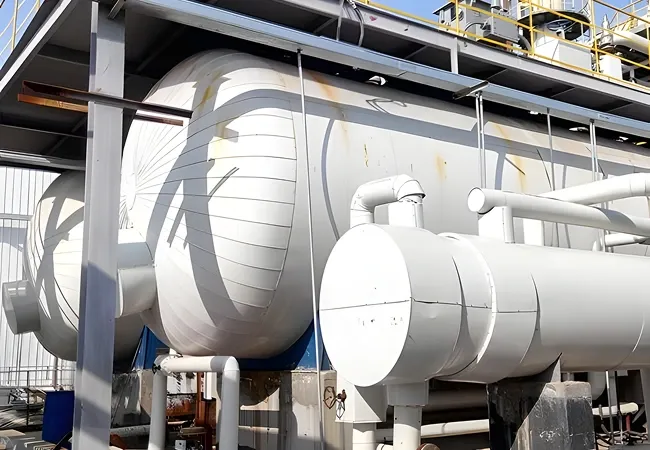
A systematic approach ensures that all relevant factors are considered. The following steps provide a practical methodology for sizing an oil water separator.
…
For more detailed information on selecting oil-water separators for industrial plants, please click here: https://www.zy-petrochemical.com/a/news/oil-water-separator-sizing-guide-for-industrial-plants.html


