WHAT ARE THE STEPS OF CLOSED DIE FORGING PROCESS

Closed die forging, also known as impression die forging, is a metal forging process in which heated metal is shaped within a set of dies to produce a near-net-shape or final component. The process involves several steps to transform the raw material into the desired forged product.

THE STEPS OF CLOSED DIE FORGING

Rocker arm forgings

BILLET HEATING

The raw material, usually a metal billet, is heated in a furnace to an appropriate forging temperature. The temperature is specific to the type of metal being forged and is crucial for achieving proper plasticity and reducing the risk of cracking during the forging process.

DIE PREPARATION

The dies, which consist of an upper and lower die set, are prepared and mounted in the forging press or hammer. The dies are precision machined to create the desired shape and features of the final forged component.

BILLET PLACEMENT

The heated billet is placed in the lower die, which has a cavity that matches the desired shape of the final product.

Forgings

CLOSING AND FORMING

The upper die is brought down to close the dies and apply pressure to the billet. The force exerted by the forging press or hammer shapes the billet within the die cavity. The material flows and fills the cavities in the die, taking the shape of the final product.

FLASH FORMATION

As the dies close, excess material, known as flash, is squeezed out between the die halves. The flash acts as a reservoir, helping to ensure complete filling of the die cavity and maintaining the desired shape of the forged component.

For more detailed information about the closed die forging process steps, please click to visit: https://www.gold-emperor.com/closed-die-forging-steps/

WHAT ARE THE FEATURES OF FORGED WHEELS

forged wheel is a type of wheel that is manufactured through a forging process. Forging is a manufacturing method where a solid piece of metal is shaped and formed under high pressure and heat to create the desired wheel shape.

Here are some key features and benefits of forged wheels:

Wheel axle

Strength and Durability

Forged wheels are known for their superior strength and durability. The forging process compacts the metal structure, aligns the grain flow, and eliminates any weak points or porosity, resulting in a wheel that can withstand high loads, impacts, and stress. This makes forged wheels highly resistant to bending, cracking, and deformation.

Weight Reduction

Forged wheels offer weight savings compared to other wheel manufacturing methods, such as cast wheels. The forging process allows for precise shaping and thinning of the wheel’s walls, reducing unnecessary material without compromising strength. The reduced weight contributes to improved acceleration, braking, and overall vehicle performance.

Enhanced Performance

The combination of strength and weight reduction in forged wheels translates into improved performance characteristics. The reduced unsprung weight contributes to better handling, responsiveness, and suspension performance. Additionally, the increased strength allows for better energy transfer, minimizing power loss and maximizing efficiency.

Customization

Forged wheels offer a wide range of customization options in terms of design, finish, and size. The forging process allows for intricate designs and complex shapes to be created, giving customers the opportunity to personalize their wheels and match their vehicle’s aesthetics.

For more detailed information about the characteristics of forged wheels, please click to visit: https://www.gold-emperor.com/features-of-forged-wheels/

What are the maintenance tips of cross roller bearings

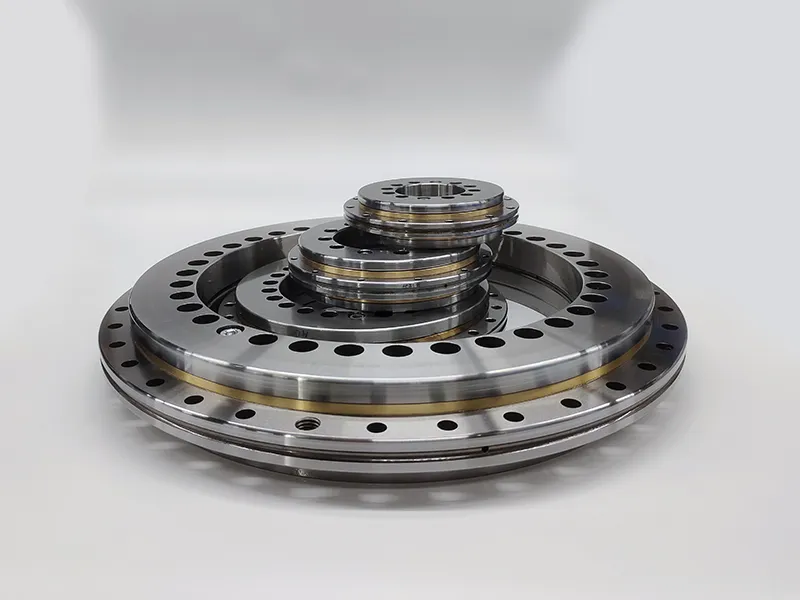
Maintaining crossed roller bearings is crucial to ensure their optimal performance and extend their service life. Crossed roller bearings are precision components commonly used in various industrial and robotic applications, known for their high rigidity and load-carrying capacity.

Crossed roller bearings maintenance tips

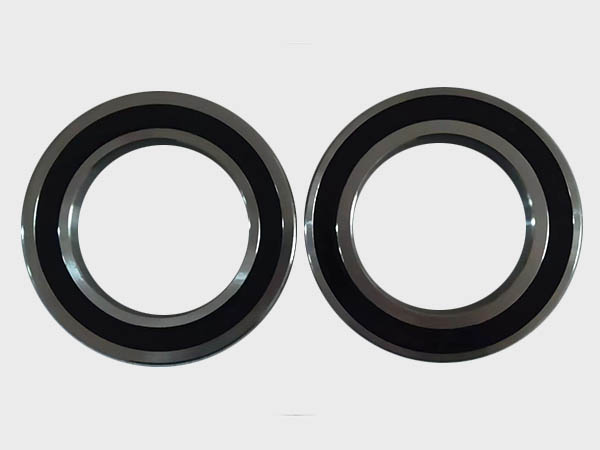
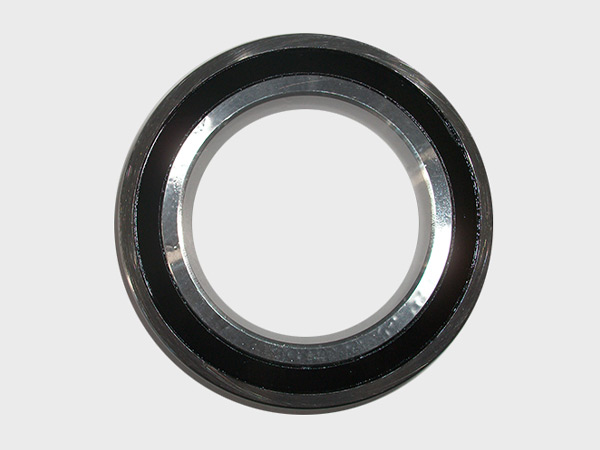
crossed roller bearings

Regular Inspection

Conduct periodic visual inspections to check for any signs of wear, damage, or contamination. Look for abnormal noise or vibration during operation, which could indicate a problem with the bearing.

Lubrication

Proper lubrication is essential for smooth operation and to reduce friction and wear. Follow the manufacturer’s recommendations regarding the type and amount of lubricant to use. Ensure that the lubrication intervals are adhered to.

Contamination Control

Crossed roller bearings are sensitive to contamination. Keep the working environment clean and free from dust, dirt, and other particles that could enter the bearing. Use seals and shields to protect the bearings from external contaminants.

Proper Installation

Ensure correct installation of the crossed roller bearings, following the manufacturer’s guidelines. Properly fit the bearings onto the shaft and housing, and avoid applying excessive force during the installation process.

Alignment

Check the alignment of the shafts and housings to ensure that they are properly aligned with each other and the bearing. Misalignment can lead to premature wear and failure of the bearings.

For more detailed information about the maintenance tips of cross roller bearings, please click to visit: https://www.prsbearings.com/a/news/crossed-roller-bearings-maintainance.html

What are the application fields of harmonic reducer bearings

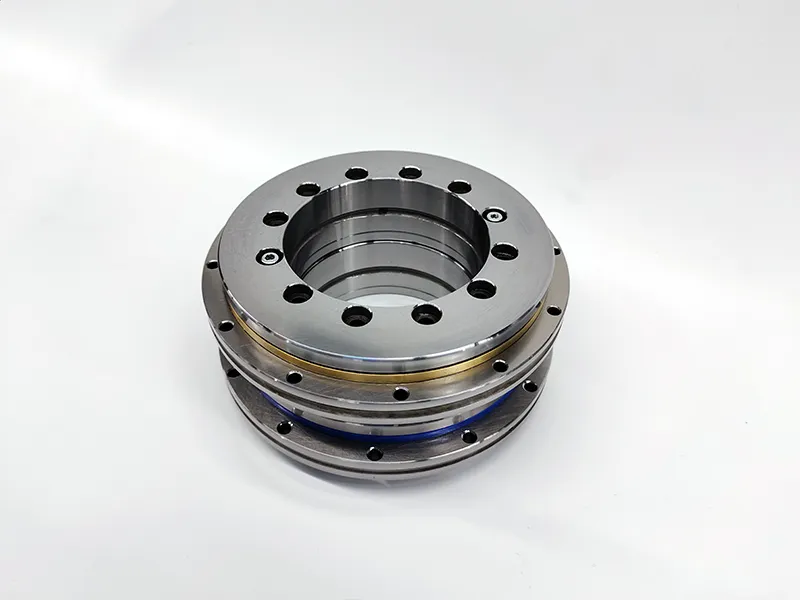
Harmonic reducer bearings, also known as strain wave gears or harmonic drive gears, are commonly used in various applications where precision motion control, compact size, and high torque transmission are required. Here are some typical applications where harmonic reducer bearings find use:

Robotics

Harmonic reducers are widely used in robotics for their compact size, high torque-to-weight ratio, and precise positioning capabilities. They are employed in robotic arms, joints, and other motion control mechanisms, enabling smooth and accurate movement with minimal backlash.

Harmonic reducer bearing

Industrial Automation

Harmonic reducer bearings are utilized in various industrial automation systems, such as pick-and-place machines, assembly lines, and packaging equipment. They offer precise motion control and compact design, allowing for efficient and reliable operation in space-constrained environments.

Aerospace and Defense

Harmonic reducers are used in aerospace and defense applications where size, weight, and reliability are critical factors. They can be found in applications such as satellite tracking systems, radar systems, unmanned aerial vehicles (UAVs), and military equipment.

Medical Equipment

Harmonic reducers are employed in medical devices and equipment that require precise motion control, such as surgical robots, medical imaging systems, and rehabilitation devices. Their compact size and high torque transmission make them suitable for space-limited medical applications.

More detailed information on the application of harmonic reducer bearings can be accessed by clicking: https://www.prsbearings.com/a/news/harmonic-reducer-bearing-application.html

What factors affect the load capacity of crossed roller bearings

The load capacity of a crossed roller bearing depends on various factors, including the bearing size, design, materials, and operating conditions. Here are some factors that influence the load capacity of crossed roller bearings:

Roller Size and Quantity: The size and quantity of the crossed cylindrical rollers directly impact the load-carrying capacity. Larger and more rollers distributed evenly across the bearing will generally result in higher load capacity.

crossed roller bearing

Roller Diameter and Length: The diameter and length of the rollers affect the contact area with the raceways and the load distribution. Generally, larger roller diameters and longer roller lengths contribute to increased load capacity.

Roller Pitch Circle Diameter: The pitch circle diameter, which is the circle passing through the centers of the crossed rollers, also influences the load capacity. A larger pitch circle diameter provides more room for the rollers, allowing for increased load-carrying capacity.

Cage Design and Material: The cage or separator that holds the rollers in place affects the load capacity and stability. The cage should be designed and constructed to provide proper guidance and spacing for the rollers, ensuring optimal load distribution and preventing roller skewing.

Raceway Design: The design and geometry of the raceways, both on the inner and outer rings, impact the load-carrying capacity. Smooth and accurately machined raceways provide better contact and load distribution, contributing to higher load capacity.

crossed roller bearing

Material and Heat Treatment: The material composition and heat treatment of the bearing components, such as the rings, rollers, and cage, can affect the load capacity. High-quality materials and appropriate heat treatment processes enhance the bearing’s strength, durability, and load-carrying capacity.

More detailed information about the factors affecting the load capacity of crossed roller bearings can be accessed by clicking: https://www.prsbearings.com/a/news/factors-affecting-load-capacity-of-crossed-roller-bearings.html

What are the advantages of tractor clutch kits

Tractor clutch kits are assemblies that include all the necessary components for replacing or repairing the clutch system of a tractor. The clutch is a critical component that engages and disengages the power transmission between the engine and the transmission, allowing the tractor to shift gears and control power delivery.

Tractor clutch kits advantages

Improved Performance

Upgrading to a quality tractor clutch kit can significantly enhance the performance of the tractor. Clutch kits are designed to provide smooth engagement and disengagement of the clutch, resulting in improved power transfer from the engine to the transmission. This can lead to better acceleration, increased pulling power, and overall improved tractor performance.

Enhanced Durability

Clutch kits often include high-quality components such as pressure plates, clutch discs, release bearings, and pilot bearings. These components are designed to withstand heavy-duty use and offer increased durability compared to standard factory-installed clutches. Upgrading to a clutch kit can result in a longer lifespan and reduced maintenance costs over time.

Increased Torque Capacity

Some clutch kits are specifically designed to handle higher torque loads. This is particularly advantageous for tractors used in demanding applications such as heavy towing, agricultural work, or industrial tasks. Upgrading to a clutch kit with a higher torque capacity allows the tractor to handle increased loads without slipping or premature wear.

More detailed information about the advantages of tractor clutch kits can be accessed by clicking: https://www.syclutch.com/news/advantages-of-tractor-clutch-kits.html

What are the parts of massey ferguson tractor clutch?

Massey Ferguson tractors, like many other tractors, are equipped with a clutch system that allows the operator to engage and disengage power from the engine to the transmission and other drivetrain components. The clutch is a critical component for controlling the tractor’s movement and operating various implements. Here is an overview of the clutch system in a Massey Ferguson tractor:

Clutch Pedal

The tractor’s clutch is typically operated using a pedal located on the left side of the driver’s seat. When the operator presses the pedal down, it engages the clutch, and when released, it disengages the clutch.

Clutch Disc

The clutch disc is the main component of the clutch system. It is located between the engine flywheel and the transmission input shaft. The clutch disc consists of friction linings on both sides and is designed to transfer power from the engine to the transmission when engaged.

Pressure Plate

The pressure plate is a spring-loaded component that applies pressure to the clutch disc when the clutch pedal is released. This pressure keeps the clutch disc in contact with the flywheel, allowing power to be transmitted from the engine to the transmission.

13-Inch

Release Bearing

The release bearing, also known as the throw-out bearing, is responsible for disengaging the clutch. When the clutch pedal is pressed, it moves the release bearing against the pressure plate, causing it to push the pressure plate away from the clutch disc. This action separates the clutch disc from the flywheel, interrupting the power transfer.

Clutch Linkage

The clutch pedal is connected to the clutch mechanism through a series of linkages, including rods, cables, or hydraulic lines. These linkages transmit the movement of the clutch pedal to the pressure plate and release bearing, engaging or disengaging the clutch as the pedal is pressed or released.

For more detailed information about Massey Ferguson Tractor Clutch Composition, please click to visit: https://www.syclutch.com/news/massey-ferguson-tractor-clutch-composition.html

What are the main points of the tractor brake disc

A tractor clutch brake disc is a component of the clutch system in a tractor. It is responsible for transmitting power from the engine to the transmission by engaging and disengaging the clutch.

Tractor clutch brake discs points

Function

The clutch brake disc serves two main functions in the clutch system. Firstly, it enables smooth engagement and disengagement of the clutch, allowing the power from the engine to be transferred to the transmission when engaged and stopping the power transmission when disengaged. Secondly, it helps to slow down or stop the rotational movement of the transmission input shaft during shifting or stopping operations.

Material

Clutch brake discs are typically made of friction materials such as organic materials, ceramic materials, or a combination of both. These materials provide the necessary friction to engage and disengage the clutch effectively and provide braking action when needed.

Design and Construction

Clutch brake discs are usually round or circular in shape and have a splined center hole that fits onto the transmission input shaft. They may have a smooth or grooved surface to provide improved friction and heat dissipation. The discs are sandwiched between the clutch pressure plate and flywheel, allowing for engagement and disengagement when the clutch pedal is operated.

Wear and Maintenance

Clutch brake discs are subject to wear over time due to the friction and heat generated during clutch engagement and disengagement. Regular maintenance and inspection of the clutch system are necessary to ensure proper functioning. If the clutch brake disc becomes worn or damaged, it may need to be replaced to maintain optimal clutch performance.

For more detailed information about the main points of tractor brake disc, please click to visit: https://www.syclutch.com/news/tractor-brake-disc-points.html

What are the benefits of mobile office shelving

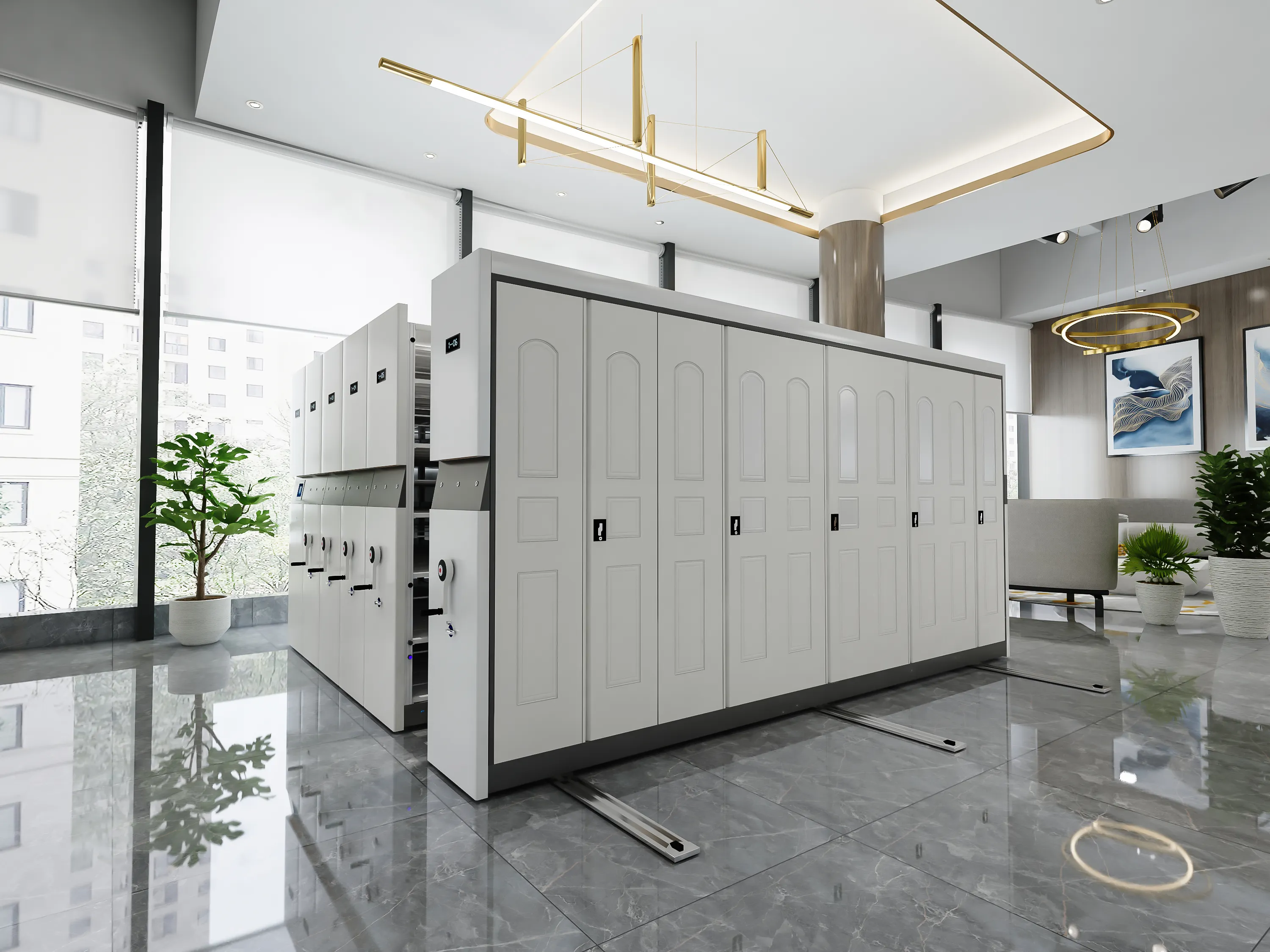
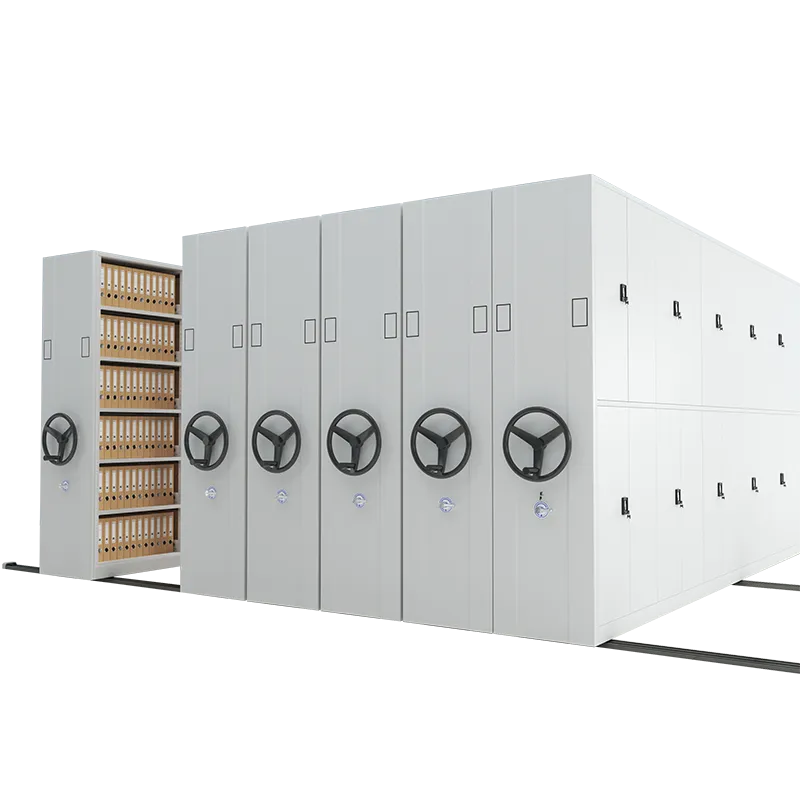
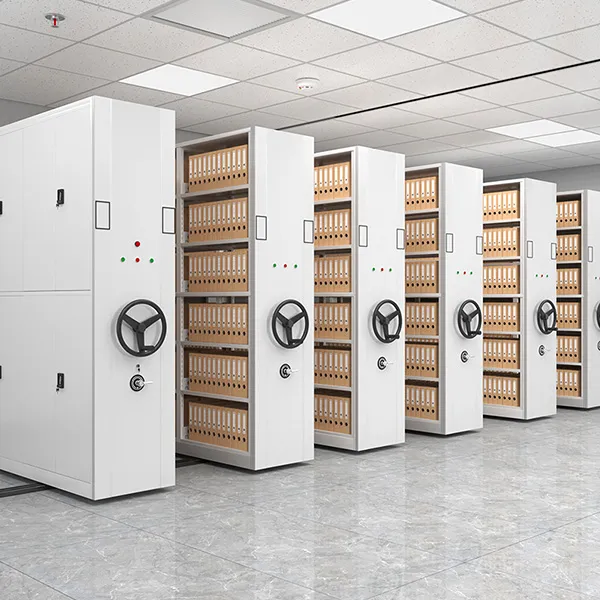
Mobile office shelving, also known as mobile shelving systems or compactus shelving, is a storage solution designed to maximize space efficiency in office environments. Unlike traditional static shelving units, mobile office shelving consists of shelving units mounted on movable carriages or tracks, allowing them to be compacted and opened up as needed.

The benefits of mobile office shelving

Mobile shelving

Space Optimization: Mobile shelving systems significantly increase storage capacity compared to static shelving by eliminating wasted aisle space. The shelving units can be compressed together when not in use, reducing the number of aisles required and maximizing the available floor space.

Flexibility and Customization: Mobile office shelving offers flexibility in terms of configuration and layout. The shelving units can be tailored to suit the specific storage requirements of the office, with options for adjustable shelves, dividers, and accessories. They can accommodate various sizes and types of items, such as files, boxes, supplies, and equipment.

Mobile shelving

Easy Access and Organization: The shelving units can be moved along the tracks by either manual or mechanical means, allowing access to a specific aisle or section when needed. This feature enhances organization and retrieval of stored items, as users can easily reach the desired shelves without the need to navigate through multiple aisles.

Security and Privacy: Mobile office shelving systems can be equipped with locking mechanisms to ensure the security of sensitive or confidential items. This feature is particularly beneficial for offices that store confidential documents or valuable assets, providing an added layer of protection.

For more details about the benefits of mobile office shelving, please click to visit: https://www.etegreen.com/blog/mobile-office-shelving-benefits/

How much is the mobile shelving system

Mobile shelving systems, also known as compact shelving or high-density storage systems, are a type of storage solution designed to maximize space utilization and increase storage capacity. These systems consist of movable shelving units that are mounted on carriages or tracks, allowing the shelves to slide back and forth to create an accessible aisle when needed.

The price of mobile shelving systems can vary depending on several factors, including the size, configuration, features, quality, and the specific supplier or manufacturer. Additionally, prices can vary based on geographical location and currency exchange rates. Here are some general price ranges to give you an idea:

Manual Mobile Shelving Systems: These systems are manually operated, where users move the shelves by hand. Prices for manual mobile shelving systems typically range from $200 to $800 per linear foot. However, this is a rough estimate, and prices can vary significantly depending on the size and features of the system.

Electric Mobile Shelving Systems: These systems are powered by electric motors, making it easier to move the shelves with a push of a button. Prices for electric mobile shelving systems generally range from $500 to $1,500 per linear foot, depending on the size, features, and complexity of the system.

High-Density Mobile Shelving Systems: These systems maximize storage capacity by compacting the shelves tightly together. Prices for high-density mobile shelving systems are typically higher compared to manual or electric systems due to the added complexity and engineering required. Prices can range from $1,000 to $3,000 per linear foot or more.

Mobile shelving

Features of  mobile shelving systems

Space Optimization

Mobile shelving systems are known for their ability to optimize space utilization. By eliminating fixed aisles between shelves, these systems can significantly increase storage capacity compared to traditional static shelving. The movable shelves can be compacted together, reducing the overall footprint and maximizing the use of available floor space.

Easy Access and Retrieval

The shelves in a mobile shelving system can be opened or closed by sliding them along the tracks. This creates an aisle only where it is needed, allowing direct access to the desired shelf. It eliminates the need for multiple aisles, making it more efficient to locate and retrieve items from storage.

Customizable Configurations

Mobile shelving systems offer flexibility in terms of configuration and design. The system can be tailored to meet specific storage requirements, including shelf size, height, and weight capacity. It can accommodate a variety of items, from small boxes to large bulky items, with adjustable shelving options to suit different storage needs.

For more detailed information about how much is the mobile shelving system, click to visit: https://www.etegreen.com/blog/mobile-shelving-system-price/