Low NOx Burners for Rotary Kilns to Meet Emission Standards: Technology, Application, and Compliance Strategy

As global environmental regulations continue to tighten, industries that rely on high-temperature thermal processing are under increasing pressure to reduce nitrogen oxide (NOx) emissions. Among these industries, cement production, lime calcination, and metallurgical processing are particularly affected due to their heavy dependence on rotary kilns. In this context, the adoption of Low NOx burners for rotary kilns has become a critical engineering solution for companies aiming to meet emission standards while maintaining operational efficiency and production stability.

This article provides a comprehensive overview of how Low NOx burner technology works, why it is essential for modern rotary kiln systems, and how industrial operators can integrate it effectively into both new installations and retrofit projects.

The Role of Rotary Kilns in Industrial Production

Low NOx burners

Rotary kilns are widely used in high-temperature processing industries such as cement manufacturing, lime production, and mineral calcination. These systems operate continuously under extreme thermal conditions, often exceeding 1,400°C in the burning zone. To sustain such temperatures, large quantities of fuel are combusted, which inevitably leads to the formation of nitrogen oxides.

NOx emissions are primarily generated through two mechanisms: thermal NOx, which is formed at high combustion temperatures, and fuel NOx, which results from nitrogen compounds present in the fuel. Without proper combustion control, rotary kilns can become significant contributors to air pollution, making emission control technologies not only desirable but mandatory in many regions.

Why Low NOx Burners Are Essential for Emission Compliance

Environmental agencies in regions such as the European Union, the United States, and parts of Asia have implemented strict emission thresholds for industrial NOx output. These regulations are designed to reduce smog formation, acid rain, and respiratory health risks associated with air pollution.

Low NOx burners for rotary kilns are specifically engineered to address these regulatory requirements. Instead of relying on post-combustion treatment alone, they reduce NOx formation at the source by controlling how fuel and air are mixed and burned inside the kiln system. This proactive approach allows operators to achieve compliance more efficiently and cost-effectively.

For more detailed information on low-NOx burners for rotary kilns to meet emission standards, please click here: https://www.sxburner.com/a/news/low-nox-burners-for-rotary-kilns.html

How to Optimize Flame Shape in Rotary Kiln Burners for Stable Operation and Higher Thermal Efficiency

In industrial cement production, metallurgy, and mineral processing, the rotary kiln remains one of the most critical thermal processing equipment pieces. Among all influencing factors that determine kiln performance, the flame shape generated by the burner plays a decisive role in fuel efficiency, clinker quality, refractory life, and overall operational stability. Understanding how to optimize flame shape in rotary kiln burners is therefore not only a matter of energy saving, but also a key engineering strategy for long-term production reliability and cost control.

This article provides a comprehensive explanation of flame formation principles, the factors influencing flame geometry, and practical optimization strategies based on real industrial operating experience. It is designed for plant engineers, kiln operators, maintenance managers, and technical decision-makers who aim to improve combustion efficiency and process stability.

Understanding Flame Shape in Rotary Kiln Burners

rotary kiln burners

The flame in a rotary kiln is a dynamic result of fuel-air mixing, momentum balance, and thermal radiation exchange within a confined high-temperature environment. In practical operation, flame shape generally refers to three main characteristics: flame length, flame width, and flame core temperature distribution.

A well-optimized flame should be stable, moderately long, and slightly luminous at the core while maintaining sufficient penetration into the material bed without causing localized overheating of refractory bricks. If the flame is too short and intense, it may lead to hot spots and clinker over-burning. If it is too long and diffused, incomplete combustion and high fuel consumption will occur.

Therefore, flame optimization is essentially a process of balancing momentum, air distribution, and fuel atomization to achieve ideal heat transfer conditions.

Key Factors Affecting Flame Shape

1. Fuel Type and Combustion Characteristics

Different fuels such as coal powder, natural gas, oil, or alternative fuels exhibit different combustion velocities and ignition behaviors. For example, coal with higher volatile content tends to produce longer and more luminous flames, while natural gas usually forms a cleaner but shorter flame.

For more detailed information on how to optimize the flame shape of rotary kiln burners, please click to visit: https://www.sxburner.com/a/news/how-to-optimize-flame-shape-in-rotary-kiln-burners.html

Loading Dock Design for Heavy-Duty Steel Logistics Warehouses: Engineering Efficiency, Safety, and Long-Term Performance

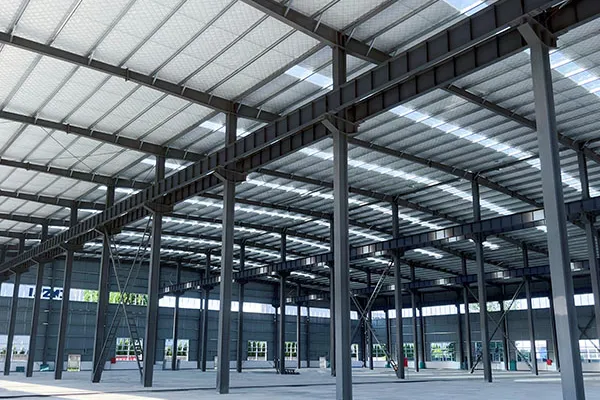
In modern industrial supply chains, steel logistics warehouses have become the backbone of high-volume storage, handling, and distribution operations. As global trade expands and warehouse throughput continues to rise, the loading dock is no longer a secondary architectural detail. Instead, it has become a critical operational interface that directly influences efficiency, safety, energy consumption, and overall logistics performance.

A well-designed loading dock for heavy-duty steel logistics warehouses must be engineered to withstand continuous impact loads, accommodate diverse vehicle types, and support fast-paced material handling processes without compromising structural integrity. This article explores the essential design principles, technical considerations, and long-term operational strategies that define an efficient loading dock system.

1. The Strategic Role of Loading Docks in Steel Logistics Warehouses

A loading dock serves as the transition point between transportation systems and internal warehouse operations. In steel logistics environments, where goods often include heavy coils, structural components, machinery parts, or bulk metal products, this interface must be designed for durability and precision.

A properly engineered loading dock does more than facilitate loading and unloading. It directly impacts:

Turnaround time for trucks and trailers

Safety of workers and equipment

Energy efficiency inside temperature-controlled warehouses

Protection of stored goods from environmental exposure

Structural lifespan of the building envelope

When warehouse operators underestimate dock design, they often face bottlenecks, equipment damage, and rising maintenance costs over time. Therefore, integrating loading dock planning at the earliest stage of warehouse design is essential.

2. Structural Design Considerations for Heavy-Duty Applications

Steel logistics warehouses typically handle high axle loads and frequent truck traffic. As a result, loading dock structures must be reinforced to absorb repeated impact stress.

Reinforced Dock Platform Design

The dock platform must be constructed with high-strength reinforced concrete or steel framing systems capable of supporting dynamic loads. Engineers typically calculate load-bearing capacity based on the heaviest expected forklift operations, fully loaded trucks, and occasional impact forces during docking.

For more detailed information on the design of loading and unloading platforms for heavy-duty steel structure logistics warehouses, please click to visit: https://www.hcggsteel.com/a/news/loading-dock-design-for-heavy-duty-steel-logistics-warehouses.html

Energy-Efficient Insulation for Cold Chain Steel Logistics Centers: A Comprehensive Guide to Performance, Cost Reduction, and Sustainability

In modern global supply chains, cold chain logistics centers play a critical role in preserving the quality, safety, and shelf life of temperature-sensitive products such as food, pharmaceuticals, and biotechnology materials. As demand continues to rise, operators are under increasing pressure to improve energy efficiency while maintaining strict temperature control standards. One of the most effective and often underestimated strategies is the use of energy-efficient insulation systems integrated into steel structure logistics centers.

This article provides a detailed and practical exploration of how advanced insulation technologies, combined with engineered steel structures, can significantly reduce energy consumption, enhance operational stability, and improve long-term return on investment in cold chain facilities.

1. The Growing Importance of Energy Efficiency in Cold Chain Logistics

cold chain steel logistics centers

Cold chain logistics centers operate under strict temperature requirements, often ranging from deep-freeze environments below -20°C to chilled storage around 2–8°C. Maintaining these conditions requires continuous refrigeration, which is one of the most energy-intensive processes in industrial facilities.

Energy costs can account for 40% to 60% of total operating expenses in a cold storage facility. Therefore, even a small improvement in thermal insulation performance can lead to substantial cost savings over time.

At the same time, global sustainability regulations and carbon reduction targets are pushing logistics operators to adopt greener building solutions. Energy-efficient insulation is no longer optional; it has become a strategic necessity for competitive cold chain operations.

2. Why Steel Structure Cold Chain Centers Require Advanced Insulation

Steel structure logistics centers are widely used in cold chain infrastructure due to their advantages in strength, modular construction, and scalability. However, steel is also a highly conductive material, meaning it can easily transfer heat if not properly insulated.

Without high-performance insulation systems, steel structures can create:

Thermal bridging, leading to energy leakage

Condensation issues, increasing corrosion risk

Uneven temperature distribution inside storage zones

Higher refrigeration system load and energy consumption

For this reason, insulation design must be integrated into the steel structure from the early planning stage rather than treated as a secondary addition.

For more detailed information on energy-saving and insulation guidelines for cold chain steel logistics centers, please click to visit: https://www.hcggsteel.com/a/news/energy-efficient-insulation-for-cold-chain-steel-logistics-centers.html

Cost per Square Meter for Heavy-Duty Steel Logistics Hubs 2026: A Complete Industry Cost Analysis

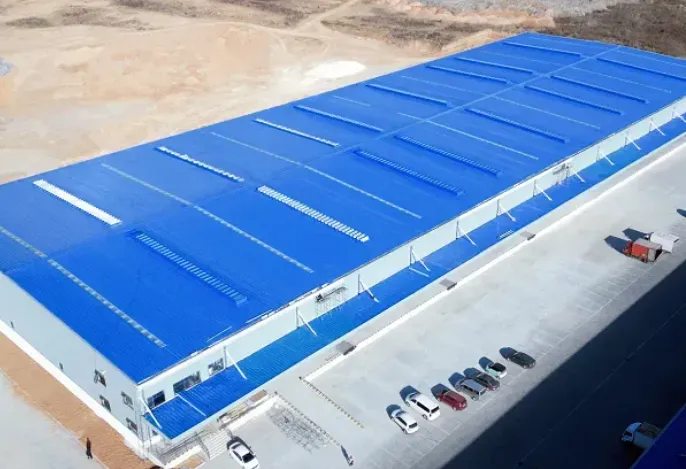
In 2026, global demand for logistics infrastructure continues to rise rapidly, driven by the expansion of e-commerce, cross-border trade, and automated supply chain systems. Among all industrial building types, heavy-duty steel logistics hubs have become the preferred solution due to their structural efficiency, fast construction cycle, and long-term durability.

However, one of the most frequently asked questions by investors, developers, and procurement managers is still: what is the real cost per square meter for heavy-duty steel logistics hubs in 2026?

The answer is not fixed, but it can be clearly understood through market data, engineering standards, and project-level breakdowns.

1. Overall Market Price Range in 2026

Based on global construction benchmarks and steel structure industry reports, the cost per square meter for heavy-duty steel logistics hubs in 2026 typically ranges between:

USD $65 – $165 per m² (basic to advanced industrial grade structures)

USD $120 – $250+ per m² (fully equipped logistics hubs with automation systems)

These figures reflect complete construction scenarios that include steel framing, roofing, wall systems, foundations, and basic industrial installations.

In many international projects, especially in North America and Europe, total investment can exceed these ranges when automation, cold storage systems, or high-load specifications are included.

Steel Structure Logistics

2. Why Cost per Square Meter Varies So Widely

Unlike residential or light commercial buildings, heavy-duty logistics hubs are highly customized engineering systems. Their cost per square meter is influenced by multiple structural and operational variables.

2.1 Structural Load Requirements

A logistics hub designed for pallet racking systems or automated storage requires significantly higher steel tonnage compared to standard warehouses. The heavier the load requirement, the more steel is used per square meter, directly increasing cost.

2.2 Building Height and Span Design

Modern logistics hubs often exceed 12–20 meters in height to support vertical storage optimization. Large-span structures without internal columns also require stronger steel frames and precision engineering, which increases fabrication and installation cost.

For more detailed information on the cost per square meter of a heavy steel structure logistics center in 2026, please click to visit: https://www.hcggsteel.com/a/news/cost-per-square-meter-for-heavy-duty-steel-logistics-hubs-2026.html

Why Printed Aluminum Sheet Outperforms Painted Steel for Outdoor Signs

When selecting materials for outdoor signs, longevity and visual performance are non-negotiable. While painted steel has been a traditional choice, a growing body of evidence—and real-world field data—points to printed aluminum sheets as the superior option. From corrosive coastal environments to high-traffic urban intersections, the material’s inherent properties directly address the pain points of fading, rust, and structural fatigue. This article provides a rigorous technical and economic comparison, drawing on industry insights from Dawei Aluminum, to demonstrate why printed aluminum sheet is not merely an alternative but the benchmark for modern outdoor signage.

Corrosion Resistance: The Defining Factor

Outdoor signs must endure rain, humidity, salt spray, and temperature swings. Painted steel relies entirely on its coating for protection. Once that paint layer is scratched—during installation, cleaning, or vandalism—moisture reaches the exposed steel. Electrochemical corrosion begins, leading to rust creep, blistering, and eventual structural failure. In contrast, printed aluminum sheet forms a natural oxide layer that self-heals when scratched, making corrosion a localized, non-progressive event.

Accelerated Weathering Test Results

Standard ASTM B117 salt spray tests consistently show that printed aluminum sheet resists corrosion for over 2,000 hours without visible pitting, while painted steel begins to show rust at 300–400 hours—unless protected with expensive coatings like hot-dip galvanizing, which adds cost and weight. For coastal signage, aluminum’s advantage is decisive.

  • Aluminum: No red rust; surface may develop controlled patina (non-structural).
  • Painted steel: Requires periodic repainting and rust removal—costly over a 10-year lifespan.

Weight and Structural Load

Weight directly influences installation complexity and supporting frame costs. Aluminum is approximately 65% lighter than steel for the same thickness. A typical 3′ x 5′ sign using 0.063″ aluminum weighs 7.6 lb; the same sign in 0.030″ steel (minimum for rigidity) weighs about 12.3 lb. This difference reduces roof load, wall anchor requirements, and shipping costs by up to 35%. For large-format or elevated signs, lighter aluminum allows faster installation with fewer workers, lowering labor expense.

Practical Implications for Fabricators

Sign makers favor printed aluminum sheets because they can be cut, routed, and formed with standard woodworking tools, reducing tool wear and power consumption. Painted steel often requires plasma cutting or heavy-duty shears, increasing energy use and maintenance downtime. Dawei Aluminum offers pre-cut sheets optimized for digital printing, eliminating the need for post-printing edge finishing.

To learn more about why printed aluminum sheets are better suited for outdoor signage than painted steel sheets, please click here: https://www.dw-al.com/a/news/aluminum-steel-signs.html

High-Gloss Printed Aluminum Coil for Beverage Can Packaging: Performance, Aesthetics, and Industrial Value

In the modern beverage packaging industry, visual appeal and functional performance are no longer separate priorities. Brands compete not only through taste and product quality but also through shelf impact and consumer perception. Among all packaging materials used in beverage cans, high-gloss printed aluminum coil has become one of the most critical solutions for achieving both premium appearance and reliable industrial performance. It combines advanced surface treatment, precision printing technology, and metallurgical stability to meet the demanding requirements of high-speed can production lines.

This article explains the technical value, manufacturing considerations, application advantages, and selection criteria of high-gloss printed aluminum coil for beverage can packaging. It is designed to help packaging engineers, procurement managers, and beverage brand owners make informed decisions based on real industrial needs.

1. Understanding High-Gloss Printed Aluminum Coil in Beverage Packaging

High-gloss printed aluminum coil refers to pre-coated aluminum sheet material that undergoes surface polishing, coating, and high-resolution printing before being formed into beverage cans. Unlike raw aluminum sheets, this material is processed to deliver both decorative and functional performance.

The aluminum substrate typically consists of alloys such as 3104 or 3105, which are widely used in can body applications due to their excellent formability, corrosion resistance, and strength-to-weight balance. After alloy selection and rolling processes, the coil is subjected to cleaning, coating, and printing stages that define its final visual and protective characteristics.

The high-gloss finish plays a crucial role in enhancing brand visibility. It creates a reflective surface that improves color vibrancy and sharpness of printed graphics, making beverage cans more attractive on retail shelves.

Printed Aluminum Coil

2. Manufacturing Process and Surface Engineering

The production of high-gloss printed aluminum coil involves several precision-controlled steps. Each stage directly influences final quality, especially in terms of gloss level, ink adhesion, and coating durability.

2.1 Surface Pretreatment

Before any coating is applied, the aluminum surface must be thoroughly cleaned and chemically treated. This process removes oxides, oils, and impurities that could affect adhesion. A conversion coating layer is then applied to improve corrosion resistance and ensure stable bonding between aluminum and subsequent coatings.

2.2 Base Coating Application

A base coat is applied to create a uniform surface and enhance brightness. This layer is engineered to support high-gloss reflection while maintaining compatibility with printing inks. The coating thickness must be precisely controlled to avoid defects such as uneven gloss or surface waviness.

2.3 High-Resolution Printing

Modern beverage packaging relies on high-definition printing technologies, typically using offset or gravure printing systems. These systems allow multi-color designs, gradient effects, and fine text reproduction. High-gloss aluminum coil enhances these prints by increasing contrast and saturation, making brand elements more visually striking.

For more information on high-gloss printed aluminum coils used in beverage can packaging, please click here: https://www.dw-al.com/a/news/high-gloss-printed-aluminum-coil-for-beverage-can-packaging.html

What are the Bending Properties of PVDF-Coated Printed Aluminum Coils, and What Factors Affect Their Performance?

In modern architectural decoration, transportation, and industrial manufacturing, PVDF coated printed aluminum coil has become one of the most widely used high-performance materials due to its excellent weather resistance, aesthetic versatility, and mechanical stability. Among all its performance indicators, bending performance plays a critical role because it directly determines whether the material can be safely formed, processed, and applied in real engineering environments without surface damage or structural failure.

Understanding the bending behavior of PVDF coated printed aluminum coil is essential for engineers, fabricators, and procurement specialists who aim to ensure durability, production efficiency, and long-term service reliability. This article provides a comprehensive analysis of its bending performance from a materials engineering perspective, including influencing factors, testing methods, application relevance, and selection considerations.

Understanding PVDF Coated Printed Aluminum Coil

PVDF Coated Printed Aluminum Coil

PVDF coated printed aluminum coil is an aluminum substrate material that is coated with polyvinylidene fluoride (PVDF) resin and further processed with high-quality printing technology. The PVDF coating system is known for its exceptional chemical stability, UV resistance, and long service life, which makes it suitable for outdoor architectural applications such as curtain walls, roofing systems, and decorative facades.

The printed layer adds aesthetic value by allowing patterns such as wood grain, stone texture, metallic finishes, and customized graphic designs. However, beyond appearance, the mechanical integrity of the coating during forming processes, especially bending, determines whether the material can maintain its functional and visual performance after fabrication.

Importance of Bending Performance in Engineering Applications

Bending performance refers to the ability of coated aluminum coil to withstand deformation without cracking, peeling, whitening, or delamination of the coating layer. In real-world production, aluminum coils are often subjected to roll forming, folding, stamping, and bending into complex shapes.

If the coating system lacks sufficient flexibility or adhesion, surface defects may occur during processing, which can significantly reduce product quality and lifespan. Therefore, bending performance is not only a laboratory indicator but also a practical quality benchmark for industrial users.

For architectural applications, bending performance determines whether panels can be formed into curved façades or sharp-edged structures. In transportation and appliance industries, it affects manufacturability and assembly precision.

Key Factors Affecting Bending Performance

1. Aluminum Alloy Substrate Selection

The bending behavior of PVDF coated printed aluminum coil is strongly influenced by the mechanical properties of the aluminum substrate. Alloys such as 3003, 3105, and 5005 are commonly used due to their balanced strength and ductility. A substrate with higher elongation capacity generally provides better resistance to cracking during bending.

If the alloy is too hard or has insufficient ductility, micro-cracks may form under stress, which can propagate into the coating layer.

2. Coating Thickness and Structure

The PVDF coating system typically consists of a primer layer, a color coating layer, and a protective topcoat. The thickness and uniformity of these layers significantly influence flexibility.

For more detailed information on the bending properties of PVDF-coated printed aluminum coils and the influencing factors, please click to visit: https://www.dw-al.com/a/news/bending-performance-of-pvdf-coated-printed-aluminum-coil.html

Maximize Metal Purity with High-Density Graphite Crucibles

In precision metal casting and smelting, achieving the highest possible metal purity is paramount—whether you are refining precious metals, producing superalloys, or creating high-conductivity copper components. Impurities introduced during the melting process can degrade mechanical properties, electrical conductivity, and corrosion resistance of the final product. The choice of crucible material plays a decisive role in this equation. High-density graphite crucibles have emerged as the preferred solution for maximizing metal purity, thanks to their unique combination of thermal stability, chemical inertness, and low porosity. This article delves into the science behind how these crucibles preserve metal quality and provides actionable guidance for selecting the right crucible for your application.

Why Crucible Material Directly Affects Metal Purity

The crucible is more than a container; it is a reactive vessel that interacts with molten metal at extreme temperatures. Conventional crucibles made from clay-graphite or silicon carbide often contain binders and additives that can leach into the melt, introducing contaminants such as silica, iron oxides, or aluminum. In contrast, high-density graphite crucibles are manufactured from nearly pure carbon with minimal binder residue, significantly reducing the risk of elemental contamination. The density—typically exceeding 1.85 g/cm³—means fewer open pores, which limits gas absorption and minimizes slag entrapment. For applications requiring ultra-high purity, such as aerospace alloys or electronic-grade copper, this distinction can mean the difference between meeting specifications and costly rejection.

Key Advantages of High-Density Graphite Crucibles for Purity

1. Extremely Low Porosity Prevents Oxidation and Inclusions

Porosity is the enemy of metal purity. Lower-density crucibles allow oxygen and other gases to penetrate the crucible wall, reacting with the melt to form oxides that become inclusions. High-density graphite, with porosity below 10%, acts as a virtually impermeable barrier, keeping the melt isolated from furnace atmosphere. This is especially critical when melting reactive metals like titanium or zirconium, where even trace oxygen can cause embrittlement.

2. Superior Thermal Shock Resistance Maintains Structural Integrity

Rapid heating and cooling cycles can cause conventional crucibles to crack, releasing particles into the melt. High-density graphite exhibits excellent thermal conductivity (over 100 W/mK) and a low coefficient of thermal expansion, enabling it to withstand severe thermal gradients without fracture. Cangzhou Carbon manufactures high-density crucibles with a fine-grained microstructure that further enhances crack resistance, ensuring that no material flakes contaminate your metal.

3. Minimal Reactivity with Most Molten Metals

Graphite is thermodynamically stable in many molten metals, particularly non-ferrous alloys like aluminum, copper, bronze, and gold. Unlike ceramic crucibles that can dissolve or react, high-density graphite remains inert up to 3000°C in controlled atmospheres. This non-wetting behavior means less metal adhesion to the crucible walls, reducing cross-contamination between melts and simplifying cleaning.

Comparing High-Density Graphite to Alternative Crucible Materials

To make an informed decision, it is helpful to see how high-density graphite stacks up against other common crucible materials:

  • Clay-Graphite Crucibles: Lower cost but higher porosity (15-20%) and binder-related impurities. Suitable for general casting but not for purity-critical applications.
  • Silicon Carbide Crucibles: Good thermal shock resistance but can react with certain metals (e.g., nickel) and may release silicon into the melt.

For more detailed information on maximizing metal purity using high-density graphite crucibles, please click here: https://www.czgraphite.com/a/news/maximize-metal-purity-with-high-density-graphite-crucibles.html

Isostatically Pressed Graphite for Vacuum Furnace Components: A Practical Guide for Engineers and Buyers

Vacuum furnace performance depends heavily on the stability and reliability of internal components, and material selection plays a decisive role in achieving consistent results. Many manufacturers and engineers choose isostatically pressed graphite because it delivers a balanced combination of purity, strength, and thermal stability under extreme conditions. This article explains why isostatically pressed graphite stands out, how it is used in vacuum furnace components, and what decision-makers should consider before sourcing it.

What Is Isostatically Pressed Graphite?

Isostatically pressed graphite is produced by applying uniform pressure to fine graphite powder in all directions during the forming process. This manufacturing method creates a highly uniform microstructure with minimal anisotropy. Compared with extruded or molded graphite, isostatic graphite offers superior density consistency, mechanical strength, and isotropic properties.

Manufacturers rely on this process when they need materials that can perform predictably in high-temperature and high-vacuum environments. The uniform grain structure ensures that the material behaves consistently regardless of orientation, which is critical for precision furnace components.

isostatically pressed graphite

Why Vacuum Furnaces Require High-Performance Graphite

Vacuum furnaces operate in demanding environments that involve high temperatures, low pressure, and strict contamination control. Engineers must select materials that can withstand these conditions without degrading or introducing impurities.

Isostatically pressed graphite meets these requirements in several ways:

It provides excellent thermal conductivity, which helps maintain uniform temperature distribution.

It offers high resistance to thermal shock, allowing components to handle rapid heating and cooling cycles.

It ensures low outgassing rates, which protects the vacuum environment from contamination.

It maintains structural integrity at temperatures exceeding 2000°C in inert or vacuum atmospheres.

Because of these advantages, industries such as aerospace, metallurgy, semiconductor processing, and tool manufacturing widely adopt this material.

Common Applications in Vacuum Furnace Components

Engineers design a wide range of furnace components using isostatically pressed graphite. Each application benefits from the material’s stability and precision.

1. Heating Elements

Heating elements require materials that can withstand extreme temperatures without deformation. Isostatic graphite ensures stable resistance and long service life, which reduces downtime and replacement costs.

2. Insulation Components

Graphite felt and rigid boards made from isostatic graphite help improve thermal efficiency. These materials reduce heat loss and maintain energy efficiency inside the furnace chamber.

3. Fixtures and Trays

Furnace fixtures must support workpieces without warping or contaminating them. Isostatic graphite provides dimensional stability and chemical inertness, which ensures product quality.

For more detailed information on the practical guide to isostatic graphite for vacuum furnace components, please click here: https://www.czgraphite.com/a/news/isostatically-pressed-graphite-for-vacuum-furnace-components.html