How to Choose the Right Slewing Bearing for Heavy Machinery

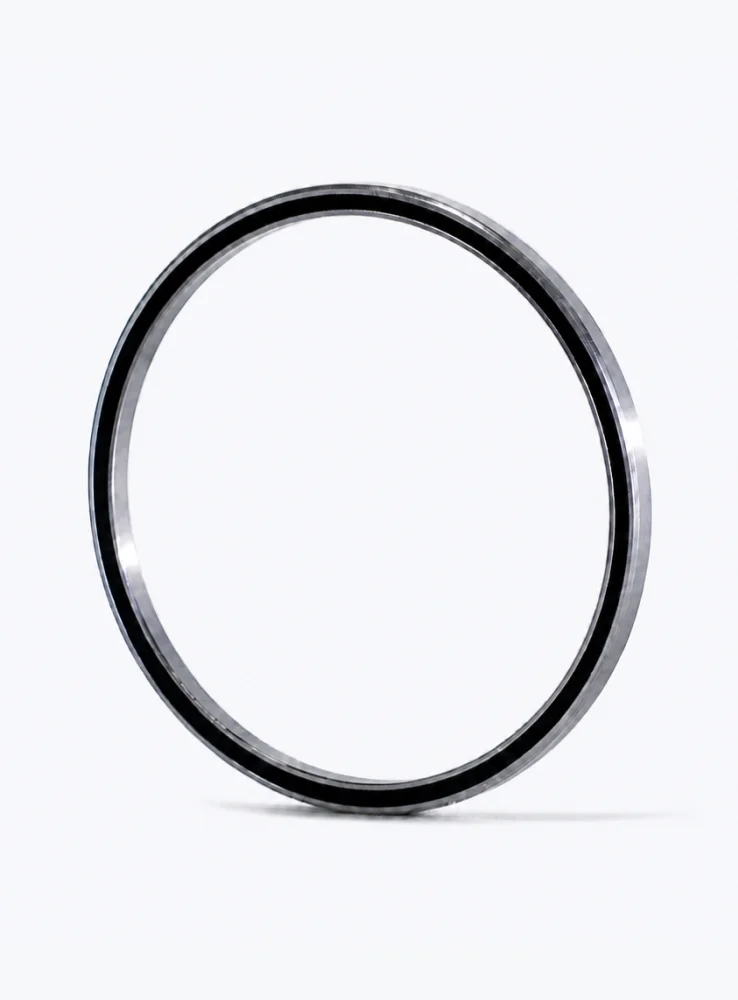
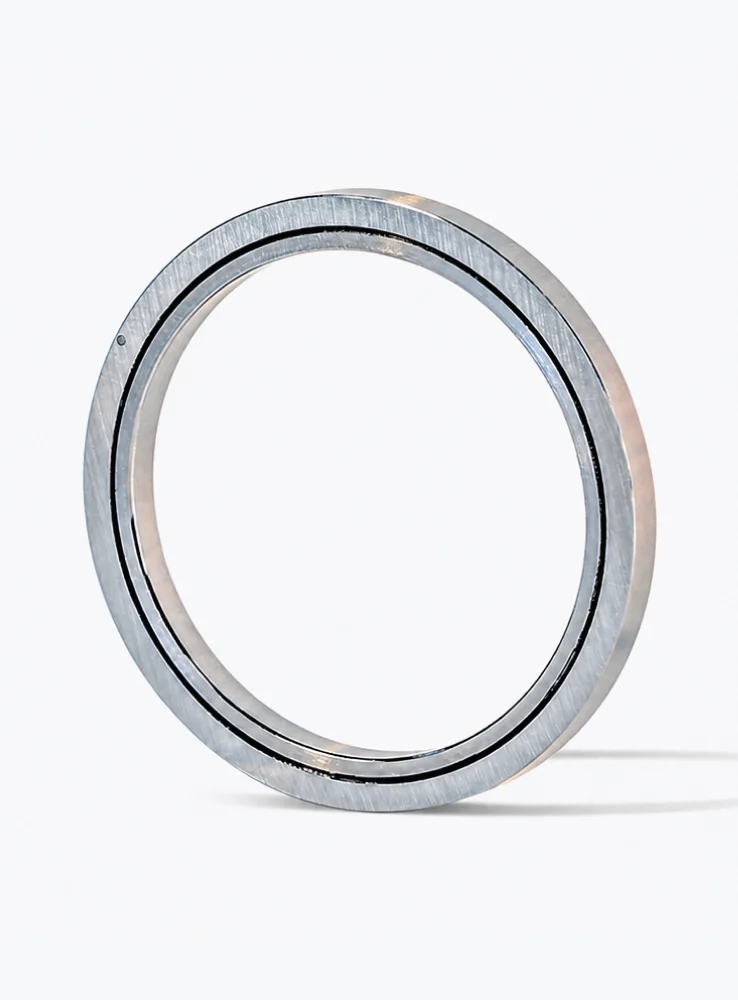
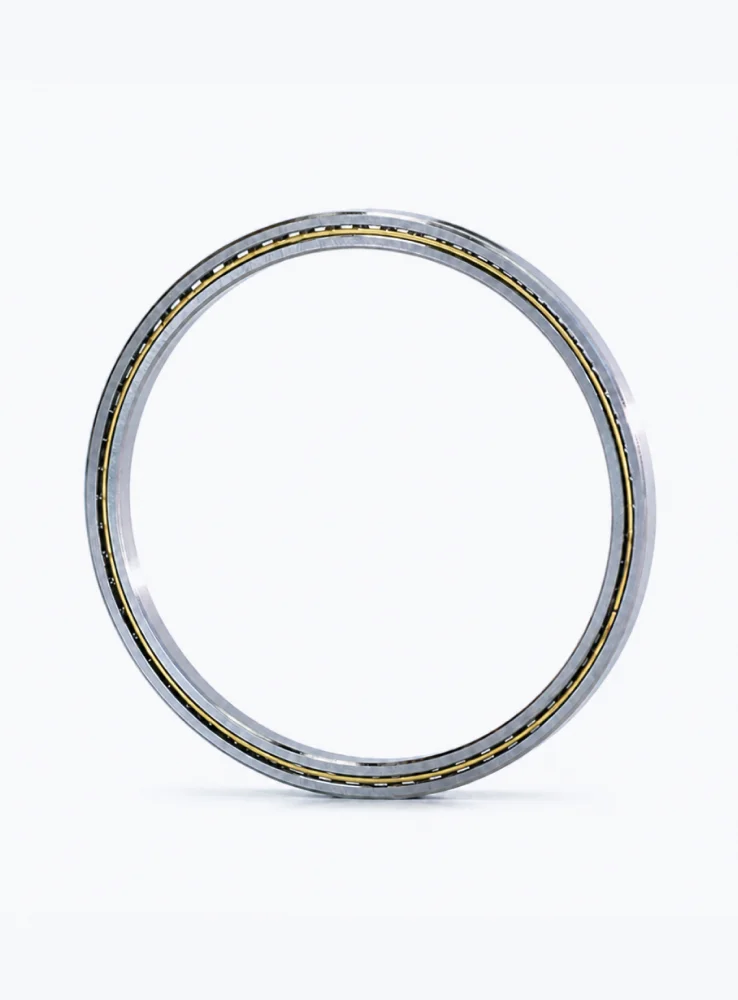
Selecting the correct slewing bearing for heavy machinery is a critical engineering decision that directly impacts equipment performance, safety, and operational lifespan. Whether you are designing a new excavator, crane, wind turbine, or radar system, the bearing must withstand extreme loads, harsh environments, and often continuous rotation. This guide provides a structured, technical approach to choosing the optimal slewing bearing—covering load calculations, material selection, sealing requirements, and why industry professionals increasingly trust LYMC for mission-critical applications.

Key Selection Parameters for Slewing Bearings

Before comparing specific brands or models, you must define the mechanical and environmental demands of your application. The following parameters form the foundation of any sound bearing selection process.

Load Capacity and Moment Ratings

Heavy machinery slewing bearings must handle three simultaneous load components: axial load (vertical thrust), radial load (horizontal side force), and tilting moment (overturning torque). Always verify the static and dynamic load ratings against your worst-case operating scenario. Use manufacturers’ load charts that plot axial load vs. tilting moment; ensure the intersection point falls within the safe operating zone for your chosen bearing size.

Raceway Hardness and Material Grade

Raceway hardness directly affects fatigue life. Standard bearings use 42CrMo4 steel induction-hardened to 55–62 HRC. For applications with heavy shock loads or contaminants, consider through-hardened grades or case-hardened variants. LYMC offers a proprietary heat treatment process that achieves consistent hardness depth of 3–5 mm, reducing Brinelling risk under high static loads.

Gear Teeth Design and Precision

If your bearing includes internal or external gear teeth, specify tooth module, number of teeth, and material grade. Mismatched gear quality leads to premature wear and noise. For crane slewing rings, LYMC recommends AGMA Q9–Q10 precision gears with induction-hardened tooth flanks to 50–55 HRC.

Application-Specific Selection Considerations

The ideal bearing for a tower crane differs from that used in a port grab unloader or a solar tracker. Below are tailored recommendations for common heavy machinery sectors.

Construction and Earthmoving Equipment

Excavators and crawler cranes experience high tilting moments and frequent start-stop cycles. Choose a single-row four-point contact ball bearing for moderate loads, or a crossed roller bearing for higher rigidity. For excavators over 50 tons, LYMC recommends a three-row roller design to distribute loads over separate raceways and achieve up to 30% longer service life in abrasive environments.

For more detailed information on how to select the right slewing bearing for heavy machinery, please click here: https://www.mcslewingbearings.com/a/news/slewing-bearing-guid.html

How to Choose Slewing Bearings for High-Speed Precision Robots

High-speed precision robots have become the backbone of modern manufacturing, from semiconductor production to automated assembly lines. These systems demand not only accuracy and repeatability but also long-term stability under dynamic loads. One critical component that directly influences performance is the slewing bearing. Choosing the right slewing bearing is not a simple catalog selection; it requires a deep understanding of operating conditions, design constraints, and long-term reliability expectations.

This guide explains how engineers and procurement teams can select slewing bearings that match the demanding requirements of high-speed precision robots while ensuring durability and cost efficiency.

Understanding the Role of Slewing Bearings in Precision Robotics

Slewing bearings are large-diameter rotational components designed to handle axial, radial, and moment loads simultaneously. In high-speed robots, they often serve as the core rotational interface in joints such as the base axis, wrist modules, or rotary positioning tables.

Unlike traditional bearings, slewing bearings must maintain smooth motion under complex load combinations while minimizing vibration and backlash. In precision robotics, even a slight deviation can lead to positioning errors, reduced product quality, and increased maintenance costs.

Key Factors to Consider When Selecting Slewing Bearings

Slewing Bearings

1. Rotational Speed and Dynamic Performance

High-speed robots operate under significantly higher rotational speeds compared to traditional heavy equipment. Not all slewing bearings are designed for such conditions.

You should evaluate:

Maximum allowable rotational speed

Friction torque characteristics

Heat generation under continuous operation

Bearings with optimized raceway geometry and precision rolling elements can reduce friction and improve thermal stability. Cross-roller slewing bearings are often preferred for high-speed precision applications due to their ability to maintain rigidity and accuracy.

2. Load Capacity and Load Type

Every robotic application has a unique load profile. Engineers must calculate:

Axial loads (vertical forces)

Radial loads (horizontal forces)

Tilting moment loads (caused by offset forces)

High-speed robots often experience fluctuating loads during acceleration and deceleration. Therefore, it is not enough to consider static load ratings; dynamic load capacity and fatigue life must also be evaluated.

A well-selected slewing bearing should provide a safety margin while avoiding overdesign, which can increase weight and reduce efficiency.

3. Precision and Clearance Control

Precision robots require extremely tight tolerances. The slewing bearing must support:

Minimal axial and radial runout

Controlled internal clearance or preload

Low backlash

Preloaded slewing bearings are commonly used in precision robotics to eliminate play and enhance positioning accuracy. However, improper preload selection can increase friction and reduce bearing life. A balance between stiffness and smooth rotation is essential.

For more detailed information on how to select slewing bearings for high-speed precision robots, please click here: https://www.mcslewingbearings.com/a/news/choose-slewing-bearings-for-high-speed-precision-robots.html

Practical Engineering Guide: How to Calculate the Load on a Crane Slewing Bearing

In crane design and operation, the slewing bearing plays a decisive role in ensuring safety, stability, and long-term performance. Many engineers and procurement managers focus on lifting capacity and boom length, but they often underestimate how critical accurate load calculation is for slewing bearings. If you select the wrong bearing or miscalculate the load, the result can be premature failure, excessive wear, or even catastrophic accidents.

This guide explains the slewing bearing load calculation formula for cranes in a clear, practical way. It combines engineering logic with real-world application experience so that readers can confidently apply the method in design, selection, and maintenance.

What Is a Slewing Bearing and Why Load Calculation Matters

Crane Slewing Bearing

A slewing bearing is a large-diameter rolling element bearing that simultaneously carries axial force, radial force, and tilting moment. Cranes rely on slewing bearings to rotate the superstructure smoothly while supporting dynamic loads.

Accurate load calculation matters for three key reasons:

It ensures the bearing can handle combined loads without failure

It extends service life and reduces maintenance costs

It helps engineers select the correct bearing model and size

Without proper calculation, even a high-quality bearing cannot perform reliably under real working conditions.

Understanding the Three Core Loads in Crane Applications

Before discussing formulas, it is essential to understand the three types of loads acting on a slewing bearing:

1. Axial Load (Fa)

Axial load refers to the vertical force acting along the axis of rotation. In cranes, this includes:

Weight of the superstructure

Lifted load

Additional attachments

2. Radial Load (Fr)

Radial load acts perpendicular to the axis. It mainly comes from:

Wind force

Horizontal inertia during slewing

Structural misalignment

3. Tilting Moment (M)

Tilting moment is the most critical factor in crane applications. It results from the load acting at a distance from the rotation center.

Typical contributors include:

Boom length and angle

Load radius

Offset center of gravity

Slewing Bearing Load Calculation Formula

Crane Slewing Bearing

In practical engineering, the combined load condition is simplified into an equivalent load for bearing selection. The commonly used calculation approach is:

For more detailed information on how to calculate the load on a crane slewing bearing, please click here: https://www.mcslewingbearings.com/a/news/slewing-bearing-load-calculation-formula-for-cranes.html

Insulation Options for Temperature-Controlled Steel Warehouses: A Practical Guide for Performance and Cost Efficiency

Temperature-controlled steel warehouses play a critical role in industries such as food processing, pharmaceuticals, cold chain logistics, and precision manufacturing. While steel structures offer durability, flexibility, and fast construction, they also present a challenge: steel is highly conductive, which means it transfers heat quickly. Without proper insulation, maintaining stable internal temperatures becomes both technically difficult and financially unsustainable.

This guide explains the most effective insulation options for temperature-controlled steel warehouses, helping decision-makers choose solutions that balance thermal performance, cost, durability, and long-term operational efficiency.

Why Insulation Matters in Steel Warehouses

A temperature-controlled warehouse is not simply a covered structure; it is a controlled environment. Insulation directly impacts:

Energy consumption and operational costs

Temperature stability and product quality

Moisture control and condensation prevention

Equipment efficiency and lifespan

Compliance with industry regulations

When insulation is poorly designed or improperly installed, companies often face rising energy bills, product spoilage, and structural issues such as corrosion caused by condensation.

Key Factors to Consider Before Choosing Insulation

Before selecting insulation materials, it is important to define project-specific requirements:

1. Target Temperature Range

Cold storage facilities require high-performance insulation compared to ambient or mildly controlled warehouses.

2. Climate Conditions

Warehouses in humid or extreme climates demand better vapor barriers and thermal resistance.

3. Energy Efficiency Goals

Stricter energy standards or sustainability targets require advanced insulation systems.

4. Budget vs Lifecycle Cost

Lower upfront costs may result in higher long-term expenses due to energy loss.

5. Fire Safety and Compliance

Certain industries require fire-resistant or non-combustible materials.

Common Insulation Options for Steel Warehouses

1. Sandwich Panels (PU/PIR Panels)

Polyurethane (PU) and polyisocyanurate (PIR) sandwich panels are among the most widely used insulation solutions for temperature-controlled steel warehouses.

Structure:

Two metal sheets bonded with a rigid foam core.

Advantages:

Excellent thermal insulation performance (low thermal conductivity)

Fast installation due to prefabricated design

Integrated air tightness and vapor barrier

Clean and hygienic surface, ideal for food and pharma industries

Best Applications:

Cold storage, refrigerated warehouses, clean rooms

Considerations:

PIR panels provide better fire resistance than PU panels, making them a safer option in high-risk environments.

For more detailed information on insulation solutions for temperature-controlled steel structure warehouses, please click to visit: https://www.meichensteel.com/a/procurement-guides/insulation-options-for-temperature-controlled-steel-warehouses.html

How Industrial Steel Structures Reduce Construction Time by 40%

In the competitive landscape of industrial construction, time is the most expensive currency. Project delays cascade into budget overruns, lost revenue, and strained client relationships. Yet, a growing number of facility owners and general contractors are achieving remarkable schedule compression—typically 30% to 40% faster completion compared to traditional reinforced concrete or masonry methods. The primary driver? Industrial steel structures. By leveraging advanced engineering, prefabrication, and on-site assembly techniques, steel-framed buildings are rewriting the rules of project timelines. This article explores the key mechanisms behind that 40% time reduction, drawing on real-world data and the proven delivery systems of industry leaders like MeiChen Steel.

1. Prefabrication and Modular Component Design

The single largest contributor to construction time savings is the shift from cast-in-place methods to factory-fabricated steel components. Whereas concrete requires curing time (often 7–28 days per pour) and sequential formwork setup, steel members are manufactured off-site while foundation work proceeds simultaneously.

Parallel Workflows Eliminate Sequential Bottlenecks

With traditional construction, foundations must be fully cured before superstructure erection begins. In contrast, industrial steel structures allow foundations and steel fabrication to run in parallel. MeiChen Steel, for example, produces all primary beams, columns, bracing, and purlins in its controlled factory environment while site crews prepare footings. This overlap alone can shave 6–8 weeks off a typical 6-month project.

Precision Manufacturing Reduces Rework

CNC cutting, robotic welding, and quality-controlled coating processes ensure that every component arrives with tolerances measured in millimeters. Field adjustments—a major source of delay in traditional construction—are virtually eliminated. The result is a seamless fit-up that allows crews to bolt and weld without on-site modifications.

  • Simultaneous production: Steel fabrication starts 2–4 weeks before foundation completion.
  • Zero curing time: No waiting for concrete to reach strength before loading.
  • Weather independence: Factory production continues regardless of site conditions.

2. Rapid On-Site Assembly and Erection

Once components arrive, the erection phase is fundamentally faster than brick-and-mortar or cast-in-place alternatives. Steel structures are assembled using bolted connections and crane lifts, not wet trades that require formwork, rebar tying, and curing periods.

Lightweight Frame Heavy Lifting Advantage

Steel’s high strength-to-weight ratio means that a single crane can place large sections in one pick. A typical industrial steel building can have its main frame erected in days rather than weeks. MeiChen Steel’s project reports show that a 20,000-square-foot warehouse can be enclosed (roof and wall panels installed) within 7–10 calendar days after foundation readiness.

Bolted Connections Speed Assembly

Unlike welded connections that require inspection and cooling time, bolted connections are both faster and more reliable for field assembly. Structural bolts can be tensioned quickly, allowing the crew to move continuously to the next bay. This method reduces the need for specialized welders on-site and minimizes safety delays.

  1. Foundation prepared (concurrent with fabrication) → 0 weeks delay
  2. Main frame erection → 2–3 days for 10,000 sqft
  3. Roof and wall cladding → 2–4 days
  4. Interior fit-out (mechanical, electrical, plumbing) can begin immediately after enclosure

3. Integrated Project Delivery and Design-Build Synergy

Time savings are not limited to construction labor; they also stem from streamlined project management. Industrial steel structures lend themselves to a design-build approach where the steel supplier—like MeiChen Steel—works directly with the engineering team from concept to completion.

For more detailed information on how to shorten construction time for industrial steel structures, please click here: https://www.meichensteel.com/a/procurement-guides/steel-structures-time.html

Multi-Story Steel Structure Warehouse with Mezzanine Floor: A Practical Guide for Efficient Space Utilization

In modern industrial and logistics environments, companies constantly face a common challenge: how to maximize storage capacity without expanding land footprint. A multi-story steel structure warehouse with a mezzanine floor offers a highly efficient and scalable solution to this problem. This type of structure not only optimizes vertical space but also improves operational workflow, making it an increasingly popular choice across manufacturing, e-commerce, and distribution industries.

Understanding the Concept

A multi-story steel structure warehouse refers to a building constructed primarily with steel frames, designed to support multiple levels for storage, production, or office use. When a mezzanine floor is integrated, the building gains intermediate levels that sit between main floors. These mezzanine platforms are typically semi-permanent and can be customized according to load requirements and operational needs.

Unlike traditional single-story warehouses, this design enables businesses to fully utilize vertical space. Companies that operate in areas with high land costs or limited expansion opportunities often benefit the most from this approach.

multi-story steel structure warehouse

Key Advantages of Steel Structure Warehouses with Mezzanine Floors

1. Maximized Space Efficiency

A well-designed mezzanine system effectively doubles or even triples usable floor area within the same building footprint. This advantage becomes critical in urban industrial zones where land availability is limited and expensive. By expanding upward rather than outward, businesses can significantly increase storage density without relocating.

2. Flexible Design and Customization

Steel structures allow for a high degree of flexibility in design. Engineers can adjust column spacing, floor heights, and load-bearing capacities to meet specific operational requirements. Whether the warehouse is used for light storage, heavy machinery, or integrated office space, the mezzanine floor can be tailored accordingly.

3. Fast Construction and Installation

Compared to reinforced concrete buildings, steel structure warehouses are quicker to fabricate and install. Most components are prefabricated in factories and assembled on-site, which reduces construction time and minimizes disruptions to business operations. This speed is particularly valuable for companies aiming to scale rapidly.

4. Cost-Effectiveness Over Time

Although the initial investment may vary depending on design complexity, steel structures typically offer lower lifecycle costs. Maintenance requirements are minimal, and modifications can be implemented without major structural changes. Additionally, the ability to expand vertically delays the need for new facilities, saving long-term capital expenditure.

For more detailed information on practical guidelines for multi-story steel structure warehouses with mezzanine levels, please click to visit: https://www.meichensteel.com/a/procurement-guides/multi-story-steel-structure-warehouse-with-mezzanine-floor.html

Factors Affecting the Price of Heavy-Duty Steel Structure Buildings: A Practical Guide for Buyers and Project Owners

Heavy-duty steel structure buildings have become the backbone of modern industrial construction. Manufacturers, logistics operators, and infrastructure developers rely on these buildings for their strength, durability, and flexibility. However, many buyers quickly discover that pricing varies widely from one project to another. A warehouse with a similar footprint may cost significantly more than another, even when both appear comparable on the surface.

Factors Affecting the Price of Heavy-Duty Steel Structure Buildings

Heavy-Duty Steel Structure Buildings

This article explains the real factors that influence the price of heavy-duty steel structure buildings. It aims to help decision-makers understand cost drivers, avoid hidden expenses, and make smarter investment choices while meeting performance and safety requirements.

1. Steel Material Cost and Market Fluctuations

Steel accounts for the largest portion of the total building cost. The grade, thickness, and type of steel directly influence pricing. High-strength structural steel typically costs more than standard carbon steel, but it can reduce overall material consumption by improving load-bearing capacity.

In addition, global steel prices are highly sensitive to raw material supply, energy costs, and geopolitical factors. When iron ore prices or energy tariffs increase, the cost of fabricated steel components rises accordingly. Buyers who monitor market cycles or lock in contracts at the right time can significantly reduce procurement costs.

2. Building Design Complexity

Design complexity plays a crucial role in determining the final price. A simple rectangular warehouse with standard spans will always be more economical than a structure with multiple levels, irregular geometry, or specialized load requirements.

For example, buildings that must support heavy cranes, large machinery, or dynamic loads require reinforced beams and columns. These enhancements increase both material usage and fabrication complexity. Similarly, customized architectural elements, such as curved roofs or large cantilever sections, demand advanced engineering and precision manufacturing, which adds to the cost.

A well-optimized design does not simply reduce steel usage; it balances structural safety, fabrication efficiency, and installation convenience.

3. Fabrication and Processing Requirements

The cost of fabrication depends on how the steel components are processed before delivery. Standard cutting, welding, and drilling are relatively cost-efficient. However, projects that require CNC precision cutting, robotic welding, or complex assembly processes will incur higher manufacturing expenses.

For more detailed information on the factors influencing the price of heavy steel structure buildings, please click to visit: https://www.meichensteel.com/a/procurement-guides/factors-affecting-the-price-of-heavy-duty-steel-structure-buildings.html

Multi-Story Steel Structure Warehouse for Logistics Hubs: Transforming Modern Supply Chains

In today’s rapidly evolving supply chain environment, logistics hubs face increasing pressure to optimize space utilization, reduce operational costs, and accelerate delivery efficiency. Traditional single-story warehouses often fall short when addressing these challenges, especially in urban areas where land availability is limited and expensive. This is where multi-story steel structure warehouses for logistics hubs have emerged as a game-changing solution, offering unmatched flexibility, durability, and scalability.

Steel structures have long been recognized for their strength, adaptability, and longevity, making them ideal for industrial construction. A multi-story warehouse built with steel offers several advantages over conventional concrete or brick-and-mortar facilities. Firstly, steel’s high strength-to-weight ratio allows for taller structures without compromising stability. This means logistics hubs can expand vertically, creating additional storage floors without the need for acquiring more land. For cities where real estate costs are escalating, this vertical expansion is not merely beneficial—it is essential.

Steel Structure Warehouse

One of the core benefits of multi-story steel structure warehouses is their rapid construction timeline. Unlike traditional buildings that require months or even years to complete, steel frameworks can be prefabricated offsite and assembled onsite with remarkable speed. This minimizes disruption to existing operations and allows logistics hubs to scale up capacity in line with market demand. The prefabrication process also ensures higher construction precision, reducing material waste and on-site labor costs, which is critical for logistics companies aiming to optimize their capital expenditure.

Safety and durability are paramount considerations in modern warehouse design. Steel structures are inherently resistant to fire, pests, and extreme weather conditions, which significantly lowers the risks of operational downtime due to structural damage. Moreover, modern design techniques allow engineers to incorporate earthquake-resistant features and reinforced flooring capable of supporting heavy-duty logistics equipment such as automated pallet shuttles and high-capacity forklifts. By adopting multi-story steel structure warehouses, logistics hubs not only secure their assets but also ensure a safer working environment for their staff.

Operational efficiency within these multi-story warehouses is another key advantage. Vertical storage solutions can be seamlessly integrated with advanced automation systems, including conveyor belts, robotic picking systems, and automated guided vehicles (AGVs). This integration enables faster inventory movement between floors, reduces manual labor, and optimizes the overall supply chain flow. Additionally, the open column-free interior spaces commonly associated with steel structures facilitate flexible layout planning, allowing logistics managers to reconfigure storage racks, loading bays, and sorting areas according to seasonal demand or product type.

For more information about multi-story steel structure warehouses supporting logistics hubs, please click to visit: https://www.meichensteel.com/a/procurement-guides/multi-story-steel-structure-warehouse-for-logistics-hubs.html

How to Reduce the Construction Budget for Steel Warehouses

Steel warehouses have become the preferred choice for industrial storage, logistics hubs, and manufacturing facilities because of their durability, scalability, and fast construction timelines. However, many project owners quickly realize that costs can escalate if planning and execution are not handled strategically. A well-managed steel warehouse project does not simply rely on choosing cheaper materials; it requires a comprehensive approach that balances design efficiency, procurement strategy, and construction management.

How to Reduce the Construction Budget for Steel Warehouses

Steel warehouses

This guide explains practical and proven methods to reduce the construction budget for steel warehouses while maintaining structural integrity, safety, and long-term value.

1. Start with a Cost-Efficient Design Strategy

Every cost-saving decision begins at the design stage. A poorly optimized design often leads to unnecessary material usage and complex fabrication processes.

A rational structural layout can significantly lower steel consumption. Designers should aim to standardize spans, column spacing, and bay sizes to reduce customization in fabrication. When engineers adopt modular thinking, they simplify both manufacturing and installation.

You should also avoid overdesign. Many projects include excessive safety margins that increase steel weight without delivering real value. A professional structural engineer should calculate loads precisely based on actual usage conditions, including wind, snow, and seismic requirements.

In addition, selecting the right roof slope and building height can influence material usage and energy costs. A slightly lower roof height may reduce both steel consumption and long-term heating or cooling expenses.

2. Choose the Right Steel Grade and Material Specification

Material selection directly affects the overall budget. High-strength steel may appear more expensive per ton, but it often reduces the total quantity required.

For example, using higher-grade steel in critical load-bearing components allows thinner sections without compromising safety. This approach reduces both raw material costs and transportation expenses.

At the same time, it is important to match materials to actual project requirements. Not every part of the warehouse needs premium-grade steel. Secondary structures, such as purlins and bracing systems, can often use more economical materials.

For more detailed information on how to reduce the construction budget of steel structure warehouses, please click to visit: https://www.meichensteel.com/a/procurement-guides/reduce-the-construction-budget-for-steel-warehouses.html

Increase Wind Tower Welding Speed with Heavy Duty Rotators

In the competitive landscape of wind energy manufacturing, every minute saved on the production floor translates directly to lower costs and faster time-to-market. Welding the massive steel sections that form wind turbine towers is one of the most time-consuming and quality-critical operations. Heavy duty rotators have emerged as a game-changing solution to accelerate this process while maintaining weld integrity. This article examines how the right rotator system can significantly increase wind tower welding speed, and why the BOTA series of heavy duty rotators has become a preferred choice among leading fabricators worldwide.

1. The Critical Role of Welding Speed in Wind Tower Manufacturing

Wind tower sections typically range from 4 to 6 meters in diameter and can weigh over 100 tons. The longitudinal and circumferential welds must meet stringent standards for fatigue resistance and structural soundness. Manual or semi-automatic welding processes often suffer from frequent stops for repositioning, inconsistent travel speeds, and operator fatigue. Slow welding speeds create bottlenecks in the production line, limit throughput, and increase overhead costs. Improving welding speed by even 20-30% can yield substantial annual capacity gains for tower manufacturers operating multiple shifts.

2. How Heavy Duty Rotators Transform the Welding Process

Heavy duty rotators, also known as turning rolls or pipe rotators, are motorized systems that rotate the workpiece around its longitudinal axis. This allows the welding torch to remain stationary or travel along a fixed path while the tower section turns at a controlled speed. This configuration delivers several speed advantages:

  • Continuous rotation eliminates repositioning downtime. Once the section is clamped, welding can proceed without stopping to rotate the assembly manually.
  • Optimal welding position maintained. The workpiece can be rotated to keep the weld pool in the ideal 1G or 2G position, maximizing deposition rates and reducing rework.
  • Higher travel speeds possible. Automated or semi-automated welding systems can operate at consistent, optimized travel speeds that are difficult to achieve manually.
  • Reduced preheat and interpass wait times. Uniform rotation distributes heat evenly, allowing faster interpass temperature control.

2.1 Synergy with Automated Welding Systems

Modern heavy duty rotators integrate seamlessly with robotic or mechanized welding heads. The rotator acts as a precision positioning axis, enabling multi-pass welding with minimal operator intervention. This combination can increase welding speed by 40-60% compared to manual rotation methods, based on field data from large-scale wind tower production.

3. Key Features to Look for in Heavy Duty Rotators

Not all rotators are created equal. To achieve the highest welding speed without compromising quality, engineers must evaluate these critical parameters:

  • Load capacity and diameter range. Ensure the rotator can handle the heaviest tower section with a safety factor. BOTA rotators offer capacities from 50 tons to over 300 tons.
  • Rotation speed control. A wide speed range with precise regulation (e.g., 0.1–2.0 m/min) supports different weld parameters. Variable frequency drives and closed-loop feedback are essential.
  • Roller configuration. Self-aligning rollers accommodate conical or irregular tower shapes, maintaining constant contact pressure for stable rotation.
  • Durability and maintenance. Heavy-duty gearboxes, sealed bearings, and high-torque motors reduce downtime. BOTA units feature hardened steel rollers and reinforced frames for years of trouble-free operation.
  • Integration interfaces. Supports for welding tractors, torches, flux recovery systems, and remote control panels streamline workflow.

4. Why BOTA Heavy Duty Rotators Deliver Superior Performance

For more detailed information on using heavy-duty rotators to increase wind tower welding speed, please click here: https://www.bota-weld.com/en/a/news/increase-wind-tower-welding-speed-with-heavy-duty-rotators.html