Rolling Mill Maintenance Guide: Maximize Performance, Extend Lifespan, and Reduce Downtime

In modern metalworking operations, rolling mills are at the heart of production. Whether transforming steel sheets, aluminum coils, or specialty alloys, these machines ensure raw materials are converted into precise, high-quality products. Yet, despite their robust construction, rolling mills are subject to wear, stress, and operational challenges. Without a structured maintenance program, even minor issues can escalate into costly production interruptions.

Rolling Mill Maintenance Guide

Maintenance is more than a technical task—it is a strategic investment. Proper care not only ensures consistent performance but also protects product quality, reduces downtime, and maximizes the return on machinery investment.

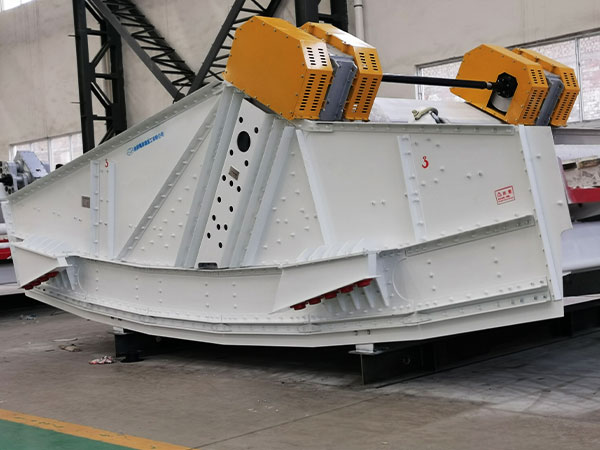
Rolling Mill

1. Routine Inspection and Cleaning: Catch Problems Early

Daily inspections are the first line of defense against machine failures. Operators should check for:

Visible wear on rollers, bearings, and gear surfaces

Oil or lubricant leaks

Unusual noises or vibrations during operation

Signs of corrosion or contamination on mill surfaces

Regular cleaning prevents buildup of dust, metal particles, and residue, which can degrade the material quality and accelerate wear. For large-scale operations, maintaining a documented inspection checklist ensures no critical component is overlooked.

2. Lubrication Management: Reduce Friction, Prevent Overheating

Rolling mills operate under extreme friction and high temperatures, making lubrication crucial. Key practices include:

Using manufacturer-recommended lubricants for gears, bearings, and hydraulic systems

Scheduling lubrication at consistent intervals

Monitoring oil condition and replacing it before contamination affects performance

Proper lubrication reduces wear, prevents overheating, and ensures smooth, reliable operation. In practice, mills with disciplined lubrication programs often experience 20–30% fewer emergency repairs.

For more detailed information on rolling mill maintenance guidelines, please click to visit: https://www.gyssljx.com/a/news/rolling-mill-maintenance-guide.html

How to Extend the Service Life of Rolling Mill Rolls: Practical Strategies for Steel, Aluminum, and Metal Rolling Plants

Rolling mill rolls are not just machine parts—they are the heart of metal rolling operations. Their condition directly impacts production efficiency, product quality, and operational costs. Premature roll failure can lead to unplanned downtime, scrap material, and significant financial losses.

Whether you operate a steel rolling mill, aluminum rolling plant, or general metal processing facility, extending the service life of rolls is critical. This guide provides practical, step-by-step strategies backed by real-world experience, helping your plant maximize roll longevity while maintaining consistent product quality.

How to Extend the Service Life of Rolling Mill Rolls

Rolling Mill Rolls

1. Select the Right Roll Material for Your Application

The choice of roll material is the foundation of roll durability. Common materials include:

Forged steel rolls: Offer excellent toughness and crack resistance, ideal for high-force steel rolling operations.

Cast steel rolls: More cost-effective, with good wear resistance, suitable for moderate-speed operations.

Alloyed and heat-treated rolls: Designed for high temperatures, abrasive conditions, or specialized metals like stainless steel and copper alloys.

Example: In a high-speed aluminum rolling line, using forged alloyed rolls with enhanced toughness can prevent chipping and surface pitting caused by repeated thermal stress.

For more detailed information on how to extend the service life of rolling mill rolls, please click to visit: https://www.gyssljx.com/a/news/how-to-extend-the-service-life-of-rolling-mill-rolls.html

Comprehensive Guide to Rolling Mill Types and Their Production Processes

In the metal processing industry, rolling mills are the cornerstone of producing steel, aluminum, and specialty alloys. Understanding the different types of rolling mills and their respective production processes is essential for optimizing efficiency, product quality, and operational reliability. This guide provides a detailed overview of the main rolling mill types and how they function.

Rolling Mill Types and Production Processes

Rolling Mill

1. Two-High Rolling Mill (Reversing Mill)

Overview:

The two-high rolling mill is one of the simplest and most widely used rolling mills. It consists of two opposing rollers through which metal is passed, then reversed for subsequent passes.

Production Process:

Preheating: Metal slabs are heated to the required plasticity in a furnace.

Rolling Pass: The slab passes through the top and bottom rollers, reducing its thickness.

Reversal: The slab is pulled back for additional passes until the target thickness is achieved.

Cooling & Finishing: The rolled metal is cooled and cut to the required dimensions.

Applications:

Steel sheets, plates, and structural beams.

Ideal for small-batch or low-volume production.

For more detailed information on rolling mill types and their production processes, please click to visit: https://www.gyssljx.com/a/news/rolling-mill-types.html

How to Improve Rolling Mill Production Efficiency: Practical Strategies for Higher Output and Better Quality

In today’s highly competitive metal processing industry, the production efficiency of rolling mills directly impacts a company’s capacity, cost structure, and market competitiveness. Even with continuous upgrades to modern production lines, many factories still face problems such as unstable operation, limited output, and high energy consumption. To truly improve the production efficiency of rolling mills, it’s not enough to just pursue speed; synergistic optimization is needed across equipment, processes, personnel, and management.

How to Improve Rolling Mill Production Efficiency

Rolling Mill

This article will explore how to systematically improve the production efficiency of rolling mills from six key dimensions, helping companies achieve stable, high-quality output at a lower cost.

1. Strengthening Equipment Maintenance System: The Foundation for Stable Operation

Rolling mills have complex structures, with components such as rollers, bearings, and gears subjected to high temperatures, high pressures, and high-speed operation for extended periods. Even minor wear can directly affect the precision of finished products and production speed. Therefore, establishing a scientific and executable maintenance system is crucial.

Implementable optimization measures include:

Developing a detailed inspection system: Regularly inspecting the surface wear, cracks, and hardness changes of the rolls, and promptly repairing or replacing them.

For more detailed information on how to improve rolling mill production efficiency, please click to visit: https://www.gyssljx.com/a/news/how-to-improve-rolling-mill-production-efficiency.html

Industrial Oil Burner Maintenance: Tips to Improve Efficiency and Reduce Costs

Industrial oil burners are crucial for manufacturing plants, processing facilities, and large heating systems. They provide reliable heat and power, but without proper care, these burners can experience reduced efficiency, increased fuel consumption, and unexpected downtime. A structured maintenance program ensures your equipment operates safely, efficiently, and within environmental standards—while also lowering operational costs.

Industrial Oil Burner Maintenance

Industrial oil burners

Why Regular Maintenance of Industrial Oil Burners Is Crucial

Neglecting routine maintenance can have significant consequences for both operational efficiency and costs. Some of the most common issues include:

1. Reduced Efficiency

Over time, soot and residue accumulate on the nozzle, combustion chamber, and electrodes, impairing fuel atomization. This leads to incomplete combustion, lower heat output, and wasted energy.

2. Higher Fuel Expenses

An inefficient burner consumes more oil to achieve the same production output, directly increasing operational costs.

3. Risk of Mechanical Failures

Critical components like pumps, motors, igniters, and valves can wear prematurely without regular inspection, leading to unplanned downtime and expensive repairs.

4. Environmental Compliance Risks

Burners that are poorly maintained emit higher levels of smoke, carbon particles, and other pollutants. Facilities may face fines or violations if emissions exceed regulatory limits.

A structured maintenance program ensures your burners operate efficiently, safely, and in compliance with environmental standards, protecting both your budget and your facility.

Key Practices for Effective Industrial Oil Burner Maintenance

1. Routine Cleaning

Residue buildup on nozzles, electrodes, and combustion chambers reduces performance over time.

Frequency: Monthly for heavy-use systems, quarterly for moderate use.

Method: Use soft brushes and non-abrasive cleaning agents; avoid harsh chemicals that could damage components.

For more detailed information on industrial oil burner maintenance, please click to visit: https://www.sxburner.com/a/news/industrial-oil-burner-maintenance.html

How to Improve Industrial Burner Combustion Efficiency: A Practical Guide for Manufacturers

Industrial burners are the backbone of numerous manufacturing processes, from steel and chemical production to power generation and food processing. Their efficiency directly affects fuel costs, operational reliability, and compliance with environmental regulations. Improving combustion efficiency isn’t just about saving energy—it’s also about increasing safety, reducing maintenance, minimizing emissions, and prolonging equipment life. This guide provides actionable, industry-tested strategies to help companies optimize burner performance.

How to Improve Industrial Burner Combustion Efficiency

Industrial burners

1. Master the Fundamentals of Combustion

Efficient combustion occurs when fuel burns completely, producing maximum heat with minimal waste. Incomplete combustion leads to energy losses, soot buildup, and harmful emissions such as carbon monoxide (CO) and unburned hydrocarbons. Understanding the basics helps operators pinpoint inefficiencies:

Air-to-Fuel Ratio: Both excess and insufficient air can harm efficiency. Excess air cools the flame and wastes energy, while insufficient air produces CO and soot, reducing heat output.

Fuel Quality: Moisture, impurities, and calorific value affect flame stability. For example, high-moisture fuel may cause flame quenching, while contaminated fuels increase deposits and nozzle clogging.

Burner Design: The type and geometry of the burner dictate how air and fuel mix. Swirl burners, staged burners, or low-NOx burners are designed to improve mixing and heat transfer, increasing combustion efficiency.

Practical Tip: Document your burner’s baseline air-fuel ratios and fuel properties. Regularly compare actual flame behavior with design expectations to catch deviations early.

For more detailed information on how to improve the combustion efficiency of industrial burners, please click to visit: https://www.sxburner.com/a/news/how-to-improve-industrial-burner-combustion-efficiency.html

Difference Between Pressure Jet and Rotary Cup Oil Burners: A Comprehensive Guide for Industrial Applications

Oil burners are a cornerstone of many industrial and commercial heating systems, directly impacting efficiency, operational costs, and system longevity. Choosing the right burner type is not merely a technical decision—it affects fuel consumption, emissions, and maintenance schedules. Among the most commonly used burners are pressure jet oil burners and rotary cup oil burners. While both are designed to atomize fuel oil for combustion, they employ fundamentally different technologies, each with distinct advantages and limitations. Understanding these differences is essential for selecting the optimal burner for your specific application.

Difference Between Pressure Jet and Rotary Cup Oil Burners

Oil Burners

1. How Pressure Jet Oil Burners Work

Pressure jet burners, often called solid stream burners, rely on high-pressure pumps to force fuel oil through a precision nozzle. The oil emerges as a cone-shaped spray and is broken into fine droplets for combustion.

Key Features of Pressure Jet Burners:

High-pressure atomization: Typically operates at 100–300 psi, producing a consistent spray pattern and stable flame.

Simple construction: Fewer moving parts make these burners easier to maintain and repair.

Reliable performance: Well-suited for small to medium boilers, particularly when heating demands are steady.

Maintenance considerations: Nozzle cleaning is critical. Accumulated deposits can disrupt the spray pattern, affecting combustion efficiency.

Ideal Applications:

Pressure jet burners excel in systems with consistent heating needs and relatively uniform fuel quality. They are especially cost-effective for smaller industrial boilers, commercial heating systems, or older installations where simplicity and reliability outweigh high-efficiency demands.

For more detailed information on the difference between pressure jet and rotary cup oil burners, please click here:https://www.sxburner.com/a/news/difference-between-pressure-jet-and-rotary-cup-oil-burners.html

What Is the NOx Emission Standard for Industrial Oil Burners? A Complete Guide for Manufacturers and Plant Operators

In modern industrial production, energy efficiency, environmental protection requirements, and equipment safety are becoming crucial components of corporate competitiveness. Among these, NOx emission control for industrial oil burners is particularly critical. NOx (nitrogen oxides) is not only a major cause of smog and acid rain, but also a core indicator in the environmental regulatory systems of many countries. Therefore, understanding NOx emission standards and developing compliance strategies are essential issues that every company using industrial combustion equipment must prioritize.

What Are NOx Emissions and Why They Matter?

Industrial oil burners

Industrial oil burners are widely used in industrial boilers, heating furnaces, drying equipment, and various heat treatment processes. During combustion, nitrogen (N₂) and oxygen (O₂) in the air undergo a chemical reaction at high temperatures to form NO and NO₂, which are what we call NOx.

The main factors affecting NOx emissions include:

Burner structural design

Fuel type and impurity content

Combustion temperature and flame pattern

Air-fuel ratio

Overall thermal efficiency of the boiler or furnace

Excessive NOx emissions not only damage the atmospheric environment but also lead to fines, production restrictions, or even shutdowns for businesses during environmental reviews.

Global NOx Emission Standards for Industrial Oil Burners

Different countries and regions have established different NOx emission standards based on their local economic level, industrial structure, and environmental requirements. The following are reference values for major regions:

For more detailed information on nitrogen oxide emission standards for industrial oil burners, please click to visit: https://www.sxburner.com/a/news/nox-emission-standards-for-industrial-fuel-oil-burners.html

Maximizing Energy Efficiency in Steel Commercial Buildings: Practical Strategies for Long-Term Savings

In today’s fast-paced commercial construction market, energy efficiency has evolved beyond environmental responsibility—it is now a crucial business strategy. Steel commercial buildings, celebrated for their strength, flexibility, and long lifespan, present unique opportunities to implement energy-saving solutions that can lower operating costs, improve tenant comfort, and enhance sustainability credentials. This guide explores the most practical and effective strategies for improving energy efficiency in steel commercial structures.

How to Improve the Energy Efficiency of Steel Structure Commercial Buildings

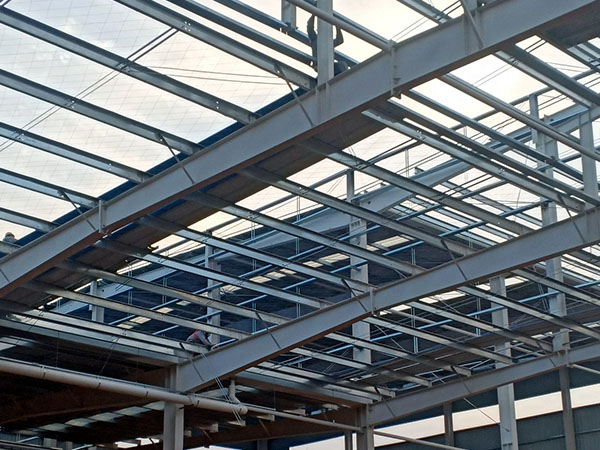
Steel Structure Commercial Buildings

1. High-Performance Insulation

Insulation remains one of the most straightforward yet impactful measures to improve energy efficiency. Steel buildings, with their large open interiors and minimal thermal mass, are prone to significant heat gain and loss. Selecting high-performance insulation—such as spray foam, rigid foam panels, or insulated metal panels—can deliver:

Reduced thermal bridging caused by steel framing

Stable interior temperatures across all seasons

Lower heating and cooling costs, translating into measurable savings

Investing in premium insulation is not just an upfront expense; it is a long-term strategy that improves comfort, energy performance, and the building’s overall value. For commercial properties, the ROI can be substantial over time.

2. Reflective Roof Coatings and Cool Roofs

Steel roofs absorb and retain heat, which increases cooling loads in warmer climates. Applying reflective roof coatings or installing a “cool roof” can significantly mitigate this problem. Benefits include:

For more detailed information on strategies to improve the energy efficiency of steel-structured commercial buildings, please click here: https://www.hcggsteel.com/a/news/energy-efficiency-options-for-steel-commercial-buildings.html

How Much Does It Really Cost to Build a Steel Structure Office Building Per Square Foot?

When planning a new office building, one of the first questions every business owner or developer asks is: “How much will it cost per square foot?” The answer is more complex than a single number. Costs depend on building size, design complexity, materials, labor, and site conditions. Steel structure construction is increasingly chosen for office buildings because it offers unmatched strength, flexibility, and durability. But to make informed decisions, you need to understand all the factors that drive cost.

Why Steel Structure Construction Is the Smart Choice for Offices

Steel structure construction

Steel structure buildings are preferred in modern office construction for several reasons:

Durability: Steel structures resist pests, mold, fire, and water damage. Unlike wood or concrete, steel doesn’t warp or crack over time, which reduces maintenance costs and extends the building’s lifespan.

Design Flexibility: Steel allows for open floor plans, large windows, and multi-story layouts. It’s ideal for creating collaborative office spaces, adaptable meeting areas, and future expansion.

Speed of Construction: Prefabricated steel components are manufactured off-site and quickly assembled on-site. This can reduce construction time by weeks or months, allowing offices to open sooner and saving labor costs.

Sustainability: Steel is 100% recyclable and can be reused in future projects, making it an environmentally responsible choice for businesses committed to green building practices.

While these benefits make steel an attractive option, they also impact the cost per square foot.

Factors That Determine the Cost Per Square Foot

The cost to build a steel frame office building typically ranges between $120 and $250 per square foot in the U.S., but actual costs can vary significantly based on the following:

1. Building Size and Design Complexity

For more information on the actual cost per square foot of steel-framed office buildings, please click here: https://www.hcggsteel.com/a/news/cost-per-square-foot-for-steel-structure-office-building.html