Factors Affecting the Price of Heavy-Duty Steel Structure Buildings: A Practical Guide for Buyers and Project Owners

Heavy-duty steel structure buildings have become the backbone of modern industrial construction. Manufacturers, logistics operators, and infrastructure developers rely on these buildings for their strength, durability, and flexibility. However, many buyers quickly discover that pricing varies widely from one project to another. A warehouse with a similar footprint may cost significantly more than another, even when both appear comparable on the surface.

Factors Affecting the Price of Heavy-Duty Steel Structure Buildings
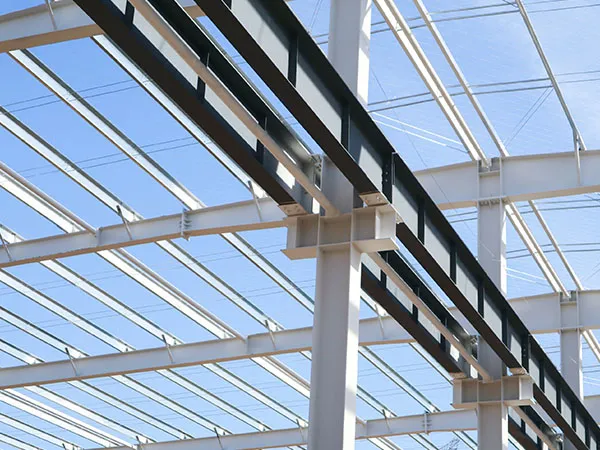
Heavy-Duty Steel Structure Buildings

This article explains the real factors that influence the price of heavy-duty steel structure buildings. It aims to help decision-makers understand cost drivers, avoid hidden expenses, and make smarter investment choices while meeting performance and safety requirements.

1. Steel Material Cost and Market Fluctuations

Steel accounts for the largest portion of the total building cost. The grade, thickness, and type of steel directly influence pricing. High-strength structural steel typically costs more than standard carbon steel, but it can reduce overall material consumption by improving load-bearing capacity.

In addition, global steel prices are highly sensitive to raw material supply, energy costs, and geopolitical factors. When iron ore prices or energy tariffs increase, the cost of fabricated steel components rises accordingly. Buyers who monitor market cycles or lock in contracts at the right time can significantly reduce procurement costs.

2. Building Design Complexity

Design complexity plays a crucial role in determining the final price. A simple rectangular warehouse with standard spans will always be more economical than a structure with multiple levels, irregular geometry, or specialized load requirements.

For example, buildings that must support heavy cranes, large machinery, or dynamic loads require reinforced beams and columns. These enhancements increase both material usage and fabrication complexity. Similarly, customized architectural elements, such as curved roofs or large cantilever sections, demand advanced engineering and precision manufacturing, which adds to the cost.

A well-optimized design does not simply reduce steel usage; it balances structural safety, fabrication efficiency, and installation convenience.

3. Fabrication and Processing Requirements

The cost of fabrication depends on how the steel components are processed before delivery. Standard cutting, welding, and drilling are relatively cost-efficient. However, projects that require CNC precision cutting, robotic welding, or complex assembly processes will incur higher manufacturing expenses.

…

For more detailed information on the factors influencing the price of heavy steel structure buildings, please click to visit: https://www.meichensteel.com/a/procurement-guides/factors-affecting-the-price-of-heavy-duty-steel-structure-buildings.html
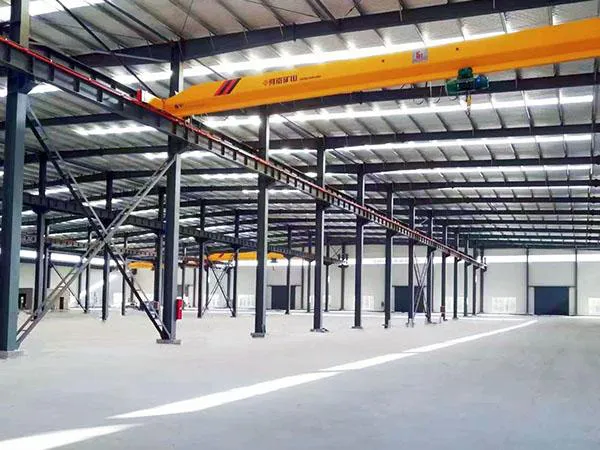
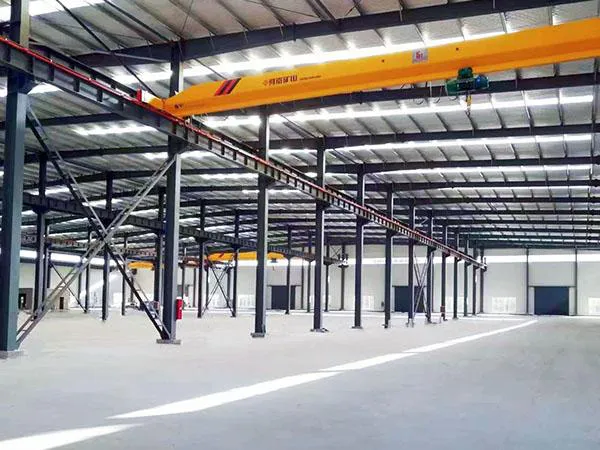
Multi-Story Steel Structure Warehouse for Logistics Hubs: Transforming Modern Supply Chains

In today’s rapidly evolving supply chain environment, logistics hubs face increasing pressure to optimize space utilization, reduce operational costs, and accelerate delivery efficiency. Traditional single-story warehouses often fall short when addressing these challenges, especially in urban areas where land availability is limited and expensive. This is where multi-story steel structure warehouses for logistics hubs have emerged as a game-changing solution, offering unmatched flexibility, durability, and scalability.

Steel structures have long been recognized for their strength, adaptability, and longevity, making them ideal for industrial construction. A multi-story warehouse built with steel offers several advantages over conventional concrete or brick-and-mortar facilities. Firstly, steel’s high strength-to-weight ratio allows for taller structures without compromising stability. This means logistics hubs can expand vertically, creating additional storage floors without the need for acquiring more land. For cities where real estate costs are escalating, this vertical expansion is not merely beneficial—it is essential.

Steel Structure Warehouse

One of the core benefits of multi-story steel structure warehouses is their rapid construction timeline. Unlike traditional buildings that require months or even years to complete, steel frameworks can be prefabricated offsite and assembled onsite with remarkable speed. This minimizes disruption to existing operations and allows logistics hubs to scale up capacity in line with market demand. The prefabrication process also ensures higher construction precision, reducing material waste and on-site labor costs, which is critical for logistics companies aiming to optimize their capital expenditure.

Safety and durability are paramount considerations in modern warehouse design. Steel structures are inherently resistant to fire, pests, and extreme weather conditions, which significantly lowers the risks of operational downtime due to structural damage. Moreover, modern design techniques allow engineers to incorporate earthquake-resistant features and reinforced flooring capable of supporting heavy-duty logistics equipment such as automated pallet shuttles and high-capacity forklifts. By adopting multi-story steel structure warehouses, logistics hubs not only secure their assets but also ensure a safer working environment for their staff.

Operational efficiency within these multi-story warehouses is another key advantage. Vertical storage solutions can be seamlessly integrated with advanced automation systems, including conveyor belts, robotic picking systems, and automated guided vehicles (AGVs). This integration enables faster inventory movement between floors, reduces manual labor, and optimizes the overall supply chain flow. Additionally, the open column-free interior spaces commonly associated with steel structures facilitate flexible layout planning, allowing logistics managers to reconfigure storage racks, loading bays, and sorting areas according to seasonal demand or product type.

…

For more information about multi-story steel structure warehouses supporting logistics hubs, please click to visit: https://www.meichensteel.com/a/procurement-guides/multi-story-steel-structure-warehouse-for-logistics-hubs.html

How to Reduce the Construction Budget for Steel Warehouses

Steel warehouses have become the preferred choice for industrial storage, logistics hubs, and manufacturing facilities because of their durability, scalability, and fast construction timelines. However, many project owners quickly realize that costs can escalate if planning and execution are not handled strategically. A well-managed steel warehouse project does not simply rely on choosing cheaper materials; it requires a comprehensive approach that balances design efficiency, procurement strategy, and construction management.

How to Reduce the Construction Budget for Steel Warehouses

Steel warehouses

This guide explains practical and proven methods to reduce the construction budget for steel warehouses while maintaining structural integrity, safety, and long-term value.

1. Start with a Cost-Efficient Design Strategy

Every cost-saving decision begins at the design stage. A poorly optimized design often leads to unnecessary material usage and complex fabrication processes.

A rational structural layout can significantly lower steel consumption. Designers should aim to standardize spans, column spacing, and bay sizes to reduce customization in fabrication. When engineers adopt modular thinking, they simplify both manufacturing and installation.

You should also avoid overdesign. Many projects include excessive safety margins that increase steel weight without delivering real value. A professional structural engineer should calculate loads precisely based on actual usage conditions, including wind, snow, and seismic requirements.

In addition, selecting the right roof slope and building height can influence material usage and energy costs. A slightly lower roof height may reduce both steel consumption and long-term heating or cooling expenses.

2. Choose the Right Steel Grade and Material Specification

Material selection directly affects the overall budget. High-strength steel may appear more expensive per ton, but it often reduces the total quantity required.

For example, using higher-grade steel in critical load-bearing components allows thinner sections without compromising safety. This approach reduces both raw material costs and transportation expenses.

At the same time, it is important to match materials to actual project requirements. Not every part of the warehouse needs premium-grade steel. Secondary structures, such as purlins and bracing systems, can often use more economical materials.

…

For more detailed information on how to reduce the construction budget of steel structure warehouses, please click to visit: https://www.meichensteel.com/a/procurement-guides/reduce-the-construction-budget-for-steel-warehouses.html

Increase Wind Tower Welding Speed with Heavy Duty Rotators

In the competitive landscape of wind energy manufacturing, every minute saved on the production floor translates directly to lower costs and faster time-to-market. Welding the massive steel sections that form wind turbine towers is one of the most time-consuming and quality-critical operations. Heavy duty rotators have emerged as a game-changing solution to accelerate this process while maintaining weld integrity. This article examines how the right rotator system can significantly increase wind tower welding speed, and why the BOTA series of heavy duty rotators has become a preferred choice among leading fabricators worldwide.

1. The Critical Role of Welding Speed in Wind Tower Manufacturing

Wind tower sections typically range from 4 to 6 meters in diameter and can weigh over 100 tons. The longitudinal and circumferential welds must meet stringent standards for fatigue resistance and structural soundness. Manual or semi-automatic welding processes often suffer from frequent stops for repositioning, inconsistent travel speeds, and operator fatigue. Slow welding speeds create bottlenecks in the production line, limit throughput, and increase overhead costs. Improving welding speed by even 20-30% can yield substantial annual capacity gains for tower manufacturers operating multiple shifts.

2. How Heavy Duty Rotators Transform the Welding Process

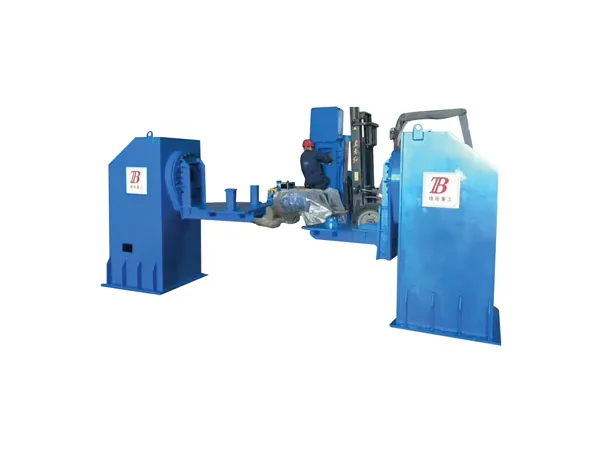
Heavy duty rotators, also known as turning rolls or pipe rotators, are motorized systems that rotate the workpiece around its longitudinal axis. This allows the welding torch to remain stationary or travel along a fixed path while the tower section turns at a controlled speed. This configuration delivers several speed advantages:

  • Continuous rotation eliminates repositioning downtime. Once the section is clamped, welding can proceed without stopping to rotate the assembly manually.
  • Optimal welding position maintained. The workpiece can be rotated to keep the weld pool in the ideal 1G or 2G position, maximizing deposition rates and reducing rework.
  • Higher travel speeds possible. Automated or semi-automated welding systems can operate at consistent, optimized travel speeds that are difficult to achieve manually.
  • Reduced preheat and interpass wait times. Uniform rotation distributes heat evenly, allowing faster interpass temperature control.

2.1 Synergy with Automated Welding Systems

Modern heavy duty rotators integrate seamlessly with robotic or mechanized welding heads. The rotator acts as a precision positioning axis, enabling multi-pass welding with minimal operator intervention. This combination can increase welding speed by 40-60% compared to manual rotation methods, based on field data from large-scale wind tower production.

3. Key Features to Look for in Heavy Duty Rotators

Not all rotators are created equal. To achieve the highest welding speed without compromising quality, engineers must evaluate these critical parameters:

  • Load capacity and diameter range. Ensure the rotator can handle the heaviest tower section with a safety factor. BOTA rotators offer capacities from 50 tons to over 300 tons.
  • Rotation speed control. A wide speed range with precise regulation (e.g., 0.1–2.0 m/min) supports different weld parameters. Variable frequency drives and closed-loop feedback are essential.
  • Roller configuration. Self-aligning rollers accommodate conical or irregular tower shapes, maintaining constant contact pressure for stable rotation.
  • Durability and maintenance. Heavy-duty gearboxes, sealed bearings, and high-torque motors reduce downtime. BOTA units feature hardened steel rollers and reinforced frames for years of trouble-free operation.
  • Integration interfaces. Supports for welding tractors, torches, flux recovery systems, and remote control panels streamline workflow.

4. Why BOTA Heavy Duty Rotators Deliver Superior Performance

…

For more detailed information on using heavy-duty rotators to increase wind tower welding speed, please click here: https://www.bota-weld.com/en/a/news/increase-wind-tower-welding-speed-with-heavy-duty-rotators.html

How to Maintain the Rail and Rack of a Welding Manipulator

In modern welding automation, the welding manipulator plays a crucial role in improving productivity, weld consistency, and operator safety. However, many users focus heavily on the welding head and control system while overlooking the mechanical transmission components—especially the rail and rack system. In reality, improper maintenance of these parts often leads to positioning errors, vibration, abnormal wear, and even unexpected downtime.

This guide explains how to maintain the rail and rack of a welding manipulator in a practical, experience-driven way. It aims to help equipment managers, maintenance engineers, and workshop supervisors extend equipment life, reduce maintenance costs, and ensure stable welding accuracy.

Why Rail and Rack Maintenance Matters

The rail and rack system is responsible for guiding and transmitting motion in a welding manipulator. The rail provides linear guidance, while the rack engages with the drive gear to convert rotational motion into linear movement.

If maintenance is neglected, the system may suffer from:

Decreased positioning accuracy

Increased backlash between gear and rack

Irregular movement or vibration

Accelerated wear of gears and bearings

Unexpected production interruptions

A well-maintained rail and rack system ensures smooth travel, precise torch positioning, and long-term operational reliability.

Common Causes of Wear and Failure

Understanding failure causes helps build an effective maintenance routine. In most industrial environments, the rail and rack system faces several challenges:

1. Dust and Welding Residue

Welding environments produce slag, metal dust, and fumes. These contaminants settle on rails and racks, forming abrasive layers that accelerate wear.

2. Insufficient or Improper Lubrication

Lubrication reduces friction between moving parts. However, too little lubrication leads to dry friction, while excessive or incorrect lubricant attracts dust and creates sticky buildup.

3. Misalignment

Improper installation or long-term operation can cause misalignment between the rack and drive gear. Misalignment leads to uneven load distribution and localized wear.

…

For more detailed information on how to maintain the guide rails and racks of welding robots, please click to visit: https://www.bota-weld.com/en/a/news/how-to-maintain-the-rail-and-rack-of-a-welding-manipulator.html

Comprehensive Installation Guide: How to Install a Large Scale Welding Column and Boom?

Large scale welding column and boom systems play a critical role in improving welding efficiency, precision, and operator safety in heavy fabrication industries. These machines are widely used in pressure vessel manufacturing, wind tower production, shipbuilding, and steel structure fabrication. However, the installation process directly affects their long-term performance and reliability. This guide provides a clear, practical, and experience-driven approach to installing a large welding column and boom system correctly.

Understanding the System Before Installation

Large scale welding column and boom systems

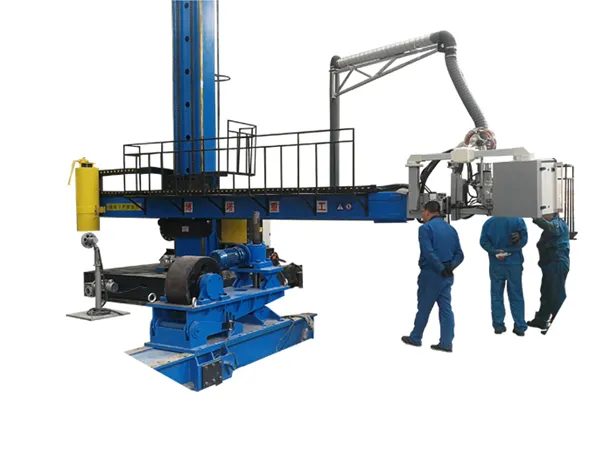
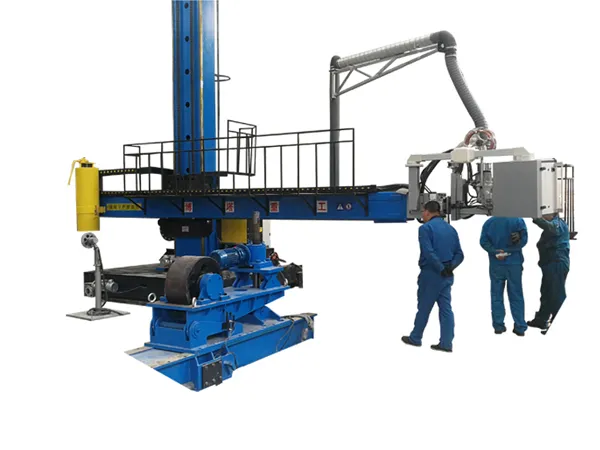
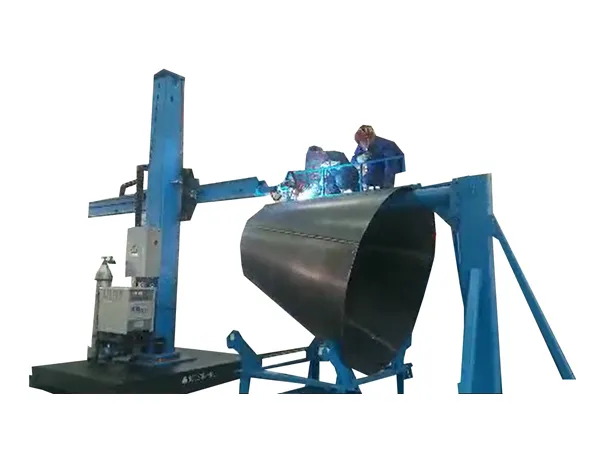
Before starting the installation, the technical team should fully understand the structure and configuration of the welding column and boom. A typical system consists of a vertical column, a horizontal boom, a base (fixed or rotatable), lifting mechanisms, travel carriage, and control system. Some configurations also include integration with welding rotators or manipulators.

The installation team should carefully review the technical drawings, foundation layout, and electrical schematics provided by the manufacturer. When the team understands load distribution, movement range, and installation tolerances, it can significantly reduce alignment errors during assembly.

Preparing the Installation Site

A stable and properly prepared foundation is essential for safe operation. The concrete base must meet the load-bearing requirements specified by the manufacturer. The installation team should verify the following factors before unpacking the equipment:

The foundation has reached full curing strength

Anchor bolt positions match the equipment base plate

Surface flatness is within acceptable tolerance (typically ≤ 2 mm deviation)

Enough clearance exists for boom extension and rotation

If the installation site involves a rail-mounted traveling column and boom, the rail alignment must be checked using precision leveling instruments. Poor rail alignment often leads to vibration, abnormal wear, and reduced accuracy during welding.

Step-by-Step Installation Process of Large Scale Welding Column and Boom

Large scale welding column and boom systems

1. Base Positioning and Fixing

The installation begins with positioning the base onto the prepared foundation. The team should carefully align the base with anchor bolts and use a spirit level or laser leveling tool to ensure horizontal accuracy.

…

For more detailed information on comprehensive installation guidelines for large welded columns and booms, please click here: https://www.bota-weld.com/en/a/news/installation-guide-for-large-scale-welding-column-and-boom.html

How to Turn Wood Waste into High-Density Briquettes for Fuel

The accumulation of wood waste from sawmills, furniture manufacturing, and forestry operations presents both an environmental challenge and an untapped energy opportunity. Transforming this low-value residue into high-density briquettes for fuel offers a sustainable alternative to fossil fuels while reducing landfill burden. This article provides a detailed, professional overview of the conversion process, focusing on the mechanical and thermal principles that yield dense, energy-efficient fuel. ZYmining has extensive experience in designing briquetting systems that handle raw wood waste reliably.

Why Convert Wood Waste into High-Density Briquettes?

Wood waste in its raw form—sawdust, chips, shavings—has low bulk density, high moisture content, and inconsistent particle size, making it inefficient for direct combustion. Briquetting addresses these issues by compressing the material under high pressure, often combined with heat, to produce uniform, dense fuel logs or pellets. The resulting briquettes offer:

  • Higher energy density – up to 4–5 times that of loose wood waste.
  • Lower moisture content – typically below 10%, improving combustion efficiency.
  • Consistent burning characteristics – steady flame, reduced smoke, and minimal ash.
  • Easier handling and storage – standardized shapes stack efficiently, reducing transport costs.

For industries generating significant wood residue, briquetting turns a disposal cost into a revenue stream, especially when used as an alternative fuel for boilers, kilns, or heating systems. ZYmining has helped multiple facilities achieve payback periods under two years through optimized briquetting lines.

Core Steps in the Briquetting Process

While specific configurations vary by raw material quality and desired output, the conversion of wood waste into high-density briquettes follows three essential stages.

1. Pre-treatment: Size Reduction and Drying

Raw wood waste must first be reduced to a uniform particle size, typically 3–6 mm. A hammer mill or chipper achieves this. Simultaneously, moisture content must be lowered to 8–12% for optimal briquetting. Drying can be accomplished via rotary drum dryers, belt dryers, or even solar drying for small-scale operations. Overly wet material prevents proper binding inside the briquette press, leading to low density or crumbling output. Drying also improves calorific value by eliminating the energy loss from evaporating moisture during combustion.

2. Compaction: The Briquetting Press

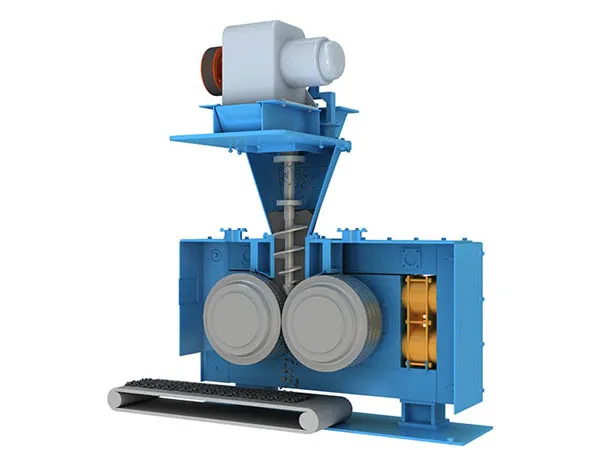
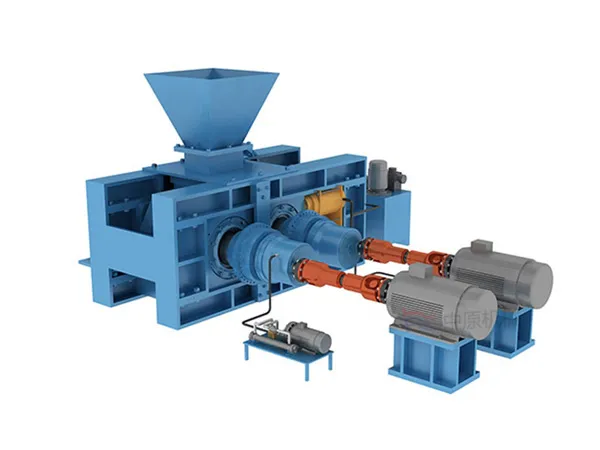
The heart of the process is the briquetting machine. Most industrial systems use a mechanical or hydraulic press that forces the dried, sized material through a tapered die under pressures of 100–300 MPa. The high pressure generates frictional heat that softens the lignin naturally present in wood, which acts as a binder. No additional adhesives are required, resulting in 100% natural fuel.

Two common press designs exist:

  • Piston press (punch-and-die): Produces cylindrical or hexagonal briquettes with high density (1.0–1.4 g/cm³). Suitable for low‑moisture materials. ZYmining offers robust piston presses with wear-resistant dies.
  • Screw press (extrusion): Produces hollow-centered briquettes with a charred surface, also high density. Ideal for materials needing extra binding. Often used for charcoal briquettes.

Each technology has different capital and operating costs. Choosing the correct press depends on production volume, moisture variability, and final product requirements.

…

For more detailed information on how to convert wood waste into high-density fuel briquettes, please click here: https://www.zymining.com/en/a/news/wood-waste-briquette.html

Small-Scale Briquetting Machine for Home or Farm Biomass Waste

Biomass waste—such as sawdust, crop residues, and animal bedding—accumulates quickly on farms and in households, often creating disposal challenges. A small-scale briquetting machine offers a practical, cost-effective way to convert these loose materials into dense, burnable briquettes. Whether you aim to reduce heating costs or manage waste sustainably, understanding the capabilities and selection criteria for such equipment is essential. This article provides a comprehensive overview of home and farm briquetting machines, focusing on their benefits, technical considerations, and the quality offered by industry players like ZYmining.

Understanding Small-Scale Briquetting Machines: A Solution for Biomass Waste

Small-scale briquetting machines are compact, mechanically simple devices designed to compress biomass waste into solid logs or pellets. Unlike large industrial models, these units are sized for personal or small-farm use, often requiring only a standard electrical outlet and minimal floor space. The process typically involves feeding dry, shredded biomass into a hopper, where a piston or screw press exerts high pressure—sometimes aided by heat—to bind the material into a cohesive briquette. The resulting fuel has a much higher energy density than raw biomass, burns longer, and produces less smoke.

Common Feedstocks for Home and Farm Briquetting

Practically any dry, fibrous biomass can be turned into briquettes. Suitable materials include:

  • Sawdust and wood shavings from carpentry or forestry
  • Rice husks, wheat straw, corn cobs, and other crop residues
  • Dry leaves, grass clippings, and garden trimmings
  • Animal manure (when fully dried and mixed with a binder)
  • Paper and cardboard waste

The key is to achieve a moisture content below 12-15% and a particle size smaller than the machine’s specified limit—usually about 5-10 mm for most small-scale models. ZYmining briquetting machines are engineered to handle a wide variety of feedstocks, making them versatile for both homesteaders and small farms.

Key Benefits of Using a Briquetting Machine for Home and Farm

Adopting a small-scale briquetting machine brings multiple advantages beyond simple waste reduction:

  • Cost Savings: Producing your own briquettes replaces expensive coal or firewood, especially if biomass waste is already available on site.
  • …

For more information on small briquetting machines suitable for household or farm biomass waste, please click here: https://www.zymining.com/en/a/news/briquetting-ma_bd15b.html

Compound Crusher vs. Hammer Crusher: Which Is Better for Limestone?

Choosing the right crushing equipment for limestone is not just a technical decision—it directly affects production efficiency, operating costs, and final product quality. Many buyers hesitate between a compound crusher and a hammer crusher because both machines are widely used in medium and fine crushing stages. However, they differ significantly in working principles, performance, and application scenarios.

This guide explains those differences in a practical, experience-driven way, helping you decide which solution fits your limestone processing line.

Understanding Limestone Crushing Requirements

Compound Crusher

Limestone is a relatively soft to medium-hard material with a Mohs hardness of around 3–4. It breaks easily, but it also produces fine powder during crushing. Because of this, the ideal crusher should:

Deliver consistent particle size

Minimize excessive fines

Maintain stable output over time

Keep wear and maintenance costs under control

The choice between a compound crusher and a hammer crusher depends on how you prioritize these factors.

What Is a Compound Crusher?

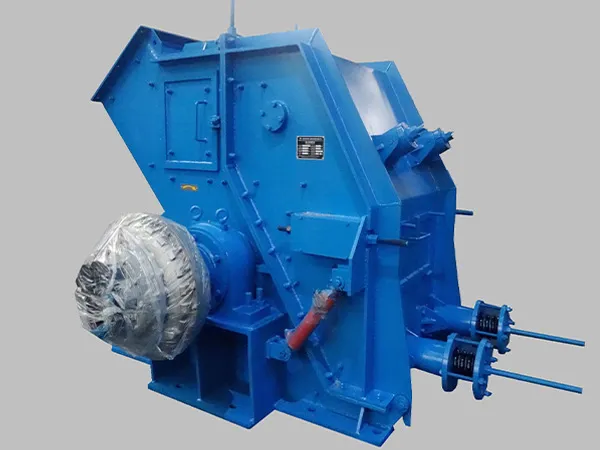
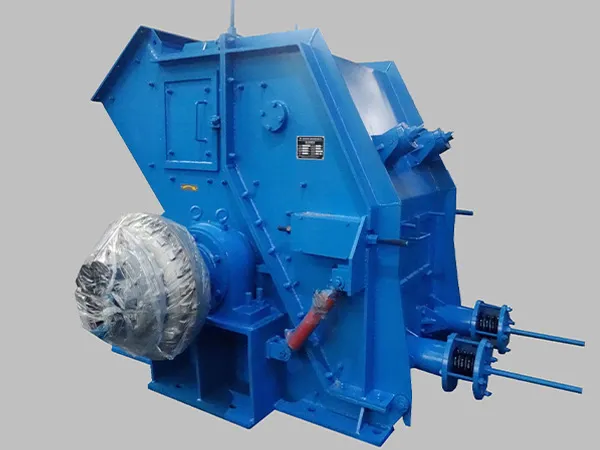
A compound crusher is a vertical shaft machine that combines impact crushing and grinding functions in one unit. It usually operates without a screen system, allowing material to pass through multiple crushing zones before discharge.

Key Features

Integrated crushing and shaping in one step

Adjustable discharge size through rotor speed or liner design

Lower sensitivity to moisture content

Simplified structure with fewer components

Advantages for Limestone

A compound crusher works particularly well when you need fine and uniform output. It reduces over-crushing because the material experiences multiple controlled impacts rather than aggressive single-stage strikes.

Operators often choose this machine in cement plants or sand-making lines where consistent granularity matters more than ultra-high throughput.

What Is a Hammer Crusher?

A hammer crusher uses high-speed rotating hammers to strike and break material. It typically includes a grate or screen at the bottom to control discharge size.

…

For more detailed information on the differences between compound crushers and hammer crushers, please click to visit: https://www.zymining.com/en/a/news/difference-between-compound-crusher-and-hammer-crusher.html

Adjusting the Discharge Size of a Compound Crusher: A Practical Guide for Stable Output and Higher Efficiency

In modern aggregate production lines and mineral processing plants, a compound crusher often plays a critical role in achieving fine and medium crushing in a single stage. Operators and plant managers usually focus on capacity and wear parts, but discharge size control is just as important. If the discharge size is not properly adjusted, it can directly affect downstream processes, product quality, and overall plant efficiency.

This guide explains how to adjust the discharge size of a compound crusher in a practical, experience-based way. It also covers common challenges, real-world solutions, and optimization tips that help improve consistency, reduce downtime, and align with long-term operational goals.

Why Discharge Size Matters in a Compound Crusher

Compound Crusher

A compound crusher combines features of impact crushing and hammer crushing, which makes it highly efficient for brittle materials such as limestone, clinker, and coal gangue. However, this hybrid crushing principle also means that the final product size depends on multiple interacting factors.

When discharge size is too large, downstream equipment such as ball mills or vibrating screens must work harder, increasing energy consumption and wear. When discharge size is too small, over-crushing occurs, leading to excessive fines, material waste, and reduced profitability.

A well-adjusted discharge size ensures:

Stable product gradation

Lower energy consumption

Reduced wear on liners and hammers

Better compatibility with downstream equipment

Higher overall plant efficiency

Key Factors That Affect Discharge Size

Before making adjustments, it is important to understand what actually controls the output size in a compound crusher. Many operators attempt random adjustments without identifying the root cause, which often leads to unstable results.

1. Gap Between Crushing Components

The distance between the hammer head (or rotor) and the impact plate directly influences the final particle size. A smaller gap produces finer material, while a larger gap allows coarser particles to pass.

2. Rotor Speed

Rotor speed determines the impact force applied to the material. Higher speed increases crushing intensity and reduces particle size, but it also accelerates wear.

…

For more detailed information on adjusting the discharge size of a compound crusher, please click here: https://www.zymining.com/en/a/news/adjusting-the-discharge-size-of-a-compound-crusher.html