
Safe Operating Procedures for High-Temperature Laboratory Furnaces: A Practical Guide for Reliable and Compliant Operation
High-temperature laboratory furnaces are essential equipment in materials research, metallurgy, ceramics development, and advanced industrial testing. These systems are capable of reaching extreme temperatures that enable processes such as sintering, heat treatment, ash testing, and controlled atmosphere experiments. However, the same capabilities that make them indispensable also introduce significant operational risks if proper procedures are not strictly followed.
This article provides a comprehensive and practical guide to safe operating procedures for high-temperature laboratory furnaces. It is designed for laboratory technicians, research engineers, and quality control specialists who require not only operational efficiency but also compliance with international safety standards and long-term equipment reliability.
Understanding the Operational Risks of High-Temperature Furnaces
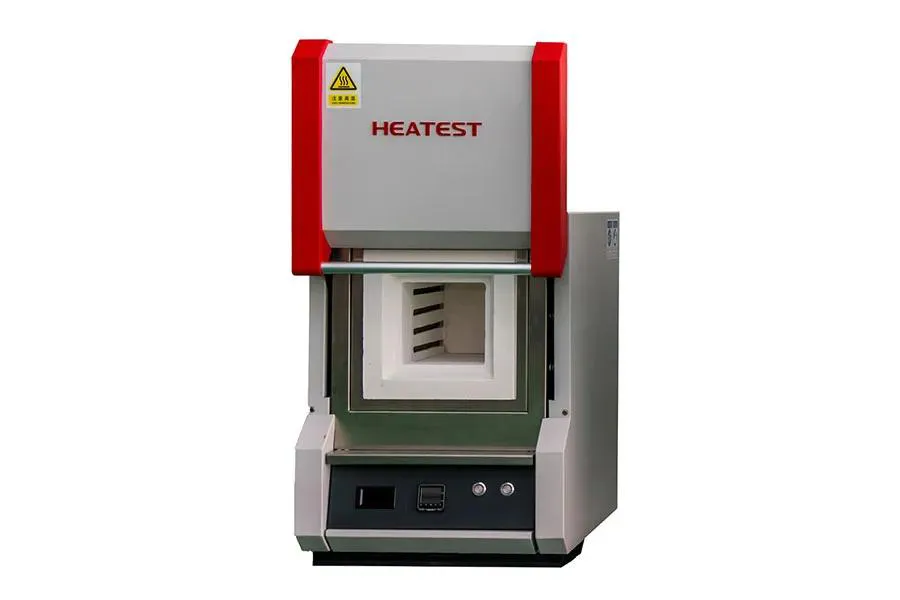
Any laboratory furnace operating above several hundred degrees Celsius presents inherent hazards that must be systematically managed. The primary risks include thermal burns, fire hazards, electrical exposure, and material failure due to improper loading or temperature ramping.
In addition, many laboratory furnaces operate under controlled atmospheres such as nitrogen, argon, or vacuum conditions. These environments introduce additional safety considerations, including gas leakage risks and pressure imbalances. Therefore, a structured operating procedure is not optional; it is a fundamental requirement for safe laboratory practice.
Pre-Operation Safety Inspection and Preparation
Before activating any high-temperature furnace, the operator must complete a detailed inspection of both the equipment and the working environment. This stage is critical because most furnace-related accidents originate from overlooked pre-operational issues.
The operator must first confirm that the furnace chamber is clean and free of residual materials from previous experiments. Any remaining contaminants can react unpredictably at high temperatures and compromise both safety and test results. The insulation lining should also be inspected for cracks or damage, as compromised insulation can lead to heat leakage and energy inefficiency.
The electrical system must be checked for stable connections, and the temperature control system should be verified for calibration accuracy. In many industrial laboratories, temperature deviation of even a few degrees can significantly affect experimental outcomes.
The operator must also ensure that appropriate personal protective equipment is available. Heat-resistant gloves, face shields, and laboratory coats form the basic protective layer when working with high-temperature systems. Furthermore, the ventilation system must be functioning properly to prevent the accumulation of hazardous gases or heat buildup in confined laboratory spaces.
Safe Loading Procedures and Material Handling
Correct loading of samples into a high-temperature furnace directly influences both safety and experimental accuracy. The operator must ensure that all materials are compatible with the furnace’s maximum temperature rating and atmospheric conditions.
Samples should be placed in appropriate crucibles or trays made of heat-resistant materials such as alumina, quartz, or graphite, depending on the application. The positioning of samples inside the chamber must allow uniform heat distribution, as uneven placement can lead to thermal stress and equipment strain.
It is also essential that the furnace is not overloaded. Overloading reduces airflow circulation and can cause uneven heating, which increases the risk of material failure or even furnace damage. In professional laboratory environments, loading procedures are often standardized to ensure repeatability and safety across different operators.
…
For more detailed information on the safe operating procedures for high-temperature laboratory furnaces, please click to visit: https://www.lyheatest.com/en/a/electric-furnace-knowledge/safe-operating-procedures-for-high-temperature-laboratory-furnaces.html


