
The Ultimate Guide to Selecting Thin-Section Bearings for Your Design
Selecting the correct thin-section bearing is a critical step in optimizing modern mechanical designs where space, weight, and performance constraints collide. Unlike standard bearings, thin-section bearings offer a unique balance of low cross‑section height and high load capacity, making them indispensable for robotics, aerospace, medical devices, and precision instrumentation. This guide provides a systematic framework to help engineers and designers evaluate key parameters, compare options, and confidently specify the right bearing for their application—with a focus on the reliable solutions offered by BIBO Bearing.
What Are Thin-Section Bearings?
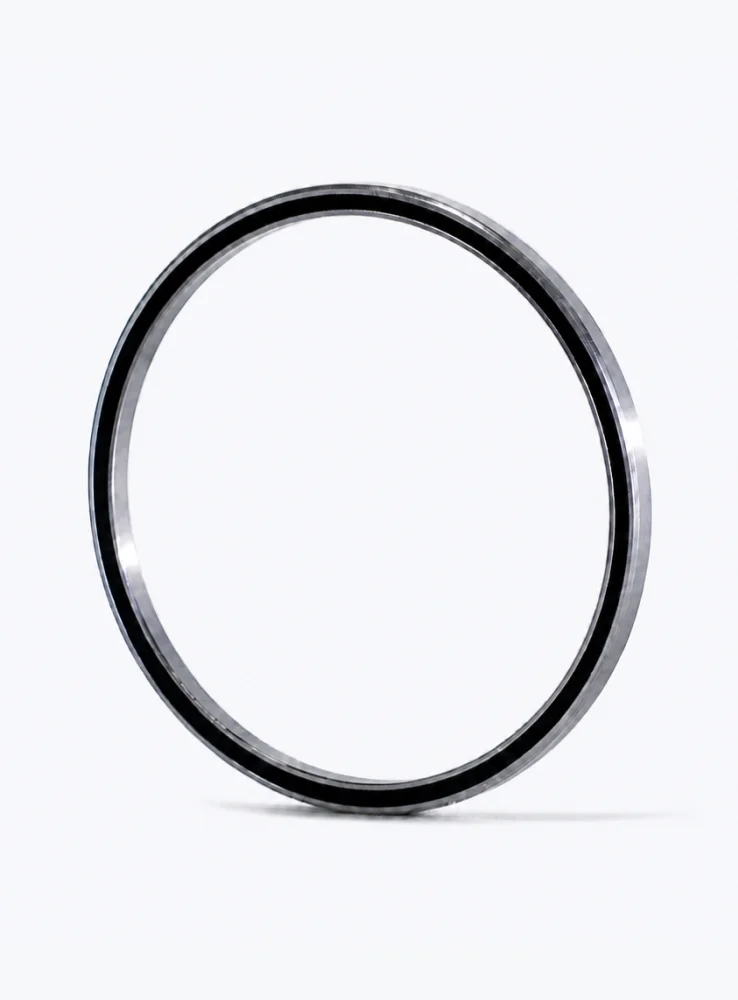
Thin-section bearings are a specialized class of rolling element bearings characterized by an unusually thin cross‑section relative to the bore diameter. Typical dimensions have a cross‑section height that is only a fraction of the bearing’s outer diameter, enabling significant space and weight savings. They come in three main types: deep groove, angular contact, and four‑point contact configurations. Each type serves different load and moment requirements.
Key Structural Characteristics
- Compact radial cross‑section – minimizes envelope size, allowing designers to reduce housing dimensions.
- Low mass and inertia – essential for high‑speed or servo‑controlled systems.
- High stiffness-to-weight ratio – maintains rigidity without adding unnecessary bulk.
Key Selection Criteria for Thin-Section Bearings
Choosing the right thin-section bearing requires evaluating several interdependent parameters. The following sub‑sections break down the most important factors.
1. Load Type and Capacity
Determine whether your application imposes radial, axial, or combined loads. For predominantly radial loads, deep groove or four‑point contact types are generally suitable. If moments or overturning forces are present, angular contact or paired bearings may be necessary. Always verify the dynamic and static load ratings (C and C0) against your load spectrum.
2. Speed and Lubrication
Thin-section bearings often operate at moderate to high speeds. The limiting speed depends on bearing type, cage material, and lubrication method. For grease‑lubricated designs, consider relubrication intervals; for oil‑lubricated systems, ensure adequate flow and cooling. BIBO Bearing offers optimized cage designs for reduced friction.
…
For more detailed information on the ultimate guide to selecting thin-section bearings for your design, please click here: https://www.bobibearing.com/a/bearing-knowledge/thin-section-bearing-guide.html


