
Adjusting the Discharge Size of a Compound Crusher: A Practical Guide for Stable Output and Higher Efficiency
In modern aggregate production lines and mineral processing plants, a compound crusher often plays a critical role in achieving fine and medium crushing in a single stage. Operators and plant managers usually focus on capacity and wear parts, but discharge size control is just as important. If the discharge size is not properly adjusted, it can directly affect downstream processes, product quality, and overall plant efficiency.
This guide explains how to adjust the discharge size of a compound crusher in a practical, experience-based way. It also covers common challenges, real-world solutions, and optimization tips that help improve consistency, reduce downtime, and align with long-term operational goals.
Why Discharge Size Matters in a Compound Crusher
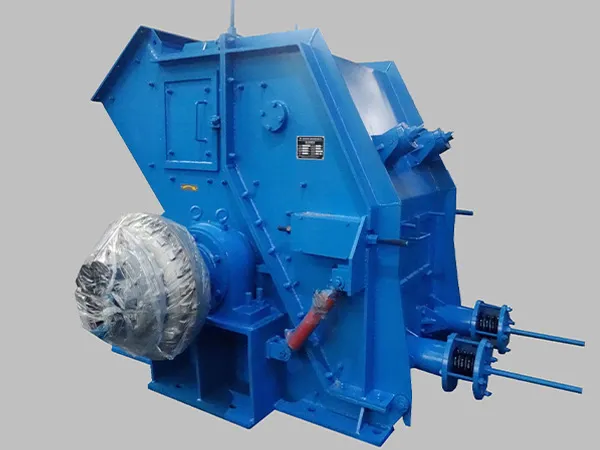
A compound crusher combines features of impact crushing and hammer crushing, which makes it highly efficient for brittle materials such as limestone, clinker, and coal gangue. However, this hybrid crushing principle also means that the final product size depends on multiple interacting factors.
When discharge size is too large, downstream equipment such as ball mills or vibrating screens must work harder, increasing energy consumption and wear. When discharge size is too small, over-crushing occurs, leading to excessive fines, material waste, and reduced profitability.
A well-adjusted discharge size ensures:
Stable product gradation
Lower energy consumption
Reduced wear on liners and hammers
Better compatibility with downstream equipment
Higher overall plant efficiency
Key Factors That Affect Discharge Size
Before making adjustments, it is important to understand what actually controls the output size in a compound crusher. Many operators attempt random adjustments without identifying the root cause, which often leads to unstable results.
1. Gap Between Crushing Components
The distance between the hammer head (or rotor) and the impact plate directly influences the final particle size. A smaller gap produces finer material, while a larger gap allows coarser particles to pass.
2. Rotor Speed
Rotor speed determines the impact force applied to the material. Higher speed increases crushing intensity and reduces particle size, but it also accelerates wear.
…
For more detailed information on adjusting the discharge size of a compound crusher, please click here: https://www.zymining.com/en/a/news/adjusting-the-discharge-size-of-a-compound-crusher.html


