
Compound Crusher vs. Hammer Crusher: Which Is Better for Limestone?
Choosing the right crushing equipment for limestone is not just a technical decision—it directly affects production efficiency, operating costs, and final product quality. Many buyers hesitate between a compound crusher and a hammer crusher because both machines are widely used in medium and fine crushing stages. However, they differ significantly in working principles, performance, and application scenarios.
This guide explains those differences in a practical, experience-driven way, helping you decide which solution fits your limestone processing line.
Understanding Limestone Crushing Requirements
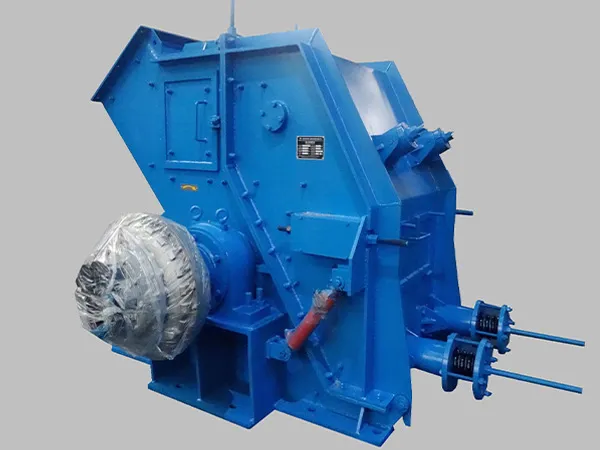
Limestone is a relatively soft to medium-hard material with a Mohs hardness of around 3–4. It breaks easily, but it also produces fine powder during crushing. Because of this, the ideal crusher should:
Deliver consistent particle size
Minimize excessive fines
Maintain stable output over time
Keep wear and maintenance costs under control
The choice between a compound crusher and a hammer crusher depends on how you prioritize these factors.
What Is a Compound Crusher?
A compound crusher is a vertical shaft machine that combines impact crushing and grinding functions in one unit. It usually operates without a screen system, allowing material to pass through multiple crushing zones before discharge.
Key Features
Integrated crushing and shaping in one step
Adjustable discharge size through rotor speed or liner design
Lower sensitivity to moisture content
Simplified structure with fewer components
Advantages for Limestone
A compound crusher works particularly well when you need fine and uniform output. It reduces over-crushing because the material experiences multiple controlled impacts rather than aggressive single-stage strikes.
Operators often choose this machine in cement plants or sand-making lines where consistent granularity matters more than ultra-high throughput.
What Is a Hammer Crusher?
A hammer crusher uses high-speed rotating hammers to strike and break material. It typically includes a grate or screen at the bottom to control discharge size.
…
For more detailed information on the differences between compound crushers and hammer crushers, please click to visit: https://www.zymining.com/en/a/news/difference-between-compound-crusher-and-hammer-crusher.html


