
High Temp Test Equipment Buying Guide: Budget vs Performance
Selecting the right high temperature test equipment is a critical decision that directly impacts product quality, compliance, and operational costs. Whether you are evaluating materials for aerospace applications or validating electronic components under thermal stress, the core dilemma often boils down to budget versus performance. A lower upfront investment may seem attractive, but it can lead to higher long-term expenses through poor accuracy, frequent breakdowns, or limited capability. On the other hand, top-tier systems offer precision and reliability but may strain your capital. This guide provides a structured framework to navigate this trade-off, helping you identify the optimal balance for your specific testing needs, with practical insights from the experienced team at HEATEST Instrument.
Understanding Your Testing Requirements: Temperature Range, Chamber Size, and Cycle Time
Before comparing price tags, you must define your operational parameters. The primary factors shaping both budget and performance are temperature range, chamber size, and required cycle time.
Temperature Range and Uniformity
A standard high-temperature chamber may cover 200℃ to 600℃, while advanced models exceed 1000℃. Broader ranges demand more robust heating elements and insulation, increasing cost. Equally important is temperature uniformity across the workspace. If your test requires +/-1℃ tolerance, a budget chamber with +/-5℃ may lead to invalid results, forcing costly retests. Always specify the maximum temperature and the allowable deviation for your application.
Chamber Size and Sample Throughput
Larger chambers require more energy and heavier construction, directly affecting price. However, purchasing an undersized chamber can bottleneck production. Measure your largest sample and consider future volume. HEATEST Instrument offers customizable sizes to match exact dimensions without paying for unused capacity.
Cycle Time and Ramp Rates
Rapid heating and cooling demands powerful systems. If your process requires repeated thermal cycles per day, investing in faster ramp rates can dramatically improve throughput. Budget models often have slower temperature change rates, while performance models can exceed 10℃/min. The payoff: more tests per shift.
Key Performance Indicators for High Temp Test Equipment
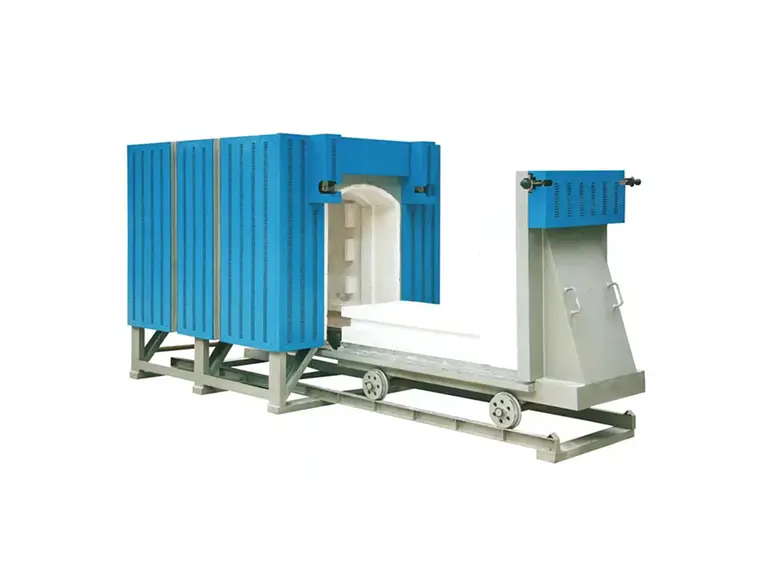
Beyond raw specifications, several performance indicators separate entry-level from professional-grade systems. Evaluate each against your quality requirements.
…
For more information on high-temperature testing equipment selection, including budget and performance details, please click here: https://www.lyheatest.com/tester-knowledge/temp-test-guide/


