
Rolling Mill Bearing Lubrication and Maintenance Checklist: Ensuring Optimal Performance and Longevity
In the demanding environment of metal processing, rolling mills play a critical role in shaping and refining metals to precise specifications. The efficiency and longevity of these machines depend heavily on the condition of their bearings, which are often subjected to high loads, extreme temperatures, and continuous operation. Implementing a structured rolling mill bearing lubrication and maintenance checklist is essential to avoid unexpected failures, minimize downtime, and maximize operational efficiency.
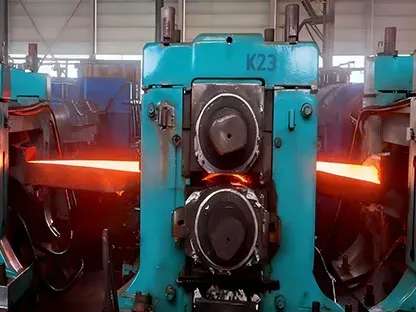
Understanding the Importance of Bearing Maintenance
Bearings are fundamental components in rolling mills. They support rotating shafts and rollers, reduce friction, and ensure smooth motion under substantial loads. Any failure in bearing performance can lead to costly production halts, excessive wear on adjacent machinery, and significant repair expenses. Proper lubrication is the first line of defense against these risks, as it reduces friction, dissipates heat, and protects against contamination and corrosion. Beyond lubrication, a systematic maintenance routine ensures bearings operate within their designed parameters, extending their service life and reducing maintenance costs.
Key Elements of a Rolling Mill Bearing Lubrication and Maintenance Checklist
Creating an effective checklist involves integrating both daily operational practices and long-term preventive maintenance strategies. The following components are essential:
1.Lubrication Type and Compatibility
Choosing the correct lubricant is crucial. Rolling mill bearings may require grease or oil depending on their design, speed, load, and environmental conditions. High-quality, industry-approved lubricants reduce wear and prevent overheating. When updating or replacing lubricants, always verify compatibility with existing materials and seals to avoid chemical reactions that could compromise bearing integrity.
2.Lubrication Frequency
Proper frequency of lubrication depends on bearing type and operating conditions. For example, bearings in high-speed or high-temperature applications may require more frequent lubrication than standard rolling mill bearings. The checklist should specify daily, weekly, and monthly lubrication tasks to maintain a consistent protective film over the bearing surfaces.
…
For more detailed information on the rolling mill bearing lubrication and maintenance checklist, please click to visit:https://www.gyssljx.com/a/news/rolling-mill-bearing-lubrication-and-maintenance-checklist.html


