
Welding Techniques for Different Aluminium Sheet Alloys: A Practical Guide
Aluminium is one of the most widely used metals in modern industry. Its combination of lightweight, corrosion resistance, and excellent thermal conductivity makes it indispensable in sectors ranging from automotive and aerospace to architecture and electronics. However, welding aluminium sheets is not as straightforward as welding steel—each alloy reacts differently to heat, and improper technique can easily lead to weak joints, warping, or porosity.
In this guide, we break down the most effective welding strategies for different aluminium sheet alloys, highlighting practical tips and common pitfalls so manufacturers can achieve strong, durable, and visually clean welds.
Understanding Aluminium Alloys
Aluminium alloys fall into two main categories: wrought alloys (rolled or extruded) and casting alloys (molded). Within these categories, different series have distinct characteristics:
Series 1xxx–3xxx
High corrosion resistance, excellent formability, but relatively low strength.
Common applications: marine structures, roofing panels, decorative facades.
Welding requires careful heat control to avoid warping and maintain the alloy’s aesthetic surface.
Series 4xxx–6xxx
Moderate to high strength, often containing silicon or magnesium.
Widely used in automotive panels, industrial equipment, and consumer electronics enclosures.
Slightly more heat-sensitive than 1xxx–3xxx; requires proper preheating and filler selection.
Series 7xxx
Very high strength, containing zinc and magnesium, often used in aerospace and defense.
Welding is challenging because these alloys are prone to hot cracking and distortion.
Specialized techniques like friction stir welding are usually required.
Key takeaway: Understanding the alloy type is the first step in choosing the correct welding method, parameters, and filler materials.
Welding Techniques for Aluminium Sheets
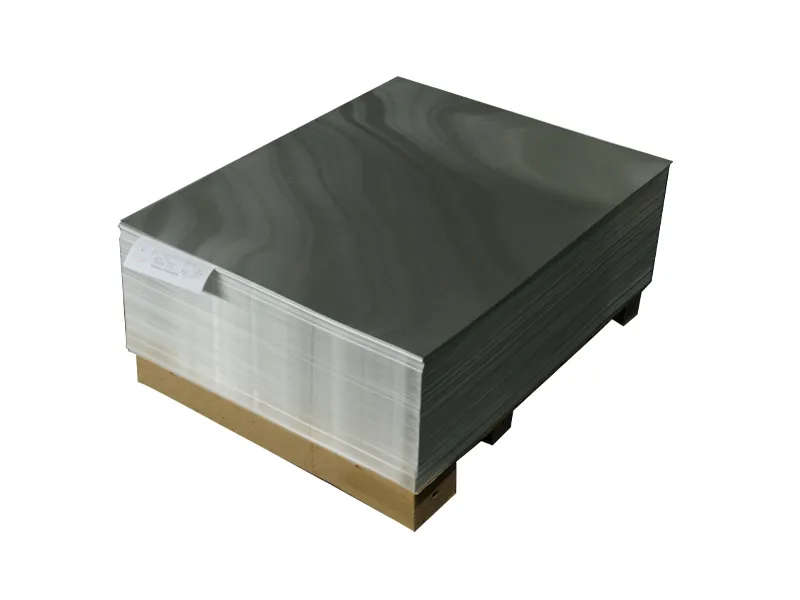
TIG Welding – Precision for Thin Aluminium Sheets
Tungsten Inert Gas (TIG) welding is ideal for thin sheets (0.5–3 mm), especially in series 1xxx–3xxx, where precision and appearance are critical.
…
For more detailed information on welding techniques for different aluminum alloy sheets, please click to visit: https://www.dw-al.com/a/news/welding-techniques-for-aluminum-alloy-sheets.html


