
Why Indonesian Jewelers Prefer These Graphite Crucibles
The Indonesian jewelry industry, a vibrant hub for gold, silver, and platinum craftsmanship, relies heavily on the quality of melting tools. Among these, graphite crucibles are indispensable for achieving precise temperature control and contamination-free melts. In recent years, a growing number of local jewelers have shifted their allegiance to a specific type of crucible. This article explores the technical and practical reasons why Indonesian jewelers increasingly choose graphite crucibles supplied by Cangzhou Carbon, a manufacturer known for its consistent quality and tailored solutions for precious metal applications.
1. Superior Purity and Contamination Resistance
In jewelry making, even trace impurities can compromise the color, luster, and malleability of precious metals. Indonesian jewelers, who often work with high-karat gold and fine silver, demand crucibles that do not introduce contaminants during melting.
Ultra-High Carbon Content
Cangzhou Carbon’s graphite crucibles are manufactured from premium needle coke and high-purity graphite powder, resulting in a carbon content exceeding 99.9%. This minimizes the presence of ash and metallic impurities that could leach into molten metal. Independent lab tests show that typical impurity levels (e.g., iron, silicon, aluminum) remain below 50 ppm, far lower than many generic crucibles available in Southeast Asia.
Anti-Oxidation Coating Technology
To further protect melt quality, these crucibles feature a specialized anti-oxidation coating. This barrier prevents oxygen from reacting with the graphite surface at high temperatures, reducing the formation of carbon dust that can contaminate precious metal baths. Jewelers report noticeably cleaner slag and fewer inclusions when using Cangzhou Carbon crucibles compared to uncoated alternatives.
2. Exceptional Thermal Performance and Energy Savings
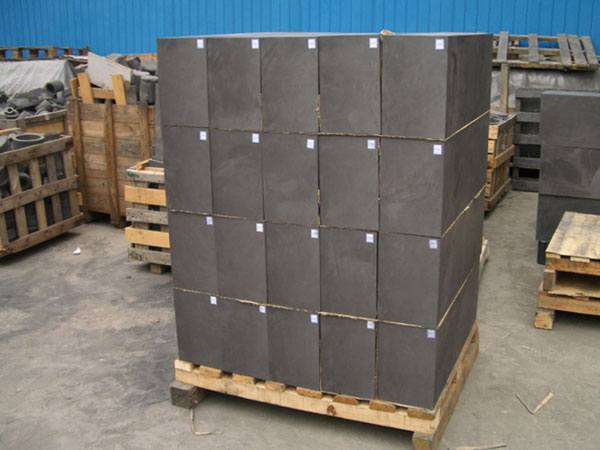
Indonesian workshops often operate under tight margins, making energy efficiency a critical factor. The thermal conductivity and heat retention of Cangzhou Carbon crucibles directly impact melting time and fuel costs.
- Rapid Heat Transfer: The dense, fine-grained graphite structure achieves thermal conductivity of 120–150 W/m·K, allowing the crucible to reach target temperature up to 30% faster than clay-bonded or silicon carbide crucibles.
- Uniform Temperature Distribution: Laboratory simulations confirm that temperature variance across the crucible wall stays within ±5°C at 1100°C. This ensures even melting of multiple metal types in a single batch, reducing the risk of hot spots that cause alloy segregation.
- Lower Fuel Consumption: Faster heating and better insulation translate directly to reduced LPG or induction power usage. A survey of Balinese gold workshops that switched to these crucibles reported a 15–20% decrease in monthly energy bills.
3. Extended Service Life in Harsh Melting Conditions
Jewelers often subject crucibles to repeated thermal cycling—heating, pouring, cooling—which accelerates wear in inferior products. Durability is a decisive factor for workshops that cannot afford frequent replacements.
…
For more detailed information on why Indonesian jewelers prefer graphite crucibles, please click to visit:https://www.czgraphite.com/a/news/graphite-crucibles-indonesia.html


