
How to Extend the Service Life of Rolling Mill Rolls: Practical Strategies for Steel, Aluminum, and Metal Rolling Plants
Rolling mill rolls are not just machine parts—they are the heart of metal rolling operations. Their condition directly impacts production efficiency, product quality, and operational costs. Premature roll failure can lead to unplanned downtime, scrap material, and significant financial losses.
Whether you operate a steel rolling mill, aluminum rolling plant, or general metal processing facility, extending the service life of rolls is critical. This guide provides practical, step-by-step strategies backed by real-world experience, helping your plant maximize roll longevity while maintaining consistent product quality.
How to Extend the Service Life of Rolling Mill Rolls
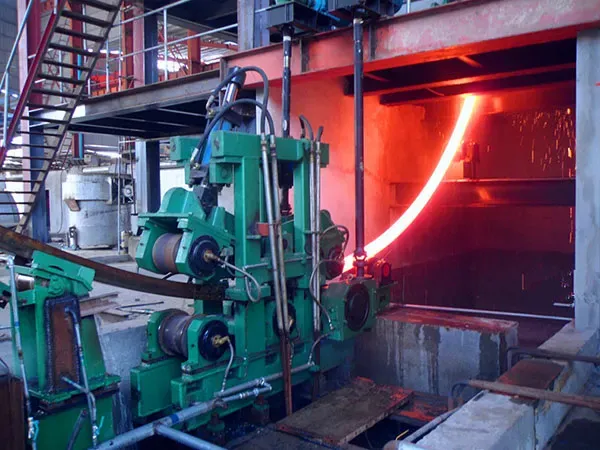
1. Select the Right Roll Material for Your Application
The choice of roll material is the foundation of roll durability. Common materials include:
Forged steel rolls: Offer excellent toughness and crack resistance, ideal for high-force steel rolling operations.
Cast steel rolls: More cost-effective, with good wear resistance, suitable for moderate-speed operations.
Alloyed and heat-treated rolls: Designed for high temperatures, abrasive conditions, or specialized metals like stainless steel and copper alloys.
Example: In a high-speed aluminum rolling line, using forged alloyed rolls with enhanced toughness can prevent chipping and surface pitting caused by repeated thermal stress.
…
For more detailed information on how to extend the service life of rolling mill rolls, please click to visit: https://www.gyssljx.com/a/news/how-to-extend-the-service-life-of-rolling-mill-rolls.html


