
Comprehensive Guide to Rolling Mill Types and Their Production Processes
In the metal processing industry, rolling mills are the cornerstone of producing steel, aluminum, and specialty alloys. Understanding the different types of rolling mills and their respective production processes is essential for optimizing efficiency, product quality, and operational reliability. This guide provides a detailed overview of the main rolling mill types and how they function.
Rolling Mill Types and Production Processes
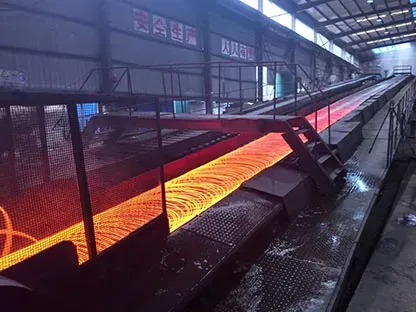
1. Two-High Rolling Mill (Reversing Mill)
Overview:
The two-high rolling mill is one of the simplest and most widely used rolling mills. It consists of two opposing rollers through which metal is passed, then reversed for subsequent passes.
Production Process:
Preheating: Metal slabs are heated to the required plasticity in a furnace.
Rolling Pass: The slab passes through the top and bottom rollers, reducing its thickness.
Reversal: The slab is pulled back for additional passes until the target thickness is achieved.
Cooling & Finishing: The rolled metal is cooled and cut to the required dimensions.
Applications:
Steel sheets, plates, and structural beams.
Ideal for small-batch or low-volume production.
…
For more detailed information on rolling mill types and their production processes, please click to visit: https://www.gyssljx.com/a/news/rolling-mill-types.html


