
Aluminium Sheet Grades and Specifications Comparison: How to Select the Most Suitable Material for Your Project
Selecting the right aluminium sheet is often a decisive factor in the success of industrial manufacturing, building construction, and commercial product development. Each grade has its own performance characteristics, and the wrong choice may lead to higher costs, reduced durability, or unnecessary maintenance. This article provides an in-depth comparison of commonly used aluminium sheet grades and specifications, helping engineers, architects, and procurement teams make clear, practical, and efficient material decisions.
Why Aluminium Sheet Grade Matters
Aluminium sheets vary widely in alloy composition, mechanical strength, corrosion resistance, and suitability for specific fabrication processes. These differences originate from alloying elements such as manganese (Mn), magnesium (Mg), silicon (Si), and zinc (Zn), which significantly change performance.
Understanding these distinctions allows project teams to:
Reduce overall project costs
Improve long-term durability
Match materials to mechanical loads
Select sheets compatible with forming, welding, or finishing processes
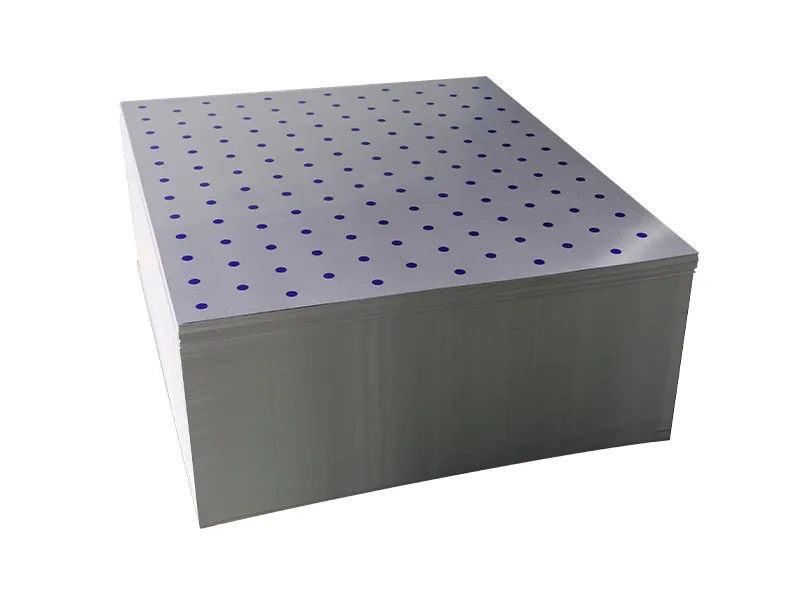
Overview of Major Aluminium Sheet Serie
1xxx Series – High Purity & Excellent Corrosion Resistance
Containing more than 99% aluminium, this series offers exceptional corrosion resistance and conductivity.
Typical uses: Chemical tanks, food processing equipment, heat exchangers
Highlights: Highest formability, but relatively low strength.
3xxx Series – Good Strength for Construction Applications
Alloyed with manganese, the 3xxx series achieves a balance between strength and corrosion resistance.
…
For more detailed information on aluminum sheet grades and specifications, please click to visit: https://www.dw-al.com/a/news/aluminium-sheet-grades-and-specifications-comparison.html


