
Safety Standards for Tunnel Secondary Lining Operations: Ensuring Construction Safety and Efficiency
Tunnel construction is one of the most challenging and high-risk sectors in civil engineering. Among all stages, tunnel secondary lining operations are particularly critical, as they provide the tunnel with long-term structural stability and durability. However, these operations involve heavy machinery, confined spaces, and multiple hazards, making strict safety standards essential—not only to comply with regulations but also to protect workers and maintain project timelines.
Safety Standards for Tunnel Secondary Lining Operations
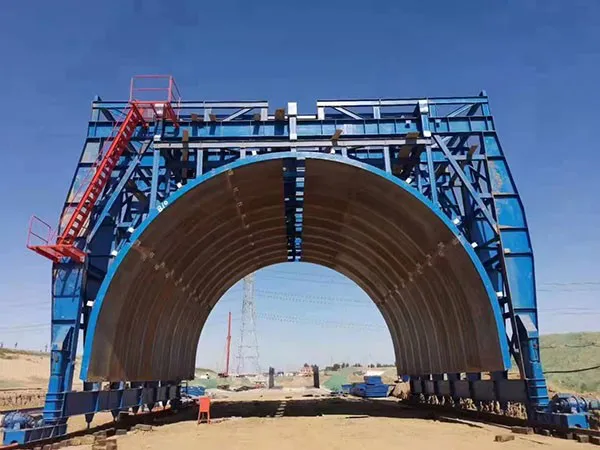
In this article, we examine essential safety standards and best practices for tunnel secondary lining, highlighting practical strategies to prevent accidents, ensure compliance, and improve operational efficiency.
1. Understanding Tunnel Secondary Lining
Secondary lining is the final structural layer applied inside a tunnel after the primary lining or initial support. Typically composed of reinforced concrete or shotcrete, and often combined with waterproofing membranes, its primary roles include:
Enhancing structural stability: Distributes loads and reinforces the tunnel shell.
Reducing water infiltration: Protects the tunnel from long-term moisture damage.
Extending tunnel lifespan: Prevents deterioration and reduces maintenance frequency.
Providing a smooth interior surface: Facilitates safe transport, ventilation, and utility installations.
Due to its structural significance, any mistakes during secondary lining can have serious consequences, including structural failure, machinery accidents, and severe worker injuries.
2. Key Safety Hazards in Secondary Lining Operations
Working inside tunnels presents a unique set of risks. Awareness of these hazards is the first step toward prevention:
Confined Spaces: Limited ventilation can cause oxygen deficiency and accumulation of harmful gases such as carbon monoxide or dust.
Heavy Machinery Risks: Concrete pumps, sprayers, and formwork equipment pose mechanical hazards if improperly handled.
Falling Objects: Materials, tools, or debris from overhead work can lead to serious injuries.
Slips, Trips, and Falls: Wet or uneven surfaces, temporary scaffolding, and debris increase the risk of accidents.
Fire and Electrical Hazards: Temporary electrical systems and flammable materials elevate the risk of fire or electric shock.
…
For more detailed information on safety standards for tunnel secondary lining operations, please click to visit: https://www.gf-bridge-tunnel.com/a/blog/safety-standards-for-tunnel-secondary-lining-operations.html


